

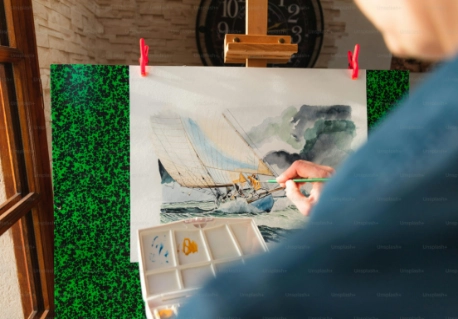
Picking the correct brush alters how your paint flows. It also changes how colors blend and rest on the page. A small round brush might draw a crisp line. Meanwhile, a broad flat brush coats a massive space in mere moments. Yet, the shape of the brush is just one piece of the puzzle. The paper’s texture, the kind of paint, your water mixture, and hand pressure all impact the finished piece.
New artists often feel overwhelmed by the sheer number of available paint brush types. For veteran painters, the struggle gets much more specific. They need to discover the exact pairing for a particular medium, style, or studio setting.
This manual breaks down the primary brush shapes. It shows how they function alongside various painting mediums. It also helps you pair them up with the ideal painting paper.
Why Brush Shape and Paper Choice Work Together
A brush never operates by itself. Its bristles drop paint onto a page that has its own unique texture and absorbency rate. Smooth paper promotes crisp lines. On the other hand, textured paper disrupts the stroke. This creates a highly expressive look. Think about how your brush and paper will react together before you start painting. This smart habit cuts down on ruined supplies. It also hands the artist much better control.
Round Brushes for Detail and Flexible Strokes
The round brush ranks among the most versatile paint brush types for both novices and seasoned pros. Its sharp tip handles tiny details beautifully. At the same time, its thicker belly holds plenty of paint for medium strokes.
A round brush works well for:
- Outlines and small details
- Leaves, branches, and facial features
- Lettering and controlled lines
- Watercolor washes
- Small acrylic paintings
A slender round or round brush shines when you require a crisp tip. Bigger round brushes generate smooth shapes and gentle color shifts. Hand pressure plays a massive role here. A light touch keeps the tip thin. Pressing harder forces the bristles outward, which creates a much thicker mark.
For watercolor projects, a soft watercolor brush that holds water well can drag pigment smoothly across your page. It leaves crisp borders on flat painting paper. If you switch to cold-pressed paper, that identical brush yields a broken, varied look. The paper’s rough surface naturally breaks up the stroke.
Flat Brushes for Coverage and Clean Edges
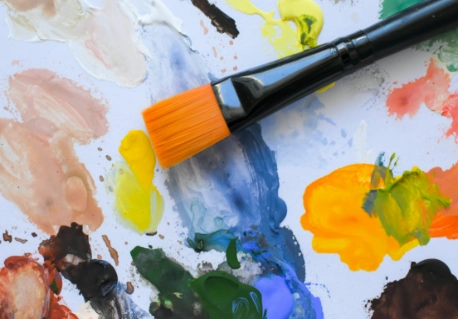
A flat brush features a perfectly straight edge alongside a wide body. It comes in handy when you must coat a massive section quickly. It is also great for forming a hard border or blocking out geometric shapes.
A flat brush is especially helpful for:
- Background washes
- Straight lines
- Broad color blocks
- Bold acrylic strokes
- Painting corners and edges
Flat brushes remain a top pick for acrylic painting. They easily push thick paint around without losing their rigid form. You will also find them incredibly handy for painting buildings, basic landscapes, and neat background patterns.
A thin flat brush draws lines much like a thick round brush does. A wider model, however, fills up a background in a flash. When you paint on sturdy paper, you can load this brush with heavy paint. The tough paper will not tear or buckle under the weight.
Filbert, Fan, and Liner Brushes for Special Effects
Certain brush shapes exist solely for unique effects rather than everyday tasks. Filbert brushes feature a soft, oval-shaped tip. They merge the precise control of a round brush with the wide coverage of a flat brush.
Filbert brushes are useful for:
- Soft petals
- Rounded forms
- Portrait shading
- Blending transitions
- Smooth landscape shapes
Fan brushes flare their bristles out into a wide fan profile. They easily paint grass, loose hair, soft clouds, and rough dry-brush effects. A liner brush, featuring a long and skinny tip, excels at drawing endless lines. It is perfect for decorative details, neat calligraphy, and delicate outlines.
These unique brush types prove their worth when your art demands repeating patterns or a specific surface feel. They also stop artists from trying to make one single brush do every possible job.
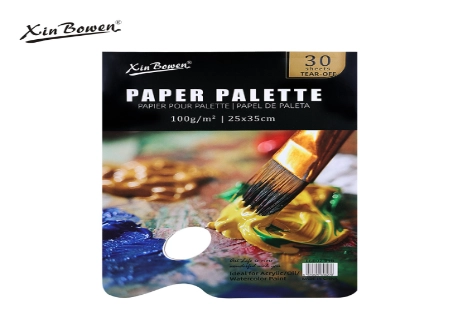
Match Paint Brush Types to Painting Mediums
One specific brush might act completely differently when paired with watercolor, acrylic, gouache, or liquid ink. Water-based paints generally demand soft bristles that hold liquid well. Heavy paints need stiff bristles that can shove and drag the thick color. Pairing the right brush with your chosen medium boosts your control. It also prevents you from scrubbing the paper too hard.
Watercolor and Gouache
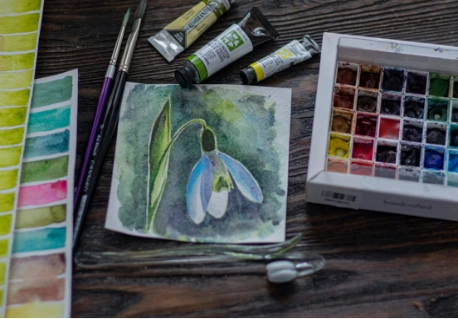
Watercolor relies heavily on fluid movement, clear transparency, and slow layering. A gentle round brush usually serves as the top pick. Even so, a well-rounded kit might also feature flat, mop, fan, and tiny detail brushes.
For watercolor:
- Use a soft round brush for details and small washes.
- Choose a larger round or mop brush for broad wet areas.
- Use a flat brush for skies, backgrounds, and clean edges.
- Select a liner brush for branches, grasses, and fine lines.
Gouache looks much more opaque than standard watercolor. It also features a noticeably thicker consistency. It certainly works fine with soft brushes. However, a slightly stiffer brush often delivers superior control when you paint solid, heavy shapes.
Xin Bowen provides excellent watercolor brush sets crafted from synthetic squirrel hair and durable nylon. These specific brushes excel at soaking up water, bending easily, and releasing color smoothly. This blend handles watercolor, gouache, acrylic, ink drawing, and mixed media projects beautifully. You can browse the complete Xin Bowen product range to review different brush shapes alongside full painting kits.
Acrylic Painting
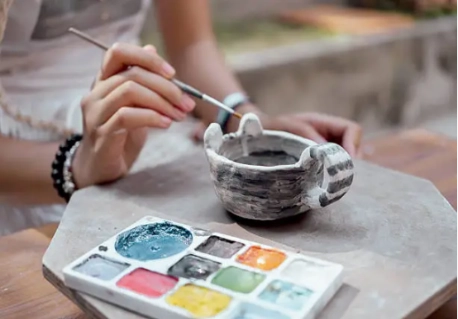
Acrylic paint sets very fast. You can apply it to paper, raw canvas, wood panels, and many other bases. Since it feels heavier than watercolor, acrylic painting normally works best with stiff nylon bristles.
Useful acrylic brush choices include:
- Flat brushes for bold coverage
- Round brushes for details
- Filbert brushes for blending
- Fan brushes for texture
- Liner brushes for small decorative work
When acrylic starts drying deep inside the bristles, the brush easily loses its proper form. Artists must wash their brushes immediately after finishing a session. Never leave them sitting in a water cup for hours.
Acrylic paint also stresses your paper a lot more. Flimsy sheets might roll up, bleed color through the back, or warp badly. Thick acrylic paper or sturdy mixed media paper usually serves as a much better choice for heavy layering.
Oil, Ink, and Mixed Media
Oil paint requires tough brushes that withstand firm pressure and heavy pigment. Stiff bristles do a great job of dragging paint across a rough canvas. Meanwhile, softer brushes assist in mixing colors and forming seamless gradients.
Ink demands a brush with a highly disciplined tip. A lengthy liner brush draws beautiful, expressive strokes. However, it takes a very steady hand to use it well. For mixed media artwork, nylon brushes prove highly practical. They handle multiple water-based supplies easily and wash out in seconds.
Whenever you mix different supplies, test your brush and paper combination before beginning your actual artwork. This quick step shows you if the page drinks up water too fast. It also reveals if the bristles drop paint smoothly and if the paper survives heavy layers.
Choose Painting Paper That Supports Your Brush
The weight and feel of your paper impact every single brush stroke. Thin paper works fine for quick, dry sketches. Wet supplies, however, demand a much stronger base. Picking the wrong paper causes annoying buckling, ugly color bleeding, harsh edges, or painfully slow drying times. Selecting the right paper first makes the entire painting journey much smoother.
Paper Weight and Surface Texture
For quick sketches and dry tools, thin paper remains practical and cheap. For watercolor and heavy acrylic, thick sheets provide much better stability.
Consider these common choices:
- 160gsm paper for sketching and light practice
- 200gsm watercolor paper for everyday washes
- 300gsm mixed cotton paper for heavier water use
- Acrylic paper for fast-drying, opaque paint
- Mixed media paper for combining wet and dry materials
The paper’s surface finish matters just as much. Flat, smooth paper fits perfectly with tight details and sharp borders. Rough paper naturally creates skipped strokes and organic textures. Painters who love wild, expressive brush techniques usually prefer a surface that has plenty of tooth.
Our painting paper medium collection features options for sketching, watercolor washes, acrylic work, and mixed media projects. Various weights and finishes let artists, art schools, shop owners, and wholesale distributors pick the exact materials their specific buyers need.
Black and Beige Paper for High-Contrast Artwork
Black and beige papers now stand out as top picks for creators seeking a unique look beyond basic white paper. Bright colors pop aggressively on dark black paper. Meanwhile, beige paper offers a cozy, warm background for figure drawing, fashion concepts, and retro-style art.
When painting on black paper:
- Use opaque acrylic or gouache for strong coverage.
- Choose lighter pigments for contrast.
- Test transparent watercolor before committing to a final piece.
- Use a firm flat brush for solid areas.
- Add a liner brush for bright outlines and small accents.
Beige paper feels much more forgiving when you draw realistic subjects or use calm, muted colors. It also cuts down on the amount of background paint you need to apply.
Mixed Media Paper for Flexible Projects
Mixed media paper works wonders for creators who refuse to stick to just one single supply. It easily holds graphite pencil, liquid ink, watercolor, heavy acrylic, colored pencils, and simple collage elements.
Still, mixed media paper does not act exactly like pure watercolor paper. It manages multiple supplies nicely. Yet, soaking wet washes might still trigger slight warping. If your current piece uses tons of water, grab a thicker sheet. You can also stretch the paper tightly before you begin painting.
Build a Practical Brush Set Around Your Workflow
You rarely need a massive pile of brushes. The ideal brush set simply fits the exact type of art you make most often. Newcomers require flexible, multi-use shapes. Expert painters might seek out highly specific tools for rough textures, tiny details, or huge backgrounds. Shop owners and art-supply purchasers must also think about size varieties, secure packaging, and the diverse demands of different shopper groups.
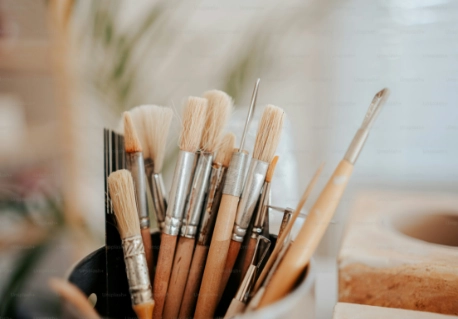
A practical starter set may include:
- One small round brush for details
- One medium round brush for general painting
- One large round or mop brush for washes
- One flat brush for backgrounds
- One liner brush for fine lines
- One fan or filbert brush for texture and blending
Here at Xin Bowen, we produce top-tier paint brush types for watercolor, acrylic, gouache, rich oil, ink, and mixed media uses. Our brush lineups feature round, flat, fan, filbert, and liner profiles. We offer great options like durable nylon, synthetic squirrel hair, smooth wooden handles, and sturdy copper ferrules.
We proudly offer a one-stop service for clients who require help with product picking, box design, sample creation, and custom art-supply manufacturing. Our dedicated staff easily matches brush shapes, paper styles, and boxed painting kits to fit distinct market demands.
For bulk distributors and retail shops, a smart product lineup should feature single brushes, varied multi-piece sets, full painting kits, and multiple paper weights. This broad variety makes it quite simple to please beginners, art students, schools, weekend hobbyists, and working professionals.
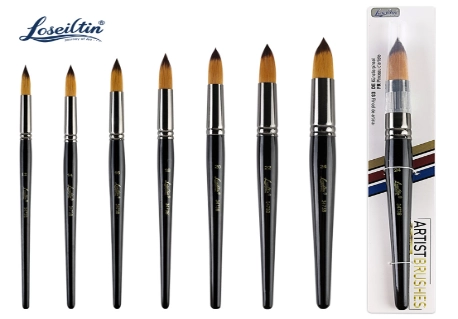
Care for Brushes and Paper
Caring for your brushes takes very little effort. However, it directly impacts how well they paint. Always rinse your watercolor and gouache brushes using fresh water right after finishing. You must wash acrylic brushes completely before the thick paint hardens. Oil brushes demand a proper chemical cleaner. Never leave them resting heavily on the bottom of your wash jar.
Follow these basic habits:
- Remove excess paint before washing.
- Shape the bristles gently after cleaning.
- Store brushes horizontally or with the bristles facing upward.
- Do not leave brushes soaking for a long time.
- Keep paper flat and away from damp storage areas.
- Test new paper before using it for a large project.
Proper maintenance keeps the sharp point on a round brush intact. It preserves the straight edge of a flat brush. It also protects the gentle flexibility of a delicate liner brush.
Conclusion
Picking between various paint brush types gets much simpler once you look at the entire painting journey. Round brushes handle tiny details and flowing strokes perfectly. Flat brushes coat huge zones and leave crisp borders. Filbert, fan, and liner brushes deliver unique textures and highly specific marks. Selecting the proper painting paper remains just as vital. The paper’s weight, rough texture, and moisture absorbency dictate exactly how your brush behaves.
For watercolor work, pick brushes that hold plenty of liquid. Pair them with paper built to survive heavy, wet layers. For acrylic and mixed media art, grab stiffer bristles and a much thicker page. A small, carefully chosen brush kit supports far more painting methods than a massive pile of random, poorly matched tools. When you combine the correct brush, paper, and paint, you will paint with high confidence and achieve beautiful, reliable results every single time.
FAQs
Q: What are the most useful paint brush types for beginners?
A: Begin your journey with round, flat, filbert, and liner brushes. These handle tight details, wide coverage, smooth blending, and thin lines easily.
Q: Is 200gsm painting paper suitable for watercolor?
A: Yes, 200gsm paper works great for quick, light washes. You should pick 300gsm paper if you plan to use lots of heavy water.
Q: How much acrylic flow medium should I test?
A: Start out with just 5 to 10 ml. Test it on a tiny scrap area. Then, adjust the mix based on how thick your paint feels.