
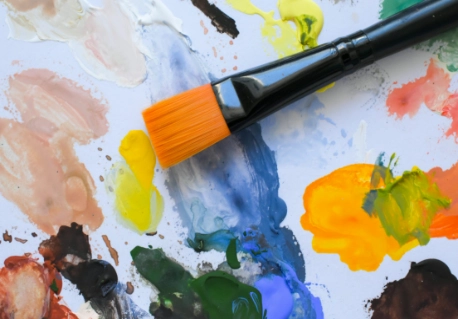
Synthetic painting is now a handy option for numerous artists, students, craft fans, and art class buyers. The motive is quite clear. People desire painting tools that are simple to handle. They also want items that wash quickly and perform reliably on various materials. Suppose a brush performs wonderfully on watercolor paper but struggles on canvas. That issue can easily delay the entire creative workflow. Furthermore, a paint set might appear complete. However, if it lacks the proper surface, it will surely cause annoyance.
Currently, numerous creators prefer painting at home. They join social art events, craft DIY gifts, and explore mixed media tasks. Because of this trend, synthetic brushes and complete art kit choices are highly valuable. Multi-surface painting methods are also more relevant today. At Xin Bowen, we recognize this demand perfectly within our product design. Our painting tools include acrylic paint, watercolor paint, and sketching supplies. We also offer mixed media, paper, brushes, palettes, and easels. You will find complete creative kits meant for daily practice, classroom environments, and gift buyers.
Why Synthetic Brushes Fit Modern Painting Needs
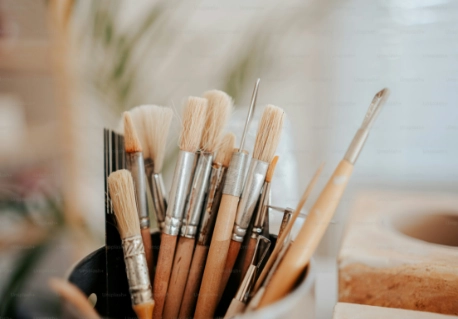
Synthetic brushes remain widely favored. They deliver consistent results across various painting styles. These tools retain their form well. They bounce back quickly after you apply pressure. Plus, they wash much faster than many traditional brush types. For novices, this leads to fewer errors. For instructors and wholesale buyers, it guarantees excellent repeated usage. Meanwhile, hobby artists discover that a single brush set can easily handle multiple projects.
Synthetic fibers are naturally ideal for water-based media. They avoid soaking up excess water into the hair structure. Therefore, the brush remains highly responsive. This trait proves beneficial when users switch between watercolor paint, acrylic paint, gouache, ink, and craft projects. Perhaps your goal involves effortless control and crisp lines. You might also want dependable results. In that case, synthetic brushes serve as an excellent starting point.
Key advantages include:
- Even paint release for neater strokes
- Solid shape memory following frequent usage
- Quicker washing after using acrylic paint or watercolor paint
- Improved consistency for classrooms and bulk orders
- Excellent value for novice and intermediate artists
- Highly animal-friendly material options
On the Xin Bowen artist painting tools set page, our inventory features compact 19-piece paint sets. We also provide professional drawing kits and extensive mixed media sets. These varied options allow users to pair their tools directly with their personal painting habits.
Matching Painting Tools to Different Material Types
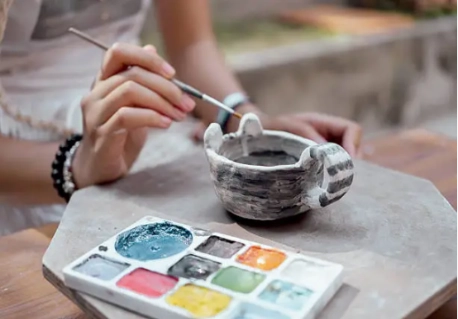
Before selecting an art kit, artists must consider the working surface. Paint acts quite differently on watercolor paper, acrylic paper, and canvas panels. The same applies to cardboard, wood, and sketch paper. A brush might produce a gentle wash on paper. However, it could require harder pressure on a canvas. Additionally, a quick-drying paint might adhere nicely to wood. Yet, it can feel terribly harsh on thin paper.
Paper for Watercolor Paint
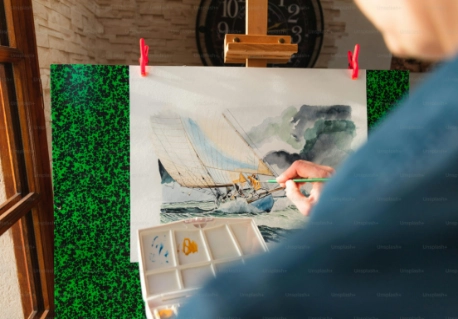
Watercolor paper requires proper absorbency. If the sheet is overly thin, it might warp or rip when you add water. A quality watercolor brush must hold sufficient water. At the same time, it needs to offer the user precise control. Synthetic brushes featuring soft tips prove incredibly useful here. They make washes, sharp edges, and layered colors much simpler to handle.
For watercolor paint, users should:
- Begin with pale washes before applying darker layers
- Utilize soft round brushes for fine details and fluid marks
- Allow the initial layer to dry completely before introducing bolder colors
- Refrain from rubbing the exact same spot excessively
- Maintain a fresh water cup close by to preserve color purity
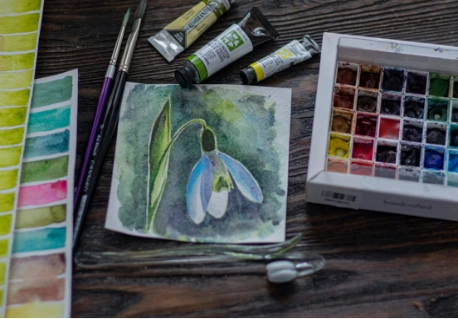
Xin Bowen watercolor paint sets contain crucial tools. These include paint tubes, brushes, a palette, a pencil, an eraser, a sharpener, and painting paper. This combination makes them highly practical for students and hobby artists. They can start their creative work immediately without hunting down every single item individually.
Canvas and Acrylic Paper for Acrylic Paint
Acrylic paint is notably thicker. It also dries much faster than watercolor paint. It performs beautifully on canvas, acrylic paper, wood, cardboard, and numerous craft surfaces. Synthetic brushes are highly beneficial for this medium. They easily manage intense colors, solid strokes, and rapid layering. Flat brushes efficiently coat broad areas. Meanwhile, round brushes assist greatly with sharp outlines and tiny details.
When painting with acrylic paint, the surface must be sturdy enough to prevent bending. Thick acrylic paper and solid canvas panels work far better than flimsy sheets. You must also wash the brush before the paint hardens inside the bristles. Dried acrylic will definitely stiffen the brush tip. Consequently, that makes future strokes noticeably rougher.
Acrylic users should focus on:
- Strong coverage for bold color blocks
- Short drying time for fast layers
- Firm synthetic brushes for controlled pressure
- Palette mixing before applying paint
- Proper brush washing right after use
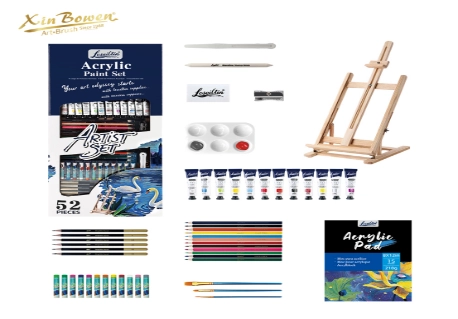
We created our 52PCS acrylic paint set for beginners, students, and craft enthusiasts. Mixed media fans will also enjoy it. This package brings together acrylic paint, color pencils, and oil pastels. You will also find sketch tools, brushes, a palette, and paper inside. An easel and a palette knife complete this single art kit.
Mixed Media Surfaces for Creative Projects
Mixed media stands out as a major trend in art today. Artists simply crave more variety in their work. A person might blend watercolor paint, acrylic paint, and pencils together. They could even add oil pastels and sketch tools to that same project. This process feels highly rewarding. However, it places extra demands on both your painting surface and your brush.
Any mixed media artwork requires a tough base. The material must handle multiple layers of color well. Acrylic paper, watercolor paper, sketch paper, and canvas panels each serve a unique purpose. Sketch paper works perfectly for early pencil outlines. Watercolor paper handles wet colors much better. Meanwhile, canvas panels offer a solid backing. This stiffness helps hold thick acrylic paint and heavy brush strokes.
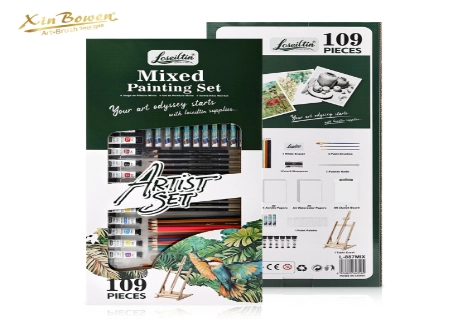
The Xin Bowen 109Pcs mixed paint and pencils kit packs an impressive variety of supplies. It contains acrylic paints, watercolor paints, oil pastels, color pencils, and graphite pencils. The bundle also features brushes, canvas panels, watercolor paper, acrylic paper, and sketch paper. A palette, an eraser, a sharpener, a tabletop easel, and a palette knife are provided too. This makes it an excellent choice for buyers. They get a single box to explore countless creative ideas.
Best Methods for Synthetic Painting on Popular Materials
A good result is not only about the brush. It comes from the match between brush, paint, surface, and pressure. Synthetic brushes can support many techniques, but each material needs a slightly different method. With the right habits, beginners can make cleaner work and experienced artists can paint faster with fewer tool changes.
Soft Washes on Watercolor Paper
For soft watercolor effects, load the brush with clean water first, then add pigment. Use gentle pressure and let the brush glide. Synthetic brushes with soft, flexible tips help create even color without harsh scratches. If the edge becomes too sharp, touch it with a damp clean brush to soften the transition.
This method is useful for skies, backgrounds, flowers, light shadows, and journal-style artwork. It also helps students learn color movement. The most common mistake is adding too much pigment too soon. Build the color slowly. Watercolor paint becomes more expressive when the artist gives it room to move.
Firm Layers on Canvas or Acrylic Paper
Acrylic painting benefits from confident strokes. Use a flat synthetic brush for base color and a smaller round brush for detail. If the surface shows too many brush marks, add a little water to the paint, but not so much that the color becomes weak. For thicker texture, use the paint directly from the tube.
Canvas and acrylic paper both reward clear layering. Let each layer dry before adding the next one. This keeps colors from turning muddy. For school art classes, synthetic brushes are helpful because they can take repeated cleaning and daily use.
Clean Lines for Sketching and Illustration
Line work needs control. A fine brush, fineliner, or detail tool can help artists build outlines, manga details, architectural sketches, and design drafts. Our technical drawing pen set includes multiple line widths from fine to bold, with waterproof and quick-drying ink for mixed media use.
Clean lines work best when the paper surface is stable and the hand moves at an even speed. If the ink or paint drags, the paper may be too rough. If the line spreads, the paper may be too absorbent. Small tests before the final work can save time and materials.
Choosing an Art Kit for Beginners, Classes, and Gifts
The best art kit is not always the biggest one. It is the one that matches the user’s goal. A beginner may need a simple acrylic paint or watercolor paint set with brushes, paper, and a palette. A student may need sketching tools, pencils, erasers, and blending tools. A gift buyer may prefer a larger mixed media kit that feels complete and exciting.
For beginner users, look for:
- Paint in useful basic colors
- Synthetic brushes in different shapes
- Paper or canvas included
- A palette for mixing
- Pencil and eraser for planning
- Easy storage or gift-ready packing
For schools and studios, look for:
- Consistent quality across cartons
- Safe and practical materials
- Strong packaging for transport
- Clear item count and set structure
- Suitable MOQ for class or wholesale needs
Xin Bowen provides a broad products collection covering brushes, paints, sketching tools, easels, canvas, drawing paper, clay products, and children’s art supplies. We also support personalized painting material sets, custom design, production, inspection, packaging, and transportation through our one-stop service.
Brush Care Tips for Longer Use
Synthetic brushes last longer when they are cleaned correctly. Acrylic paint should be washed before it dries. Watercolor paint is easier to rinse, but pigment can still collect near the ferrule. After washing, reshape the brush tip with your fingers and let it dry flat or upright with the tip facing up.
Simple care steps include:
- Rinse brushes during painting, not only at the end
- Use mild soap for stubborn acrylic paint
- Avoid leaving brushes standing in water for hours
- Keep paint out of the ferrule area
- Store dry brushes in a clean case or pouch
These small habits protect the shape of synthetic brushes and keep painting tools ready for the next project. For buyers, good care also lowers replacement costs over time.
Conclusion
Synthetic painting is practical, flexible, and friendly to modern creative habits. Whether the user is painting on watercolor paper, acrylic paper, canvas, wood, or mixed media surfaces, synthetic brushes can bring better control and easier care. The key is to match the brush shape, paint type, and surface before starting. A complete art kit also helps beginners, students, and gift buyers avoid missing tools. Xin Bowen designs our products around real painting needs, from compact 19-piece paint sets to large mixed media kits and custom art material solutions. With the right painting tools, creators can spend less time guessing and more time making.
FAQs
Q: Are synthetic brushes good for acrylic paint?
A: Yes. Synthetic brushes handle acrylic paint well and clean easily before drying.
Q: What volume is in Xin Bowen 19-piece paint sets?
A: Each set includes 12 x 0.012L paint tubes.
Q: How heavy is the acrylic art kit?
A: The 19-piece acrylic art kit is about 0.445kg per set.