

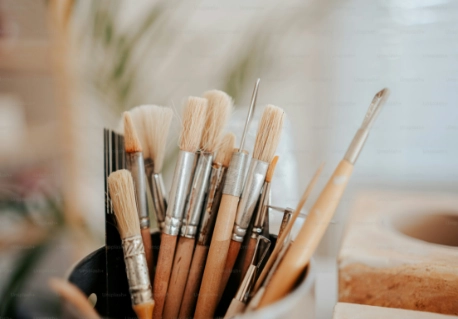
A brush seldom gets ruined in just one day. Harm typically develops over time. A bit of paint might harden near the ferrule. A wet brush could sit in a jar overnight. Sometimes, a fine tip is pushed too firmly against the bottom of a water cup. Several weeks later, the bristles split apart. The brush simply cannot create the smooth marks it used to make.
Proper brush maintenance secures much more than the actual tool. Spotless art paint brushes distribute colors smoothly. They react quite well to your hand pressure. They also grant you better command over sharp edges. Furthermore, they keep extra money in your pocket. You avoid buying new brushes after completing just a few creative projects.
The correct washing routine relies heavily on your specific paint type. Watercolor, acrylic, and oil each create a distinct type of residue. Therefore, a single washing technique will not work for every kind of medium.
Build Better Habits While You Paint
A large portion of brush damage takes place while you are actually painting. It rarely happens during the final cleanup. Paint forced deep into the base starts to harden around the hairs. Meanwhile, constant bumping against the bottom of a rinse cup bends the tip out of shape. Implementing a few minor adjustments during your work time makes later brush washing much quicker. It also makes the process significantly less frustrating.
Keep Paint Away From the Ferrule
The ferrule is the metal band that secures the bristles to the wooden handle. Once paint seeps into its bottom edge, it becomes extremely tough to wash out. Hardened residue then pushes the hairs outward. This causes a previously sharp tip to split into multiple tiny ends.
You should pick up paint mostly on the tip and the middle section of the brush. Try not to shove the whole bristle length into heavy colors. A palette knife serves as a much better tool for blending big piles of paint. It successfully keeps thick color away from the bottom base of your art paint brushes.
Whenever you switch colors, wipe off as much pigment as you can before you rinse. This easy action requires much less water or soap. It also stops thick clumps from forming deep inside the brush head.
Rinse Without Crushing the Fibers
Stirring a brush softly is usually enough to wash out most water-based paints. Scrubbing it hard against the cup bottom might look faster. However, that heavy pressure twists the hairs and ruins the fine point.
Set up two separate water cups when you paint with acrylic or watercolor. The first cup washes away the majority of the pigment. The second cup offers a much clearer final rinse. You should pour out and refill the first cup once the water turns muddy or thick.
You must never let brushes sit upright on their tips. Even a brief ten or fifteen minutes can warp delicate watercolor brushes. You should lay wet brushes down flat. Alternatively, you can rest them across the top edge of a flat tray.
Clean Brushes According to the Paint Medium
Before washing your tools, check the specific paint type. You also need to look at the brush material. Water-soluble colors normally need only basic water. A mild soap helps too. Oil paint, however, needs a specific oil-based cleaning method. Water temperature matters a lot during this process. Extremely hot water can easily melt the glue inside. This heat makes the wooden handles swell up. Furthermore, it destroys the natural shape of the bristles.
Cleaning Watercolor Brushes
Watercolor washes out much faster than dried acrylic. It is also simpler to clean than heavy oil paint. Therefore, watercolor brushes need very careful and gentle care. First, rinse the brush in clean, lukewarm water. Next, brush it lightly over your palm. Continue this motion. Stop when you see no more color coming out.
You rarely need to scrub these brushes hard. A soft brush soap helps a lot. Use it after painting with dark or staining pigments. Still, avoid using excess soap. Too much cleaner removes natural oils from soft animal hair. Once you finish washing, take your fingers. Carefully shape the wet tip back into its original point.
Never pull on the wet hairs. Also, do not use your mouth to shape them. This habit is highly unsanitary. Old paint or soap pieces could still hide inside the bristles. Always lay your watercolor brushes flat to dry. Leave some open space around the wet tips. This allows fresh air to circulate properly.
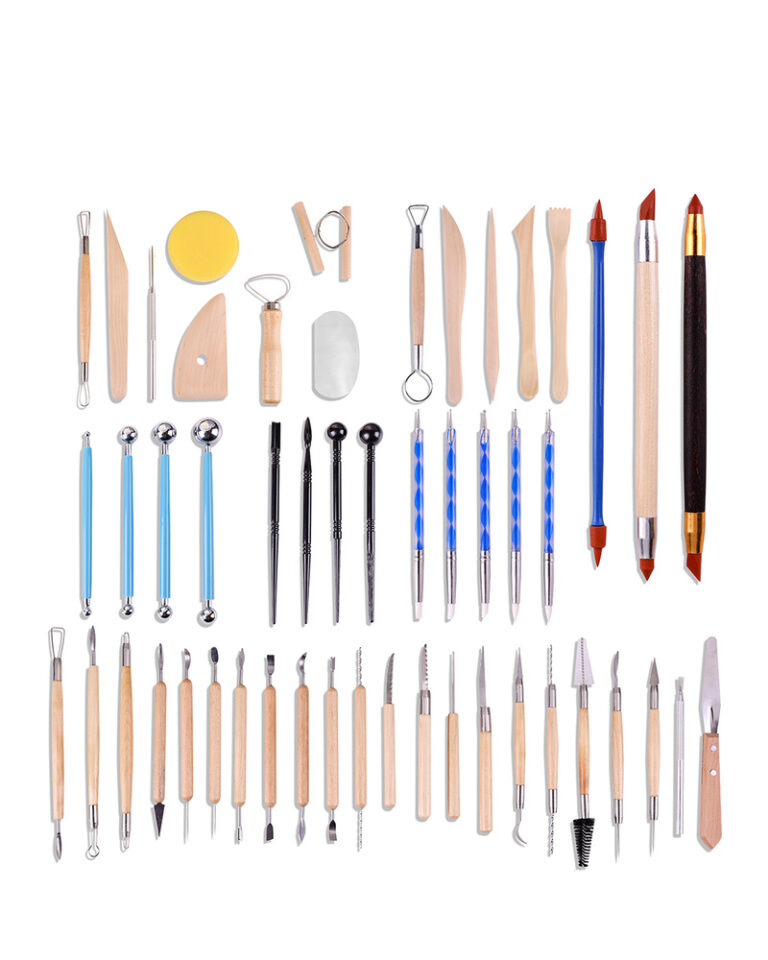
Artists searching for various brush styles or color media can check our catalog. We offer full creative kits as well. Please view our broad selection of art supplies and painting tools.
Cleaning Acrylic Brushes
Acrylic brushes need immediate cleaning. This paint changes into a hard, waterproof plastic layer as it dries. Dried paint near the metal ferrule pushes the hairs apart permanently. You should wash your active brushes frequently during long painting sessions. Rinse them every few minutes. Never wait until the entire artwork is finished to start cleaning.
Please follow these simple steps:
- Wipe any leftover color onto a clean, reusable rag.
- Wash the brush thoroughly in slightly warm water.
- Put a tiny drop of gentle brush soap on the hairs.
- Rub the bristles softly from the bottom base up to the tip.
- Keep rinsing it until the running water looks totally clear.
- Fix the flat edge or sharp point and let it dry flat.
You should never submerge the entire brush in water. Liquid can easily creep into the metal ferrule. This causes the wooden handle to puff up. It also makes the internal glue break down. If you have completely dried acrylic, you must use a special fluid made for hard acrylic paint. Always follow the safety rules on the bottle. Yanking hard paint chunks out by force will likely rip out good hairs along with the dried color.
Our artist painting tools sets feature great acrylic painting choices. They come with paints, brushes, mixing palettes, paper sheets, sketching tools, and small table easels. These comprehensive bundles are highly practical for new students, school groups, and holiday gift buyers.
Cleaning Oil Brushes
Oil brushes need a different process because water alone cannot remove the binder. Begin by wiping out as much paint as possible. Work from the ferrule toward the tip rather than pulling or twisting the fibers.
Use a small amount of suitable brush-cleaning oil or artist solvent in a stable container. Move the brush gently through the liquid, then wipe it again. Repeat only when needed. Finish with brush soap and lukewarm water so no oily or solvent residue remains.
Keep cleaning liquids covered when they are not in use. Used solvent should never be poured directly into a household drain. Allow pigment to settle, reuse the clearer liquid when appropriate, and follow local disposal rules for the remaining waste.
Reshape and Dry Art Paint Brushes Correctly
A clean brush can still be damaged by careless drying. Shake off excess water gently, blot the handle and ferrule, and reshape the fibers with clean fingers. Do not wrap a damp brush tightly in plastic or return it immediately to a closed case.
Place brushes flat on an absorbent cloth, preferably with their tips extending slightly beyond the edge of a table. This allows air to reach the fibers. If a purpose-made rack holds them with the bristles pointing down without touching another surface, that position also works well.
Avoid drying brushes upright with the fibers at the top while they are still very wet. Water may travel into the ferrule and handle. Once fully dry, upright brush storage is acceptable as long as the tips are not crowded.
Store Brushes for Daily Use or Travel
Good brush storage keeps dust away without pressing the fibers. Studio containers are convenient for dry, long-handled art paint brushes, while rolls and ventilated cases suit travel. Whatever you choose, each brush needs enough space to keep its natural profile.
Before closing a case:
- Check that every brush is completely dry.
- Remove any paint from the ferrule and handle.
- Separate delicate points from heavy tools.
- Keep oil brushes apart from watercolor brushes.
- Protect long liners from bending.
- Avoid airtight storage in damp conditions.
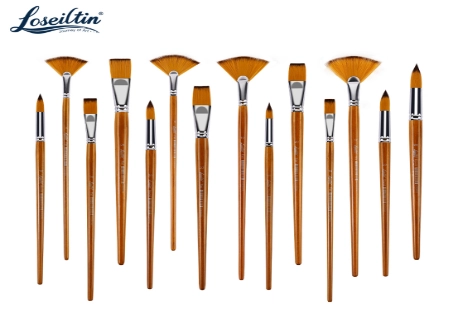
Xin Bowen produces different artist paint brushes for watercolor, acrylic, oil painting, detailing, washing, and decorative work. We use selected hair or synthetic fibers, secure ferrules, and shaped wooden handles according to the intended technique. Our inspection team checks finished products before they enter the warehouse or move to shipment.

Repair Minor Problems Before Replacing a Brush
Not every damaged brush must be thrown away. A slightly bent point may recover after gentle washing, reshaping, and flat drying. Mild residue near the heel can sometimes be loosened with the correct cleaner. Work slowly; harsh scraping often causes more damage than the original paint.
A brush with a permanently spread tip may still be useful. Move it from detail work to dry brushing, texture, underpainting, glue application, or craft projects. Labeling older brushes prevents them from being confused with tools reserved for fine work.
Replacement is usually the better choice when:
- Fibers shed continuously
- The ferrule moves on the handle
- Rust appears around the metal
- The handle has split
- Hardened paint fills the ferrule
- The brush no longer releases paint evenly
Businesses developing branded brush collections can use our one-stop service for product selection, sample confirmation, packaging design, OEM or ODM production, inspection, and delivery.
Create a Simple Studio Brush Care Routine
A routine is more reliable than waiting until brushes look damaged. Keep a cloth, two rinse containers, mild soap, and separate cleaning supplies within reach. At the end of each session, count the brushes, clean them by medium, inspect their points, and place them in a clear drying area.
In art classes, assign one washing area for water-based paint and another controlled area for oil materials. Mark storage sections by medium. This reduces cross-contamination and makes missing or damaged tools easier to notice.
A monthly check is also worthwhile. Look for loose ferrules, chipped handles, stained fibers, and brushes that no longer return to shape. Early care usually takes minutes; replacing a full class supply costs far more.
Conclusion
Caring for art paint brushes does not require a complicated process. The most important habits are prompt cleaning, gentle movement, correct products for each paint medium, and careful drying. Keep color away from the ferrule, rinse acrylic brushes before the paint hardens, treat watercolor brushes lightly, and remove oil color with a suitable cleaning stage. After washing, reshape each tip and let the brush dry flat in open air. Store only fully dry tools, with enough room to protect their form. These simple actions preserve paint flow, edge control, and fiber strength. They also reduce waste and make every painting session more consistent. A well-maintained brush remains a dependable creative tool rather than a disposable supply.
FAQs
Q: How often should I clean art paint brushes?
A: Clean them after every session and rinse acrylic brushes regularly while painting.
Q: Can watercolor brushes remain in one liter of water overnight?
A: No. Prolonged soaking bends fibers and may loosen the ferrule, regardless of water volume.
Q: How should I clean oil brushes?
A: Wipe off paint, use a suitable oil cleaner or solvent, wash with soap, then dry flat.