

The art market often looks like a maze of changing values and big auction sales that ignore normal reasoning. For many collectors, teachers, and makers, the question remains: why does one painting fetch millions while another, quite a similar piece, sits unsold? To grasp how art prices work, we must go past the brush marks. We need to examine a tricky web of rarity, fame, and physical condition.
Why Do Some Artworks Cost Millions While Others Remain Unsold?
Art pricing is rarely a reflection of “beauty” alone; it is a sophisticated interplay between subjective desire and objective market data.
The Subjectivity vs. Objectivity of Valuation
While the emotional impact of a piece is subjective, the market seeks objectivity through “provenance”—the documented history of ownership. A painting once owned by a famous collector or featured in a major retrospective gains a “pedigree” that functions as a price floor. Condition reports also play a critical role; a masterpiece with significant restoration usually sees a sharp discount compared to one in its pristine, original state.
The “Veblen Good” Effect in Art
In economic terms, high-end art often behaves as a “Veblen Good”—a luxury item where demand increases as the price rises. For ultra-high-net-worth individuals, a high price tag acts as a signal of exclusivity and status. This psychological pricing mechanism ensures that at the top tier of the market, art prices are driven less by the cost of production and more by the social capital the artwork provides to its owner.
How Does an Artist’s “Brand Equity” Determine the Base Price?
In the art business, the artist forms the brand. The worth of the creation ties closely to the path of its maker.
The Impact of Academic Pedigree and Institutional Support
A graduate degree from a prestigious institution like the Royal College of Art or Yale often serves as the first “buy signal” for collectors. However, institutional support is the true catalyst for soaring art prices. When a museum “acquires” an artist’s work into its permanent collection, it essentially de-risks the investment for private buyers. This validation creates a permanent upward shift in the artist’s market value that is difficult to reverse.
The Primary Market Momentum
The primary market is where art sells for the first time through a gallery. It is a controlled setting. Leading galleries use wait lists to pick buyers. They favor museums and key collectors over quick flippers. By placing the work in “strong hands,” galleries avoid fast sales that might drop prices. As a result, they keep a smooth, steady rise for the artist’s name.
Why Do Premium Physical Materials Justify Higher Art Prices?
Past the unseen “brand,” the real makeup of an artwork gives a clear reason for its expense. A collector buys more than a picture. They buy an item meant to endure for ages.
The Impact of Archival-Quality Canvases and Pigments
The longevity of a piece is a major factor in its long-term valuation. Artworks created with student-grade materials often suffer from “fugitive” pigments that fade within decades or canvases that become brittle. Professional creators prioritize “archival quality”—materials that are chemically stable and lightfast. When a buyer sees a high price tag, they are often paying for the assurance that the vivid colors and structural integrity of the piece will survive the test of time, making it a viable multi-generational asset.
How Professional Studio Equipment Elevates the Final Masterpiece
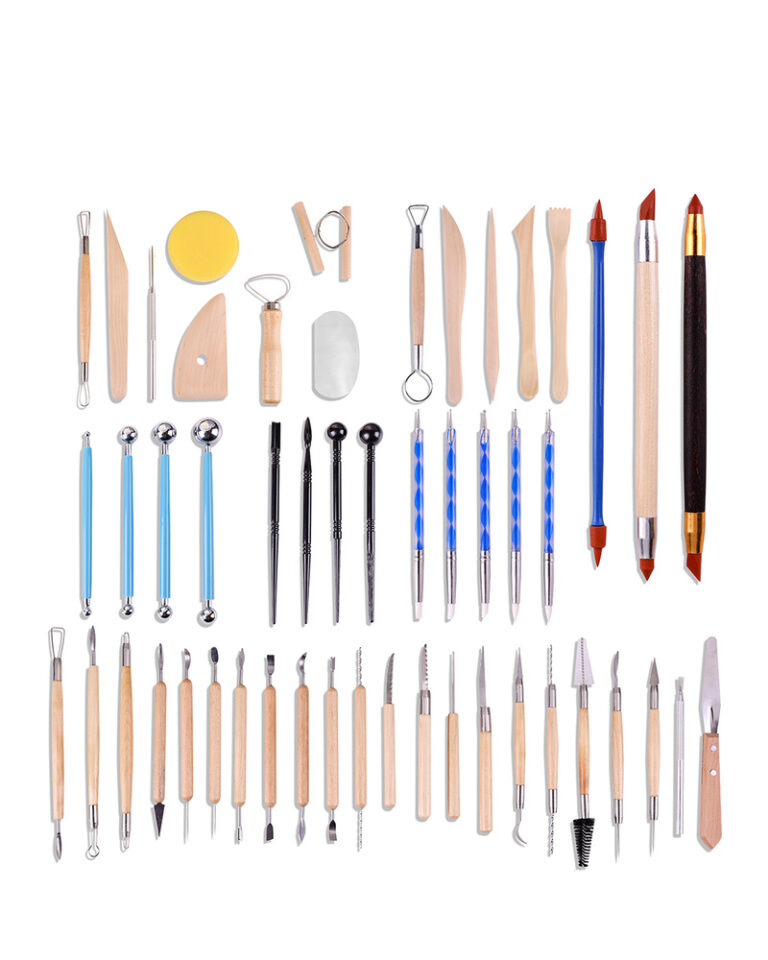
The accuracy of an artist’s tools links directly to the skill level they reach. We at Xin Bowen know that a top-value artwork starts in the studio. For more than fifteen years, we have supplied pro-level brushes, easels, and forming tools. They match strict global rules like EN71 and MSDS. We focus on tailored options for schools and pro workspaces. This ensures each tool—from the solid beech wood easel to the firm grip of a fine paintbrush—helps the artist do detailed methods. These fine points add to the “finish” of a piece. And skilled collectors and judges seek that when checking if art prices make sense.
Is Size Always Proportional to the Price Tag in the Art World?
A widespread wrong idea is that a bigger painting must always cost extra. There is some link, but it is not straight.

The “Price per Square Inch” Rule for Emerging Artists
For artists early in their careers, pricing is often formulaic to build trust with buyers. Using a “price per square inch” or “price per linear inch” provides a transparent logic that helps educators and new collectors understand the cost. This consistency prevents the perception of arbitrary pricing, which can be a red flag for those looking to enter the market.
The Logic of “Large-Scale” Premiums
Once an artist moves into the mid-career or blue-chip category, the “size premium” changes; large-scale works require significant logistical investment—customized shipping crates, specialized climate-controlled transport, and high-premium insurance. Furthermore, a massive canvas requires a specific type of buyer with a gallery-sized home or a corporate lobby. Ironically, sometimes a small, exquisite “jewel” of a painting can command higher art prices than a larger, less focused work due to its density of detail and ease of display.
How Do Global Economic Trends and Gallery Commissions Impact Buyers?
The true cost to a collector also shows wider money patterns and the running fees of art sales.
The 50/50 Gallery Split: Where Does the Money Go?
Galleries typically claim a 50% cut on a sale. This might look steep. However, it covers the worldwide push for the artist. That means fees for spots at global art shows, which can hit thousands of dollars. It also includes printing learned books. For buyers, this cut is a stake in “market making” tasks. And those help keep the art prices in their set range.
Market Trends and the “Hype” Cycle
The art market feels global money changes. In rising price times, art serves as a “hard asset” shield. This can lift art prices. But buyers should watch “hype cycles” from online buzz. Lasting worth comes from gradual, group approval. It does not arise from quick fame. At Xin Bowen, we aid the steady build of the art group. We do this with a firm, quality supply line. Thus, artists can stress timeless traits over short market waves.
FAQ
Q: How can I determine if art prices for a specific piece are fair or overvalued?
A: To evaluate if art prices are fair, you should research the “comps” or comparable sales of the artist’s work over the last 24 months. Look at auction records or ask the gallery for a price list of similar-sized works from the same series. Additionally, check the artist’s exhibition history; if the price is high but the artist has no museum or reputable gallery shows, it may be overvalued due to temporary market hype.
Q: Why do art prices seem to jump significantly after a solo gallery exhibition?
A: A solo show means a large expenditure of funds and name by a gallery. The rise in art prices shows the “validation cost.” The gallery bets its standing on the artist’s path. The show also builds focused want and tight supply. So, this pushes prices to a fresh level.
Q: Do larger artworks always result in higher art prices compared to smaller pieces by the same artist?
A: Not always. Bigger works often have higher art prices due to supply costs and effort. Yet, “monumental” ones can sell more slowly. They need special spots. A mid-size piece that suits a normal house may hold better “liquid” worth. It draws more bids. Sometimes, this closes the cost gap with far larger ones.
Q: Does the quality of art supplies used by a creator actually impact long-term art prices?
A: Yes, for sure. Pro judges and keepers seek archival-quality supplies. If a painting uses cheap pigments that fade (fugitive colors) or bad supports, its art prices will likely fall on resale. The work will need costly fixes or lose its looks over time. At Xin Bowen, we offer the fitted, high-quality supplies to keep work valuable for years.
Q: Are art prices currently being affected by changes in the global economy?
A: Yes, art prices often follow global wealth spread. In uncertain times, backers shift funds to “blue-chip” art—pieces by known experts—as a steady value hold. On the other hand, the spot for new artists may swing more. Collectors pick carefully. They eye makers with firm group support and quality build standards.