

Whether you are an overseas art educator, a professional creator, or simply an art enthusiast, finding the right tools is essential for breaking through creative plateaus. While traditional brushes are essential, many artists overlook a secret weapon: the small palette knife. Far from being just a simple mixing tool, a well-crafted small palette knife can completely redefine your approach to texture, precision, and color purity. In this guide, we will explore how using a small palette knife can elevate your creative process and bring your visions to life.
Why Is a Small Palette Knife the Secret to Elevating Your Art?
Breaking Free from Flat Canvas Limitations
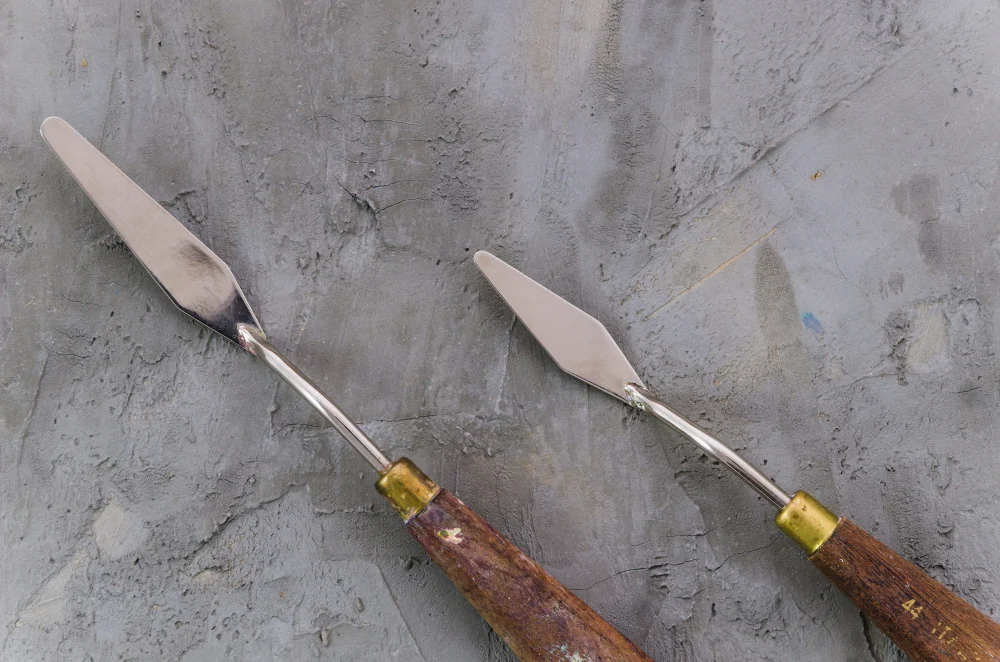
A common issue for makers is a surface that looks dull. Brushes naturally even out and press down colors. However, a small palette knife lets you shape paint. You can grab thick coats of thick acrylics or oils. Then, you build raised bumps and lines that grab light. This shaped feel adds real weight to your piece right away. It turns a plain picture into something you can touch.
The Forgiving Nature of Knives for Beginners
For learners in schools and new makers, worrying about permanent errors can freeze you up. The best small palette knife proves quite lenient. It differs from brushes that hold paint and need careful force. A metal edge puts color straight on the base. If a mark does not please you, just scrape it away. It leaves no dirty mark. This ease sparks brave tries and grows trust.
What Are the Best Painting Techniques for a Small Palette Knife?
Building Texture with the Impasto Method
Impasto means putting on paint in heavy layers so marks show. A small palette knife serves as the top tool here. Load the flat part of the edge. Press it lightly on the surface. You can form rough feels like hill lines or stacked flower parts. For detailed feel tasks, the Special Shape Texture Art Painting Knife gives a fine fan form. It suits adding special, repeating bits to your scenes.
Crafting Crisp Edges and Fine Lines
You may think tiny pointed brushes handle small parts. But the keen, level side of a small palette knife works well for exact jobs. Dip only the edge into color. Stamp it on the surface. You get sharp building lines, post shapes, or slim branch forms at once. It brings a straight quality that soft hairs rarely match.
Sgraffito: Scratching Away for Hidden Layers
Sgraffito means cutting through fresh paint to show the dry layer below. The sharp end of a small palette knife fits carving fine designs, leaf lines, or hair glows. This way adds unexpected layers and close detail to loose or true-to-life works.
How Can a Small Palette Knife Enhance Your Paint Mixing Process?
Keeping Your Oil and Acrylic Colors Pure
Mixing colors with a brush often pushes pigment deep into the ferrule, where hidden remnants of previous colors can muddy your new mixture. When mixing with a small palette knife, the smooth metal surface ensures that all the paint stays on top. You can fold and press colors together with absolute control, ensuring your vibrant yellows and crisp whites remain completely uncontaminated.
Maximizing the Lifespan of Your Expensive Brushes
Fine art brushes cost a good deal for any pro maker or school. Stirring thick paints with them wears out the hairs and cuts their use time. If you use a small palette knife only for blending, you protect your brushes’ form. This easy change in routine saves cash and hassle in the long run.
What Should You Look for in a High-Quality Small Palette Knife?
Evaluating Blade Flexibility and Metal Durability
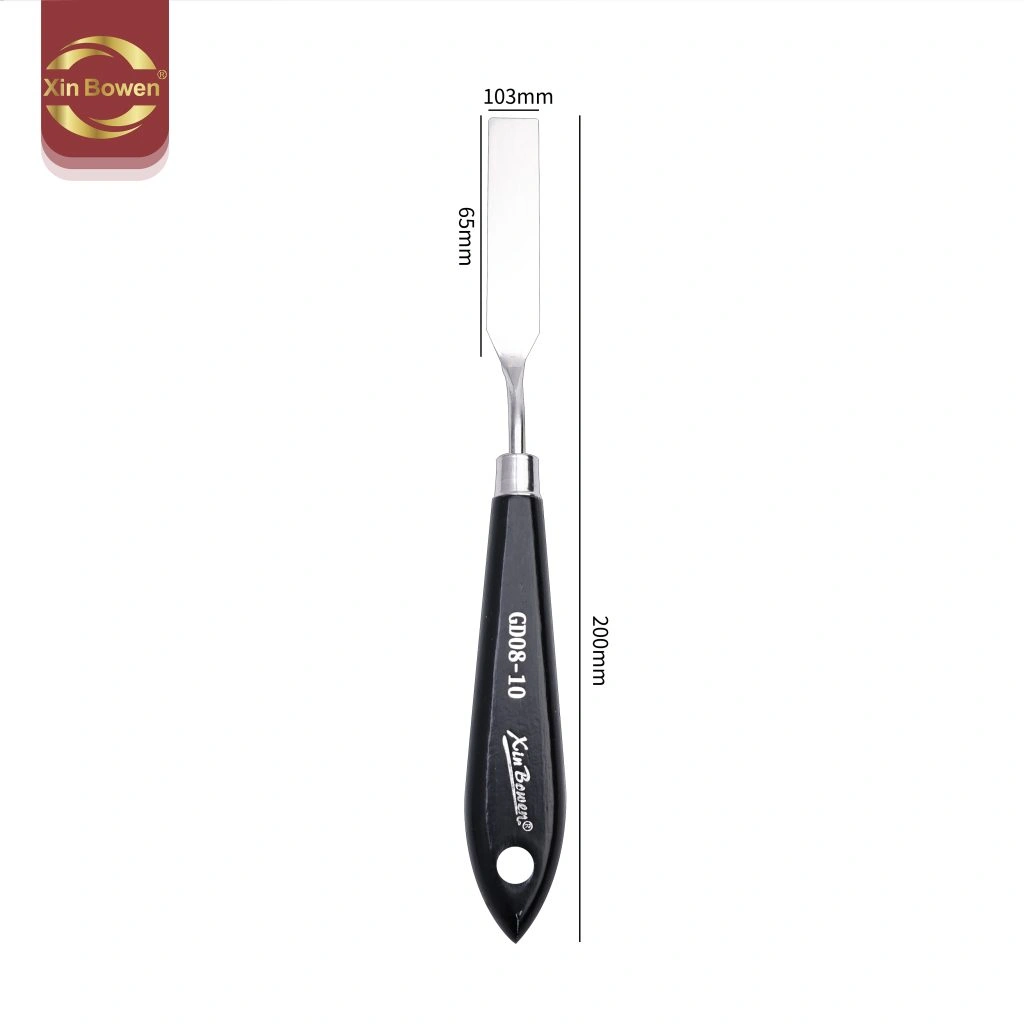
The magic of a great blade lies in its spring. It needs to give slightly under pressure but snap back to its original shape. At Xin Bowen, we have spent over 15 years perfecting the balance of our tools. We utilize premium stainless steel that resists rust and provides the exact flexibility artists demand. For instance, our Xin Bowen 4CR13 Stainless Steel Painting Knife No.6 offers a delicate tip and sturdy steel construction, ensuring that the blade gracefully responds to your hand’s every movement while maintaining long-lasting durability.
The Importance of Ergonomic Handles for Fatigue-Free Painting
Extended work times need tools that fit your hand like a part of it. An off-balance item leads to hand tiredness. We focus on user-friendly shapes. We use fine beech wood grips with even finishes for a cozy hold. If you want the firm guide of the Foundation Shape Artwork Craft Painting Knife, or need customized small palette knives for a set school plan, we offer full OEM and ODM help. All items meet world safety rules, like CPC, EN71, and MSDS certifications. This ensures your customized art tools are pro-level and dependable.
FAQs About Using a Small Palette Knife
Q: How do I clean my small palette knife after mixing heavy acrylics?
A: The task is very easy. When paint stays fresh, wipe the edge with a paper cloth or soft cloth. If paint dries on your small palette knife, peel it off the steel gently. Or use warm water with soap. At Xin Bowen, we treat our edges for simple care. No strong cleaners needed.
Q: Can a small palette knife be used for delicate watercolor paintings?
A: Yes! Though linked to thick oils and acrylics, a small palette knife works with watercolors. You can scrape wet sheets for bright spots or flick on cover fluid. Items like our No.6 Foundation Shape Artwork Craft Painting Knife have sharp sides. They won’t rip good watercolor sheets if handled right.
Q: What is the main difference between a small palette knife and a standard painting knife?
A: In truth, a palette knife has a level edge for blending on the board. A painting knife has a turned or angled grip to keep fingers off wet paint. But now, makers use a fine, small palette knife for both blending and putting on the surface.
Q: How should I choose the best small palette knife for outdoor landscape painting?
A: For outside quick sketches, pick something flexible and tough. Seek a slanted, gem-form edge. The even base lets you spread wide skies. The keen end suits marking far trees. When picking a small palette knife, check if the grip balances well. It matches the strong beech wood grips we make for steady ease at Xin Bowen.
Q: Will mixing with a small palette knife damage my wooden palette?
A: No, if you apply the right way. Use the level base of the edge to blend paint softly. Avoid poking the keen end into wood. A well-made small palette knife comes with even sides. They slide over wood, plastic, or glass boards without deep cuts.