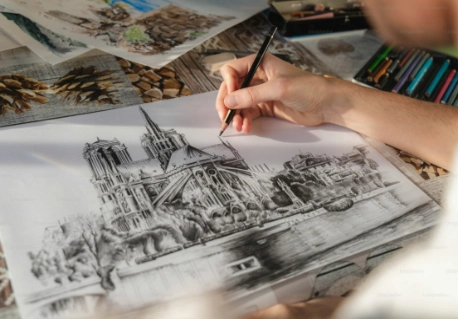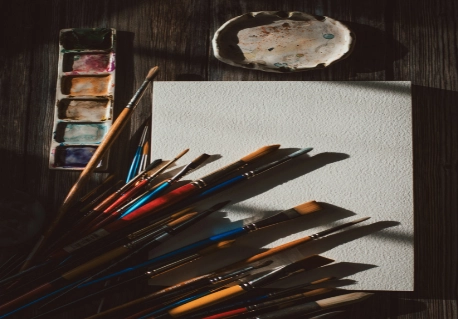


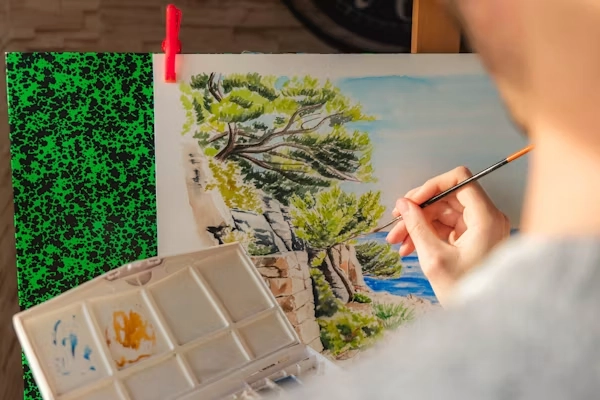
In 2026, more buyers are comparing synthetic brush and natural brush options. Some artists still prefer the soft feel and strong water holding of natural hair. At the same time, many retailers and distributors are adding synthetic watercolor brush products because they are animal-friendly, cost-friendly, easier to clean, and more stable for bulk supply.
What Makes a Good Artist Paint Brush for Watercolor?
Water Holding Capacity
Natural hair brushes are often known for strong water holding because the hair structure can carry moisture well.
However, modern synthetic brush materials have improved. Synthetic squirrel hair and nylon blends can now offer good water absorption for students, hobby painters, and many professional users.
Shape Retention and Control
Natural brushes are often softer. They can create smooth and flowing marks, but some may have less snap. This means they may suit experienced artists better than beginners.
Smooth Color Release
Color release means how evenly pigment leaves the brush. If the brush releases too much water at once, it may create puddles. If it releases too little, the stroke may look dry.
Both synthetic and natural brushes can perform well when the material and production quality are good. Buyers should test brushes with real watercolor paper before making a bulk order.
Synthetic Artist Paint Brush: Strengths and Limits
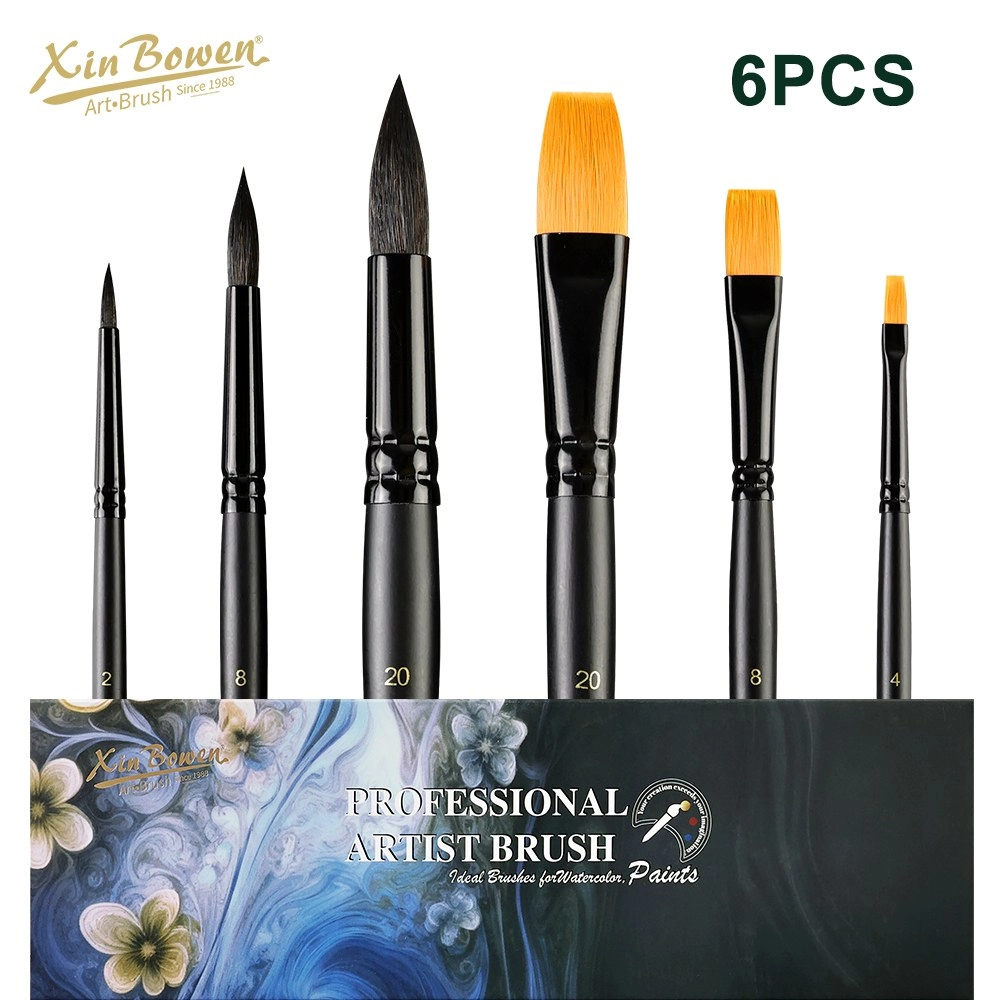
At Xin Bowen, our artist paint brush category includes watercolor brushes, fine paintbrushes, detail brushes, liner brushes, and other brush types for different users. We design our products for students, art schools, retailers, distributors, and custom art supply projects.
Main Advantages of Synthetic Brushes
Synthetic brushes are practical for business buyers because the material is easier to control in production. This helps keep quality more stable across repeat orders.
Main benefits include:
- Animal-friendly material
- Good elasticity and shape recovery
- Easier cleaning after watercolor, gouache, or acrylic use
- Strong durability for daily practice
- Lower cost for school and retail lines
- More stable supply for bulk orders
- Suitable for private label paint brush set projects
A synthetic brush is especially useful for beginners. It can handle repeated washing and mixed media use better than many soft natural brushes. Students may use one brush for watercolor, gouache, and acrylic practice, so durability matters.
Limits of Synthetic Brushes
Not every synthetic brush performs the same. Low-grade synthetic fibers may feel stiff, hold less water, or leave harsh marks on paper. Some may release pigment too quickly, which makes large watercolor washes harder to control.
This is why buyers should not judge only by the word “synthetic.” A premium synthetic squirrel hair brush is very different from a cheap plastic brush. For B2B orders, real sample testing is still important.
Best Uses for Synthetic Brushes
Synthetic brush products are a good fit for:
- Beginner watercolor classes
- School art supplies
- Online art starter kits
- Private label brush sets
- Gouache and acrylic practice
- Detail work and line control
- Travel painting kits
- Retail brush collections
For example, our 10-piece professional synthetic watercolor brush set uses synthetic squirrel hair with cat’s tongue, flat, dagger, round pointed, and liner brush shapes. This type of paint brush set can cover both fine details and wider washes.
Natural Artist Paint Brush: Strengths and Limits
Natural brushes are made from animal hair, such as squirrel, goat, ox, or other soft hair types. They have a long history in watercolor painting. Many artists like natural brushes because they feel soft, hold water well, and create smooth strokes.
Natural brushes can give painters a traditional watercolor feel. They are often used for soft washes, loose painting, calligraphy-style lines, and expressive brushwork. For professional art stores, natural brushes can also support a higher-end product line.
Main Advantages of Natural Brushes
Natural brushes are valued for water holding and soft color flow. They can carry more liquid with fewer strokes, which helps when painting skies, flowers, landscapes, and large soft areas.
Main benefits include:
- Strong water holding capacity
- Soft touch on watercolor paper
- Smooth pigment release
- Good performance for large washes
- Traditional watercolor feel
- Higher-end product image
For experienced artists, the soft response of a natural brush can feel more personal and expressive. This is one reason natural brush products still have a place in the market.
Limits of Natural Brushes
Natural brushes usually need more careful care. They may lose shape if used roughly or cleaned poorly. They may also cost more and have less stable supply than synthetic brush products.
Another point is customer preference. More consumers now care about animal-friendly materials. Some schools, stores, and online sellers prefer synthetic brush options because they are easier to explain and more suitable for a wider audience.
Best Uses for Natural Brushes
Natural brushes are often suitable for:
- Professional watercolor artists
- Premium brush collections
- Soft wash painting
- Traditional watercolor techniques
- Calligraphy-style strokes
- Advanced art supply stores
Natural brushes can be valuable, but they should be matched with the right audience. They may not be the best first choice for beginner kits or high-volume school orders.
Why Synthetic Brushes Are Popular in 2026
Watercolor is now popular among students, hobby painters, online learners, and gift buyers. Many of these users want tools that are easy to use, simple to clean, and not too expensive. This gives synthetic brush products strong market value.
At the same time, many business buyers want products with modern material claims. Animal-friendly fibers, eco packaging, clear brush shapes, and stable batch quality all matter. A synthetic brush can meet many of these needs.
Animal-Friendly Demand
More customers check whether a brush uses animal hair. A synthetic brush gives a clear answer. It is animal-friendly and easier to promote in online product descriptions, retail packaging, and school art supply lists.
This does not mean natural brush products have no market. It means buyers should separate product lines clearly, so users can choose based on their values and painting habits.
Better Synthetic Fiber Technology
Older synthetic brushes were often stiff. Modern synthetic squirrel hair and nylon blends are softer and better at holding water. They also return to shape well, which helps with lines, petals, details, and controlled strokes.
Our watercolor brush range includes different shapes and materials for watercolor, gouache, acrylic, and mixed media painting. Buyers can choose single brushes or brush sets based on their sales plan.
How to Choose a Paint Brush Set for Business Buyers
A paint brush set should match the target market. A set for children’s classes is different from a set for professional watercolor users. A set for e-commerce also needs clear packaging, good photos, and easy product explanations.
Buyers should check brush material, shape, handle, ferrule, packaging, MOQ, and sample process before placing a large order.
Check Brush Shapes
A useful paint brush set often includes several shapes:
- Round brush for lines and general painting
- Flat brush for washes and edges
- Liner brush for long thin lines
- Cat’s tongue brush for petals and soft edges
- Dagger brush for expressive marks
- Fan brush for texture and blending
Different shapes increase the value of a brush set. They also help customers use one set for more painting styles.
Review Handle and Ferrule Quality
The handle and ferrule affect durability. A weak ferrule may loosen, and a rough handle may feel uncomfortable. Birch wood handles, copper ferrules, and clean finishing can make the brush feel more reliable.
Xin Bowen brush products use different material combinations such as synthetic squirrel hair, nylon, birch wood handles, copper ferrules, and eco paper packaging for selected brush lines. Our products also cover wider art material categories for buyers building full art supply programs.
Conclusion
Synthetic and natural brushes both have value in watercolor painting. A synthetic brush is usually better for schools, retailers, online stores, and private label projects because it is animal-friendly, durable, easy to clean, and stable for bulk supply. A natural brush is better for artists who want soft flow, strong water holding, and a traditional watercolor feel. For many business buyers, the best plan is not choosing only one type. Xin Bowen supports buyers with brush categories, custom services, quality control, and packaging options for different art material markets.
FAQs
Q: Is a synthetic brush good for watercolor?
A: Yes. A quality synthetic brush can hold water well and keep shape.
Q: Which artist paint brush is better for beginners?
A: A synthetic artist paint brush is usually easier to clean and control.
Q: Can Xin Bowen provide custom paint brush set options?
A: Yes. We support custom packaging, sample confirmation, and bulk brush supply.