

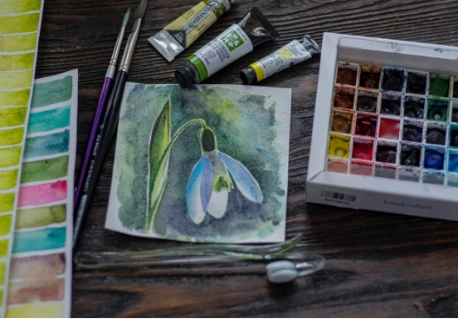
Detailed painting changes a simple artwork into something rich, vivid, and unforgettable. Even experienced painters face problems when their brush feels too soft or too bulky. Sometimes the brush just cannot hold a sharp point. As a result, lines get messy. Tiny sections gather extra paint, and delicate textures lose their clear edges.
Picking the proper detail paint brush is not just about grabbing the tiniest size you can find. The perfect brush needs to fit your paint type, your specific method, your canvas, and your desired control level. You might paint tiny figures, model cars, plant drawings, nail art, or crisp highlights on a big canvas. In all these cases, the correct small paint brush makes precision tasks quicker and much more exact.
This guide points out the key things to think about before you pick a brush for exact painting.
Why the Right Small Brush Matters?
A tiny area gives you almost no space for mistakes. Just one stray bristle can leave an ugly mark. Furthermore, a brush that drops too much paint might hide a whole detail. A dependable precision paintbrush lets the artist manage paint flow, line thickness, hand pressure, and exact placement.
The correct brush helps you to:
- Paint neat borders and slender outlines.
- Get into tight corners and deep spots.
- Put faces on tiny figures.
- Draw hair, grass, animal fur, leaf veins, and fancy designs.
- Cut down on constant fixing.
- Keep a firm stroke for hours.
- Apply paint without wasting it.
A solid brush must react to slight hand shifts without feeling wobbly. It must also snap back to its first shape after every single stroke. These traits matter a lot for model makers and artists painting on very tiny surfaces.
Match the Brush Shape to the Painting Task
The shape of the brush changes how paint hits the canvas. It also alters how much control the artist feels. Two brushes with the exact same size number might act in totally different ways if their tips, hair lengths, or body forms vary.
Before you grab a brush, think about the kind of stroke you want to create. Crisp outlines need a different build compared to tiny dots, soft petals, or sweeping decorative lines. The shapes mentioned below are popular for exact work.
Round Detail Brushes
A round detail paint brush features a thick belly that tapers down to a sharp tip. It stands out as one of the handiest shapes for everyday detail painting. It mixes good paint load with tight control.
Round brushes work great for:
- Tiny forms and bright spots.
- Face details.
- Smooth curves.
- Brief outlines.
- Micro color spots.
- Delicate trim marks.
A premium round brush must make a sharp point when you wet it. If the end splits or goes flat, putting paint exactly where you want it becomes very tough.
Liner Brushes
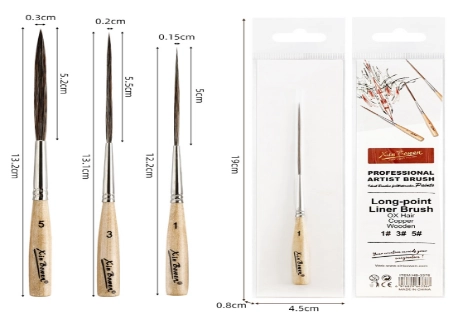
A fine liner brush features longer and slimmer hairs than a normal round brush. Its stretched tip holds enough paint to draw unbroken lines without dipping it again and again.
Liner brushes are perfect for:
- Stretched outlines.
- Hair and thin whiskers.
- Slender tree branches.
- Words and fancy writing.
- Fancy edges.
- Thin ropes on model ships.
Because the hairs are long, liner brushes react a lot to your hand shifts. New painters might need to practice a bit before they get a smooth line. A slightly shorter liner often gives better control while you are still learning.
Spotter and Miniature Brushes
Spotter brushes feature short, dense hairs and a very sharp point. People often pick them as miniature brushes. Their short bristles stop extra movement. This gives the artist direct power over the stroke.
They are handy for:
- Eyes and face parts.
- Micro dots.
- Model switches and tiny buttons.
- Little bright spots.
- Fixes in tight gaps.
A spotter carries less paint than a liner or a round brush. You have to load it more times. Still, the stubby tip helps stop accidental slips.
Choose the Correct Brush Size
Brush sizes are not exactly the same everywhere. A size 0 from one brand could be thicker or longer than a size 0 from another maker. Therefore, shoppers must look past the printed number. They need to check the real width and length of the hairs.
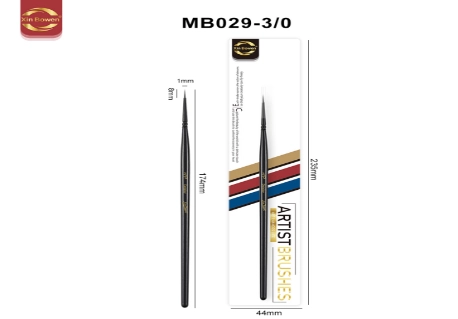
Very tiny sizes like 4/0, 3/0, and 2/0 are popular choices for super-fine marks. Sizes 0, 1, and 2 normally offer more paint room while still helping with exact work. A bigger pointed brush can sometimes draw a sharper, cleaner line than a super tiny brush. It holds more paint, so it does not dry out too fast.
Keep this handy size guide in mind:
- 4/0 to 2/0: eyes, tiny dots, small signs, and ultra-thin lines.
- 0 to 1: borders, little highlights, words, and face bits.
- 2 to 3: careful color fills, flower petals, model sections, and slightly wider details.
- 4 and above: thicker lines, fancy strokes, and little background spaces.
Xin Bowen provides small detail brushes for model painting in many sizes. These include 4/0, 3/0, 2/0, 1, 2, 3, 6, and 8. This wide range lets artists and buyers pick sizes for super-fine details and also for slightly wider, careful strokes.
Compare Natural and Synthetic Bristles
The hair material changes how much paint the brush holds, its bounce, its softness, its lifespan, and how easy it is to wash. The ideal pick depends on the paint you use and the look you want.
New synthetic brushes have gotten much better. Good nylon fibers give nice bounce, a sharp tip, and steady results. Also, they skip many of the supply and quality worries tied to animal hair.
Synthetic Bristles
Synthetic nylon brushes are very popular for acrylic, gouache, watercolor, and craft paints. They act as a smart pick for model painting. They fight off damage and snap back to shape after many strokes.
Their usual perks include:
- Firm bounce and tight control.
- Great shape memory.
- Simple washing.
- Even fiber build.
- Great match for water-based paints.
- Steady action for endless detail tasks.
A synthetic model painting brush is super handy when the painter uses quick-drying acrylic paint. Still, you must not let paint dry near the metal band. Hard paint can push the hairs apart if that happens.
Natural and Mixed Hair
Natural hair can trap more water and let paint out very gently. This trait makes it great for watercolor washes and smooth lines. Mixed-hair brushes mix natural hair with man-made fibers. They find a middle ground between water space and bounce.
For super-exact miniature jobs, lots of painters like synthetic or mixed fibers better. The tip feels stiffer with these materials. For gentle watercolor details, a brush that holds more water might give a smoother color glide.
Check Point Retention, Spring, and Paint Flow
A brush might look pretty in the box but still work badly. Three active traits show if it fits exact painting. These traits are tip holding, bounce, and paint release.
Point retention means the brush can snap back to a sharp end. Spring means how fast the hairs return to straight after bending. Paint flow is how the color slides from the brush onto your canvas.
A solid detail paint brush must:
- Make a sharp point when wet.
- Flex without staying stuck in a curve.
- Let paint out smoothly.
- Stop big blobs of color from falling.
- Hold its form through many strokes.
- Have no loose or sticking-out hairs.
At Xin Bowen, we use picked nylon fibers in lots of our detail brushes. This method gives steady bounce and easy paint release. Our brush builds often feature solid birch wood handles and tight metal bands. These parts boost balance and tough life. You can check out more choices in our detail brush collection.
Consider Handle Length and Grip
People sometimes ignore the handle. Yet it changes your exactness directly. A very long handle might aid free canvas strokes. But it can feel wobbly when you paint a tiny face or a slim model part.
Short handles put your hand nearer to the work. This method can boost your control. It also makes tiny shifts easier to guess. A well-balanced handle drops the force you need to steer the tip.
Look for these handle details:
- A slick finish with no harsh bumps.
- Good thickness for a normal hold.
- Even weight between the stick and the hair end.
- A tough paint layer that blocks water.
- A shape that stays cozy during long jobs.
Triangle or molded handles can stop the brush from rolling away. They also give a firmer hold. Normal round handles stay handy when the artist spins the brush often to keep the tip sharp.
Select a Brush for Your Painting Medium
A brush that rocks with watercolor might act weird with thick acrylic or oil paint. Pairing the brush to the paint boosts both control and brush lifespan.
This pick must look at paint thickness, dry time, harsh cleaners, and how much color the brush has to hold. Testing the brush with your planned paint is smart before you buy a big retail or wholesale batch.
Acrylic and Model Paint
Acrylic paint dries fast. It can build up inside the hairs. Pick a tough small paint brush with a stiff point and nice bounce. People usually like synthetic nylon. It takes constant action and is fairly simple to wash.
For model painting, use:
- A sharp round brush for tiny spaces.
- A spotter for eyes and micro marks.
- A liner for borders and stretched lines.
- A different old brush for dry brushing.
Do not use your prime detail brush to mix paint or add rough textures. These moves can bend the tip. They can also cut its useful life short.
Watercolor and Gouache
Watercolor needs steady water holding. A brush that traps too little fluid might draw broken lines. A packed brush can make ugly wet spots.
Pick a fine brush with:
- A crisp point.
- Even color slide.
- Fair water space.
- Soft but snappy hairs.
Gouache is thicker and hides more than watercolor. A slightly stiffer precision paintbrush can offer nicer control over tiny forms and stacked highlights.
Oil Paint
Oil paint needs a brush that can push heavy stuff without losing its build. Fine synthetic or mixed hairs can do great for tiny oil bits. The metal band and glue must also survive heavy washing.
Do not push hard. Let the tip drop the paint. Too much force pushes the hairs apart. It leaves a fatter mark than you wanted.
Test a Detail Brush Before Regular Use
A quick test can show if a brush fits exact work. Wet the hairs, wipe off extra water, and softly form the tip. The strands should join at one spot instead of pointing everywhere.
Then, pick up a little paint and try:
- A skinny straight line.
- A sweeping curve.
- Five matching dots.
- A stroke that goes from skinny to fat.
- A tiny colored block.
- Many quick strokes without dipping again.
The marks should be neat and steady. If the brush jumps, splits, or drops a huge blob of paint at once, it might not fit exact work.
Sellers and suppliers should also check a few items from the same box. Steady shape, hair thickness, tight bands, and nice handles matter for keeping buyers happy.
Care for Small Brushes Correctly
Even top miniature brushes will wreck their point when paint hardens inside the metal band. Smart washing habits save the hairs. They also cut down on buying new ones.
Follow these simple steps:
- Wash the brush before the paint starts to dry.
- Pick a proper soap for your paint type.
- Swirl the hairs softly instead of mashing them.
- Clean paint out from the bottom of the hair bundle.
- Fix the tip using clean fingers.
- Let the brush dry flat or pointing down.
- Keep it in a spot with plenty of room around the tip.
Never let a fine liner brush stand on its tip inside a water cup. The hairs could curve permanently. Water might also sneak into the metal band or the wood stick.
Choosing Detail Brushes for Wholesale or Private Labels
Bulk buyers have to think about more than just painting skill. Item steadiness, safe boxes, order limits, brand plans, and custom options also shape the final pick.
A solid detail-brush lineup should offer many sizes instead of just one tiny brush. Buyers mostly need a mix of spotters, rounds, and liners for various jobs. Safe packing is vital too. A crushed tip might ruin a fresh brush before the user even opens it.
At Xin Bowen, we supply painting tools for artists, learners, shops, and suppliers through our wide paintbrush product range. We can also help with item picking, box plans, test items, and private-label jobs through our complete art material service. Buyers can check out more brush sets and art supplies on our products page.
Conclusion
Picking the perfect detail paint brush takes more thought than just grabbing the smallest number. The shape, real tip size, hair type, bounce, paint room, handle feel, and paint match all alter the final work. A round brush gives wide uses. A liner helps with stretched, neat lines. A spotter grants direct power over micro spots. Premium synthetic brushes are smart for acrylic, gouache, watercolor, model painting, and lots of craft tasks. They offer steady bounce and keep their shape well. Before buying, check how the brush makes a point, drops paint, and bounces back from a push. With the proper small paint brush and smart care, creators can paint neater lines, brighter spots, and bolder exact details.
FAQs
Q: What size detail paint brush is best for miniatures?
A: Sizes 3/0 to 1 fit most tiny details nicely, while size 2 gives better paint room.
Q: Are synthetic brushes suitable for detailed acrylic painting?
A: Yes. Nice synthetic brushes offer firm bounce, crisp tips, simple washing, and steady control.
Q: How should I store a fine liner brush?
A: Wash it, fix the tip, dry it flat, and keep the hairs away from any pushing.