
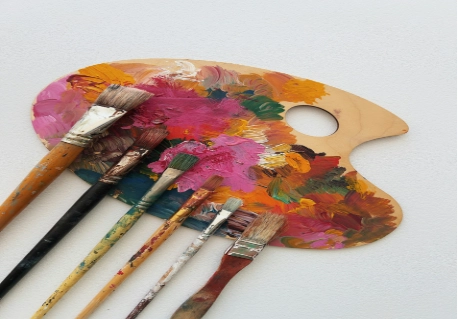
A quality brush needs to feel like an extension of your hand. It must hold the correct volume of paint. It should track your motions perfectly. It must also assist you in making the exact marks you picture in your mind. However, quite a few artists start out with an artist brush set picked merely based on cost or total piece count. The consequence can be pale color, harsh edges, shedding hairs, or tools that simply fail to fit the selected medium.
The ideal option relies on your personal painting approach, favored paint, working surface, and required level of control. A watercolor artist requires gentle fibers and high water capacity. An acrylic painter usually requires tougher bristles. An oil painter might look for brushes that handle thick color without losing their original shape.
This guide details how to pick a paint brush set that actually supports your creative work. It demonstrates practical methods to prevent restricting your artistic progress.
Start With the Way You Like to Paint
Before you compare different materials or brush sizes, consider the exact experience you desire at the easel. Certain artists favor slow, precise detail. Other painters lean toward wide color fields, rough edges, or noticeable strokes. Your individual painting style offers a much clearer starting point. This approach functions much better than just purchasing the largest artist brush set on the market.
Detailed and Controlled Painting
Artists who create portraits, botanical subjects, small miniatures, or highly realistic illustrations demand precise instruments. Small round brushes, sharp pointed liners, and dense compact filbert brushes manage to form eyelashes, delicate branches, thin highlights, and neat contours.
A proper set ought to contain:
- A fine round brush for tiny shapes
- A liner brush for extended, unbroken lines
- A pointed round for precise color placement
- A small filbert for smooth, soft edges
- A flat brush for distinct geometric sections
Examine the point very carefully when selecting these specific brush shapes. A detail brush that fails to snap back to a sharp tip will render careful work much slower. It will additionally decrease your overall accuracy.
Loose and Expressive Painting
Loose painters require brushes that react rapidly to shifts in pressure and direction. Large rounds, flats, filberts, and fan brushes manage to generate wide strokes, varied broken textures, gentle transitions, and energetic edges.
Do not presume that having more brushes automatically delivers more freedom. A well-balanced artist brush set featuring four or five highly useful shapes might support you much better. This setup functions more effectively than a massive collection of duplicate sizes. The brush must hold adequate color for a bold, confident stroke. At the exact same time, it needs to stay simple to control.
Match the Brush to Your Painting Medium
Paint acts quite differently depending on its thickness, drying speed, and specific water or oil content. Because of this, one single universal paint brush set seldom functions equally well across every medium. Aligning the bristle structure to the specific paint assists you in achieving neater marks. It additionally enhances color flow and yields much more reliable results.
Watercolor Brushes
A proper watercolor brush set requires excellent water capacity, a sharp fine point, and adequate spring to snap back into shape. Soft rounds prove highly useful for broad washes and fine details. Flat brushes assist in forming skies, buildings, and crisp hard-edged color blocks.
Urban sketching and outdoor watercolor painting have rendered portable brush options particularly important. A highly practical watercolor brush set could contain:
- One large round for broad washes
- One medium pointed round for common subjects
- One small round for tiny details
- One flat brush for structures and crisp edges
- One liner for thin branches, wires, and flowing marks
A small, compact selection lowers your bag weight. It additionally renders painting outdoors much easier. Xin Bowen provides artist painting tools sets that merge paint, brushes, drawing instruments, paper, and portable tabletop easels for highly convenient practice.
Acrylic Brushes
An acrylic brush set must possess sufficient strength to handle thick, fast-drying paint. Synthetic fibers remain widely utilized. They provide a firm spring, crisp edges, and much easier cleaning. Flat and bright brushes function exceptionally well for solid blocks of color. Filberts manage to form much softer forms.
Acrylic paint can dry right near the ferrule and render the fibers quite stiff. Pick an acrylic brush set that remains durable and very easy to rinse clean. Throughout a painting session, ensure used brushes stay slightly damp. Do not let them stand resting on their tips inside water.
For artists who wish to start without gathering every single item individually, our complete product range features painting kits complete with acrylic colors, brushes, palettes, paper, sketching tools, and sturdy easels.
Oil Painting Brushes
Oil paint brushes must push thick paint across the canvas. They need to stay firm while you blend colors. Stiff bristles often leave bold, clear marks. Meanwhile, softer hairs work well for glazing. They also help with smooth color shifts and fine details.
A good basic kit usually contains a few flats or filberts. You will also want a medium round and a small detail brush. Try to use different oil paint brushes for light and dark shades. Doing this stops your colors from turning muddy. Furthermore, it cuts down on washing time during long painting sessions.
Learn What the Main Brush Shapes Can Do
Brush names might look confusing at the start. However, every shape serves a distinct purpose. Once you understand how different brush shapes create edges or strokes, you can pick an artist brush set that fits your actual painting goals. This method is much smarter than buying based solely on the box design or the total number of pieces.
Round, Flat, and Filbert Brushes
Round brushes feature a thick belly and a sharp tip. They easily transition from a very fine line to a thick stroke when you press harder. Because of this, they are great for watercolor, precise details, curved lines, and basic painting tasks.
Flat brushes possess a straight top edge. They are perfect for blocking in colors, painting bold lines, making wide strokes, and forming sharp corners. A flat brush is an excellent tool for painting buildings, filling backgrounds, creating abstract art, and doing heavy acrylic painting.
Filbert brushes blend a flat shape with a curved tip. They are wonderful for painting flower petals, soft clouds, smooth skin tones, and rounded shapes. They also excel at gentle blending. Many artists consider filberts to be the most versatile brush shapes available.
Liner and Fan Brushes
A liner brush has long, thin hairs. These hairs store enough paint to draw long, unbroken lines. This makes the liner ideal for painting hair, tall grass, thin branches, words, sharp outlines, and tiny decorations. Keeping the paint flowing smoothly is more important than pressing down hard.
Fan brushes fan out their hairs into a broad, flat shape. They are great for smoothing out edges and adding leaves to trees. They also produce nice dry textures and allow you to make repeated marks easily. However, you should use them carefully. Too many fan marks can make a picture look stiff and unnatural.
Choose Sizes That Cover Real Tasks
Brush size numbers vary among different brands. Therefore, you should view the printed number as a rough guide, not a strict rule. Look closely at the brush width, the length of the hairs, the tip shape, and the handle. Consider the usual size of your artwork and the kinds of brushstrokes you make the most.
For smaller artworks, a handy artist brush set might feature:
- One small detail brush
- Two medium rounds
- One medium filbert
- One wide flat brush
- One liner brush
Bigger canvases demand larger brushes. Trying to paint a huge background with a tiny brush wastes a lot of time. Moreover, it usually results in a patchy, uneven finish. Conversely, using only big brushes makes it very hard to paint sharp, clean edges.
A well-planned set will provide a logical progression from covering large spaces to adding the final tiny touches.
Check Bristle Quality and Handle Comfort
Quality bristles must stay firmly in place. They need to hold a sharp edge or a fine point. Also, they must spring back to their original shape after every stroke. Falling hairs ruin the painting process. They can easily get stuck in dried acrylic or wet oil color. Furthermore, jagged, uneven hairs make it tough to paint straight lines and delicate details.
Always check the length and the balance of the handle. Short handles are great for working at a desk, painting small pieces, doing illustrations, and traveling. On the other hand, long handles let you stand further back from the canvas. This makes them ideal for easel work. Neither style is inherently superior. The best choice depends entirely on how and where you prefer to paint.
The metal ferrule must feel completely solid. It should not wiggle or spin on the handle. Additionally, the top edge of the ferrule must never cut or pinch the brush hairs. At Xin Bowen, we manage product design, manufacturing, quality testing, and packaging within a single unified system. Our dedicated teams carefully inspect raw materials and all finished items. This thorough process ensures consistent, reliable quality for every order you place.
Companies that require unique brush combinations, custom packaging, specific colors, or printed logos should explore our one-stop art materials service. We fully support OEM and ODM projects. Our services cover everything from choosing the right products and making samples to confirming designs, managing production, conducting inspections, and arranging final delivery.
Avoid Common Brush Buying Mistakes
The most common mistake is choosing a paint brush set only because it contains many pieces. Some large sets repeat similar brushes. They leave out the main shape needed for broad color, detail, or blending.
Other mistakes include:
- Using soft watercolor brushes with very heavy paint
- Buying only small brushes for large surfaces
- Ignoring handle comfort
- Mixing dried acrylic into a watercolor brush set
- Leaving brushes standing in water
- Cleaning oil paint brushes too aggressively
- Storing damp brushes in a closed case
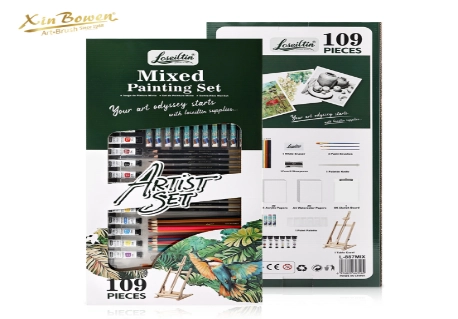
A lower piece count with useful variety is often the better purchase. Artists exploring several media may also benefit from a complete mixed-media kit. Our 109-piece painting tools kit brings together acrylic paint, watercolor, pastels, pencils, brushes, canvas panels, paper, a palette, and a tabletop easel.
Care for Your Brushes After Every Session
Brush care protects the point, spring, and paint-carrying ability of every artist brush set. Remove excess paint before washing. Clean water-based paint promptly with mild soap and water. Work gently from the ferrule toward the tip.
Reshape the fibers with your fingers. Dry brushes horizontally or with the tip facing upward. Never store them while wet. Acrylic requires immediate attention. Dried color can bind the fibers together. Oil paint brushes need a suitable cleaning process before a final wash with brush soap.
A clean, well-shaped brush produces more reliable strokes. It also lasts far longer.
Conclusion
The ideal artist brush set is not always the biggest or most expensive option. It is the one that matches your medium, painting style, working scale, and preferred level of control. Begin with dependable brush shapes: a round, flat, filbert, liner, and one larger brush for broad areas. Then select bristles with the right softness or strength for watercolor, acrylic, or oil paint.
Pay attention to the point, ferrule, handle balance, and comfort during longer sessions. A carefully selected paint brush set makes color easier to control. It reduces frustration while you learn. As your skills grow, add specialist brushes only when a real technique calls for them. Thoughtful selection and regular care will give you a smaller, more useful collection. This collection supports both practice and creative growth.
FAQs
Q: What brushes should a beginner artist brush set include?
A: A round, flat, filbert, liner, and wash brush cover most beginner techniques.
Q: How often should I replace my paint brushes?
A: Replace them when fibers shed, lose shape, split, or no longer hold paint evenly.
Q: Can one brush set work for watercolor, acrylic, and oil?
A: It can, but separate watercolor brush set and oil paint brushes usually perform better.