
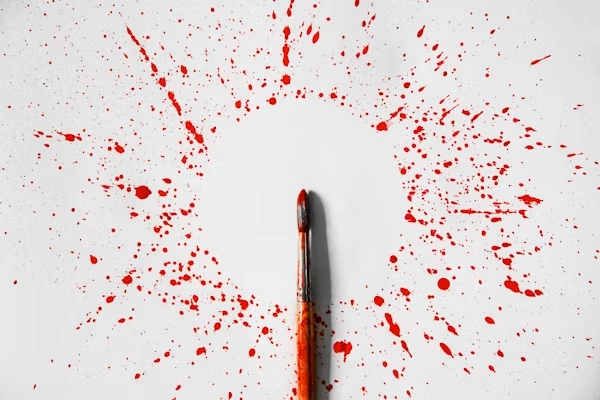
Art brush painting involves more than color alone. Each brush also moves in specific ways. It bends. It spreads pigment across the surface. It leaves distinct marks behind. Even a small change in brush shape can alter the entire feeling of a flower, a portrait, a landscape, or a piece of craft art. Beginners often find that the right brush makes the learning process much easier. Skilled artists gain cleaner details and richer textures from these tools.
At Xin Bowen, we supply art materials, painting brushes, sketching and watercolor products, pigments, and creative tools. Our products include different brush series for watercolor, acrylic, gouache, oil painting, craft painting, school use, retail display, and wholesale supply. In this guide, we examine how various brush types support specific painting techniques. We also show how artists can select the right tool to achieve better results.
Round Brush Techniques for Detail and Control
The round brush remains one of the most common tools in art brush painting. Its pointed tip and full body allow it to handle both small details and soft strokes with ease. Light pressure produces thin lines. Stronger pressure creates wider marks.
Before exploring detailed techniques, it helps to understand why the round brush sees such wide use. It serves as a flexible bridge between drawing and painting. Artists can outline a shape with it. They can fill a small area. They can also blend color edges without switching tools. These qualities make the brush valuable for watercolor brush work, acrylic brush painting, gouache illustration, and mixed media painting.
Fine Lines and Outlining
A round brush works well for fine lines when its tip stays sharp. Artists often use it to outline flowers, leaves, faces, small objects, and decorative shapes. The hand needs to move slowly. The brush should not carry too much paint.
Small Washes and Soft Edges
A round brush can also hold enough water or paint for small washes. This approach suits petals, shadows, skin tones, and small background areas
Artists create soft edges by painting the first color, rinsing the brush, blotting extra water, and then gently pulling the wet edge. This method produces smooth fading and avoids harsh marks. It proves especially useful in watercolor brush work. There, timing and moisture levels often determine the final effect.
Flat Brush Techniques for Bold Strokes and Coverage
Flat brushes stand out because of their straight edge and wide body. They serve as strong tools for bold strokes, square marks, clean borders, and large color areas. In art brush painting, flat brushes frequently appear in backgrounds, blocks of color, edges, and surface coverage tasks.
A flat brush may appear simple at first. Yet it can produce many different effects. When laid flat, it covers a wide area quickly. When turned on its edge, it creates thinner lines. This range of use makes the brush suitable for both large work and controlled shapes.
Broad Washes and Backgrounds
Flat brushes prove helpful when artists need to cover a larger area evenly. In acrylic painting, they lay down base colors effectively. In watercolor, they support soft background washes. In oil painting, they block in early shapes before any details are added.
To achieve smoother coverage, follow these steps:
- Load the brush evenly.
- Move in one direction first.
- Avoid pressing too hard.
- Add thin layers instead of one heavy layer.
- Clean the brush before switching colors.
Sharp Edges and Geometric Shapes
The straight edge of a flat brush makes it suitable for doors, windows, tables, buildings, borders, and abstract patterns. Artists press the brush evenly and pull a clean stroke. With enough practice, the brush can produce both hard edges and soft blended edges.
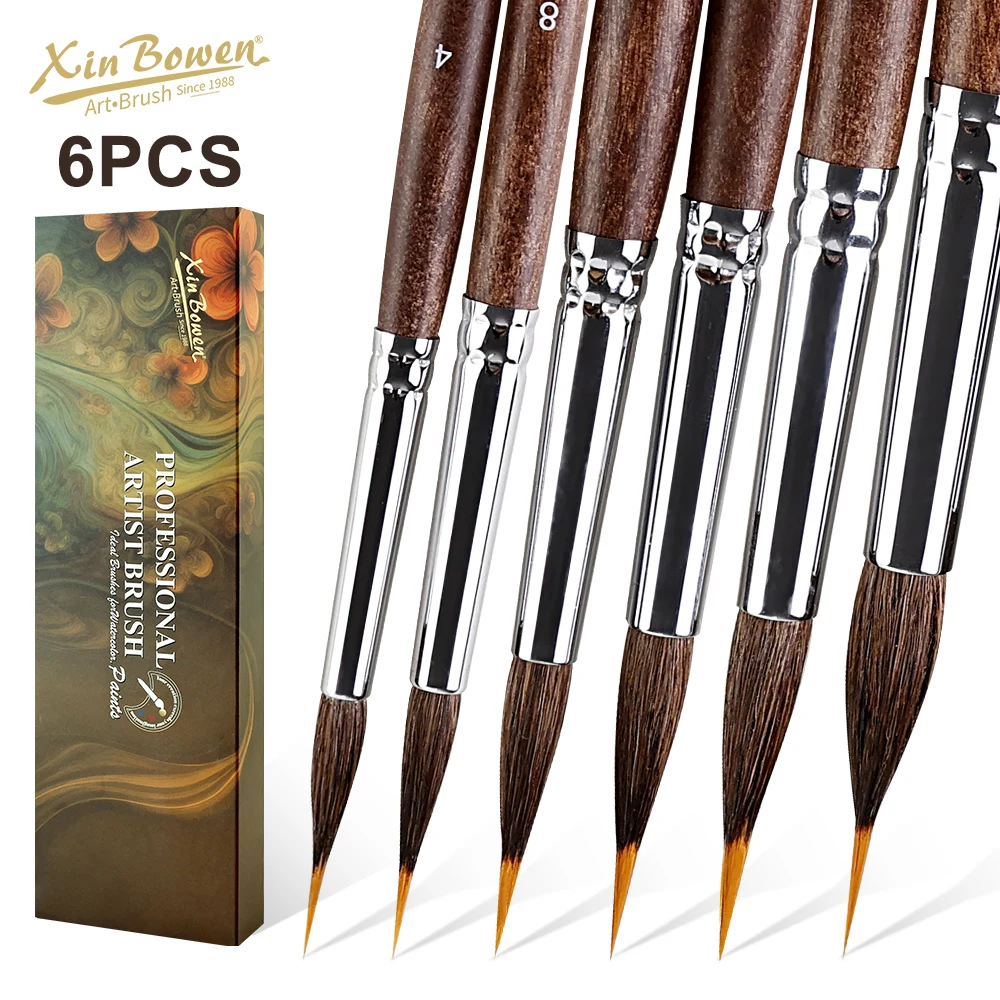
Our 5-piece artist paint brush set includes different options such as flat, round, fan, and mixed sets. This type of brush collection helps users who want to try several painting techniques in one package.
Liner Brush Techniques for Fine Detail Work
Liner brushes feature long, thin bristles. They are designed for fine lines, flowing strokes, calligraphy-style marks, and small details. In art brush painting, liner brushes become useful when a regular round brush feels too short or too thick for the task.
A liner brush can hold more paint than it first appears to hold. The longer hair accounts for this capacity. Artists can therefore draw longer lines without frequent stops. The brush works well for branches, hair strands, thin outlines, decorative patterns, and small lettering.
Long Lines and Decorative Strokes
Successful use of a liner brush requires paint that is slightly thinned. Paint that is too thick may cause the brush to drag or skip. Paint that is too watery may allow the line to spread. The best outcomes come from a smooth paint mixture and steady hand movement.
Small Details in Mixed Media Painting
In mixed media painting, small details often complete the final artwork. A liner brush can add highlights, outlines, fine marks, and finishing touches over watercolor, gouache, acrylic, or ink layers. It can also separate shapes that have grown too soft during the blending process.
Xin Bowen offers detail and liner brush products with nylon bristles, wooden handles, and metal ferrules. Our products are designed for different users, including students, hobby painters, studios, art schools, distributors, and retailers.
Acrylic Brush Techniques for Layering and Texture
Acrylic paint dries faster than watercolor and oil paint. This quality supports layering. Yet it also requires the artist to plan each step with care. Acrylic brush techniques commonly include base coating, dry brushing, glazing, stippling, and texture building.
Layering with Acrylic Paint
Layering stands as one of the primary advantages of acrylic painting. Painters often start with a base layer. They let it dry completely. Next, they apply details or highlights over it. Round brushes, flat brushes, and filbert brushes all work well with layering. Each type brings its own unique benefits. Artists value this process because it builds depth and richness in their work. The technique allows for gradual refinement. It supports both subtle adjustments and bold additions. Many professionals rely on it to achieve precise control over the final image. Proper drying time between layers prevents unwanted mixing of colors. This method remains essential for creating professional-grade acrylic artworks.
Creating Texture with Brush Pressure
Acrylics are highly flexible when it comes to texture, and it is all down to the amount of pressure applied to the paint. If you apply paint with a light touch, the paint will leave very thin lines and marks. By applying paint with greater pressure, you can create much stronger, thicker lines and marks. Dry brushing can also be used to create a rough, broken texture. Stippling involves applying small dots in high quantities to create grain and other texture and interest. Before applying paint to your work surface test the brush on spare paper to see how much paint has been picked up by the bristles and what the mark will actually look like.
Conclusion
Once familiar with using different brushes, the artist can get more out of his brush painting. A Round brush is used for details and for applications where soft strokes are required. A Flat brush is used for covering surfaces and creating hard edges. A Fan brush generates unusual textures and natural-looking effects. Liner brushes have very fine tips and are used for drawing very fine lines and for applying the final finishing touches to a painting. Each of the painting media such as Watercolor, Acrylic, Gouache, Oil and Mixed media require their own techniques for using brushes. The central principle for using brushes is to choose a brush for the stroke required for the job at hand. Xin Bowen provides a wide variety of Brushes, Painting Tools, Pigments and also Supplies for B2B customers. With the right selection of brushes and a little practice, the artist will be able to develop his own techniques and create more interesting artwork.
FAQs
Q: What is art brush painting used for?
A: It is used for watercolor, acrylic, gouache, oil, craft, and mixed media painting.
Q: Which brush is best for fine lines?
A: A liner brush or fine round brush works well for thin lines.
Q: Can one brush set cover different painting techniques?
A: Yes. Mixed brush sets can cover details, washes, blending, and texture.