
When painting, even the tiniest detail is important. For artists painting clouds or dense forests, the right brush is crucial to the result of their work. Among artists’ paint brushes, fan paint brushes are the most versatile, and many of these are unknown to artists.
Understanding the Fan Brush: Beyond the Basics
The Anatomy of a Perfect Fan Brush
A fan paint brush works well because of its special shape. It has a flat ferrule that spreads the bristles out like a fan. A good brush needs a rust-resistant ferrule to hold the hairs in place. Loose hairs can ruin a clean finish. The handle should feel balanced so you can move it easily across the canvas. Check that the fan spread looks even from the center to the edges. Professional ferrules are often double-crimped to the handle. This stops any wobble during strong blending strokes and keeps the brush steady in your hand.
Why Texture and Blending Define Your Style
The fan shape helps with two main jobs. It creates a clear painting texture and smooth gradients. The bristles spread out and place the paint in ways that flat or round brushes cannot match. You can work the paint without overdoing it on the surface. This matters when you want to avoid dull or muddy colors. Once you master the tool, you can build layers and turn a flat area into a rich, multi-dimensional piece. Use the edge of the fan for fine lines. Use the flat side to soften transitions. This gives you flexibility for both loose and detailed styles.
Deciphering Bristle Types: Synthetic vs. Natural
When to Choose Synthetic Filaments for Precision
Many artists choose synthetic fibers for acrylics. These fibers, often made from strong nylon, last long and keep a steady stiffness. They do not absorb water the way natural hair does. This makes them good for thick paints. If you do many repeated strokes, a synthetic brush holds its shape longer and keeps your painting texture sharp. The fibers are also easy on the skin and simple to clean. Studios that paint every day often pick them for this reason.
Why Natural Hair Excels in Soft Blending
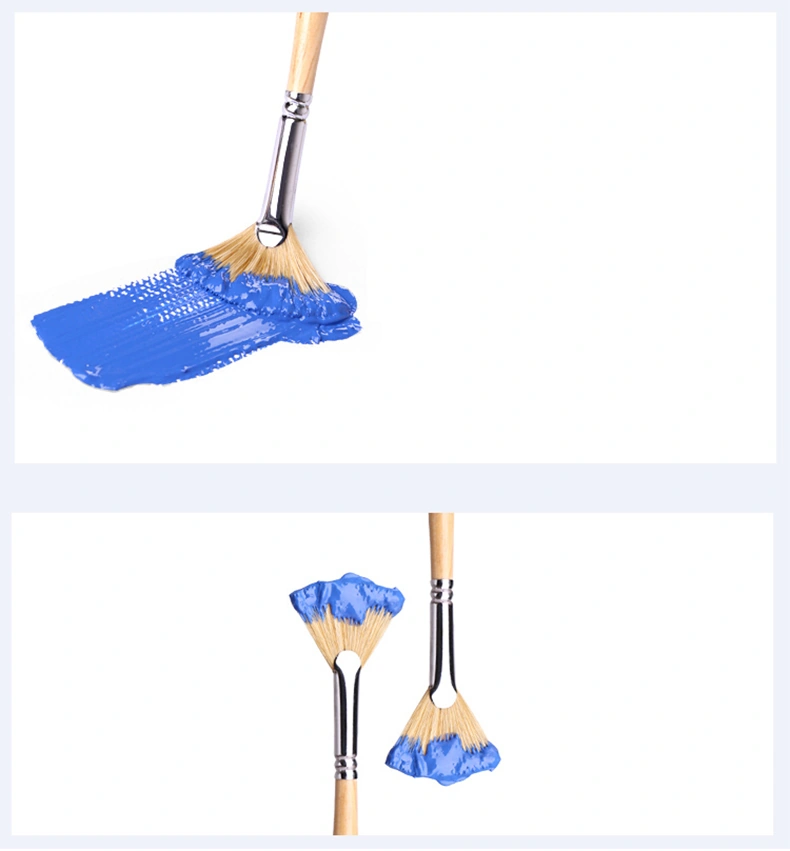
Oil painters who want long, smooth strokes often prefer natural hair such as hog or badger. The hair holds more paint and lets it out slowly. This helps create soft, even color changes with a fan brush blending. Our Fan Shape Bristle Hair Painting Brush Artist Paintbrush shows how natural hair should feel. It has good spring and keeps pigment well for smooth transitions. The natural taper of the hair gives a soft edge that some synthetic brushes find hard to copy. This makes it a top choice for glazing and light atmospheric work.
Key Factors for Choosing the Right Size and Stiffness
Matching Brush Size to Your Canvas and Subject
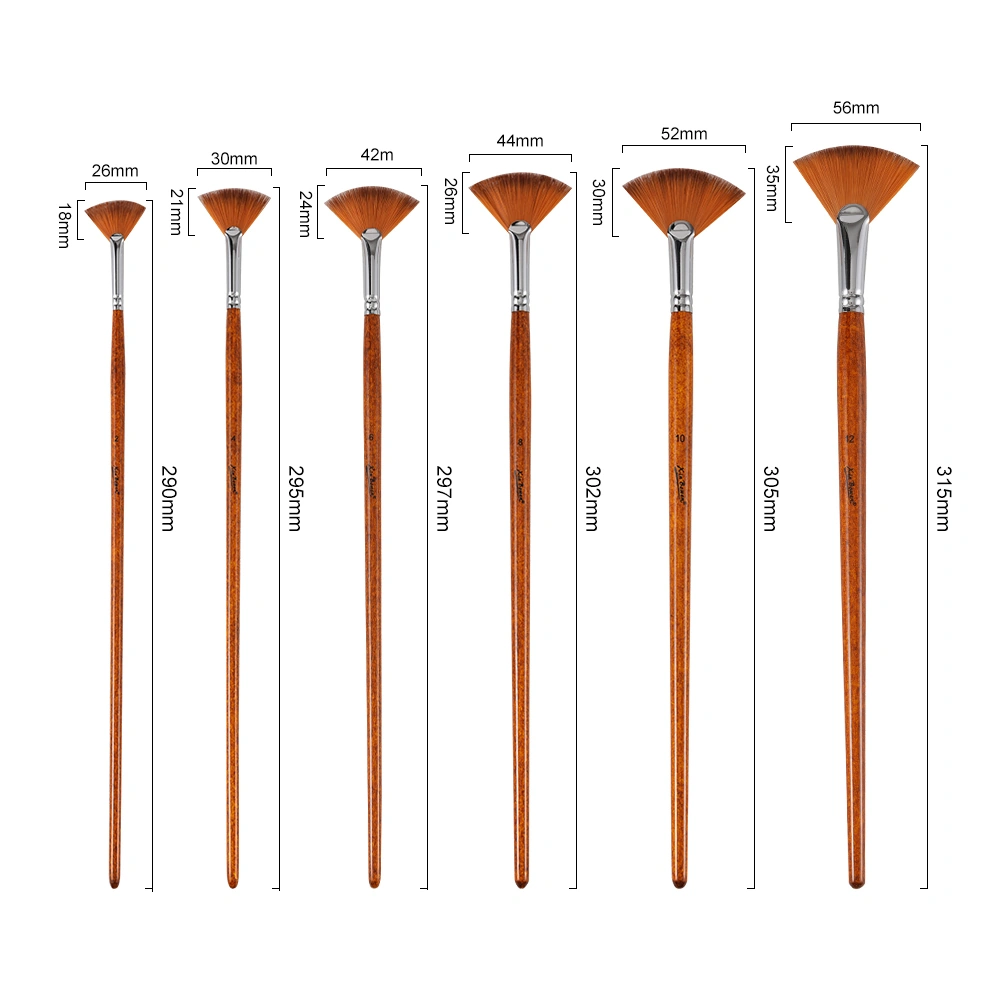
One of the biggest mistakes an artist can make when it comes to their brushes is to select the wrong size of brush for the job at hand and the space in which they are working. Large fan-shaped brushes are perfect for painting backgrounds and creating huge areas of foliage on trees, while smaller brushes are ideal for painting fine details and highlighting individual strands of grass or hair. Here at Xin Bowen, we hold an enormous range of different brush sizes and shapes to suit the needs of any project, and we also offer customized brush sets to schools and colleges to allow for different levels of ability to work with different sizes of brush. This means that the artist can switch between making large, expressive marks and painting fine details without having to stop and change brushes, thus maintaining the flow of their work.
Assessing Stiffness: How ‘Spring’ Affects Your Strokes
“Spring” is a term used to describe how far a brush returns to its original shape after it has been pressed. If a brush does not have a good “spring”, it will not paint and produce textures in fine detail. When painting from an easel, one needs a long handle to paint at a distance and to have proper perspective in one’s work. A very good brush that has these qualities is the Xin Bowen 4# Fan Head Paintbrush 579 Long Wood Handle. This paintbrush has great flexibility at the tip for fine detail and great rigidity in the handle for applying a lot of pressure when desired for expressive strokes. It also has balanced ergonomics to keep one’s hand steady while painting.
Essential Techniques for Achieving Professional Results
Mastering the Dry-Brush Technique for Texture
Another wonderful use of the fan brush is the dry-brush technique. With this technique, you can make pine needles, fur, and even weathered stone with a small amount of paint and a light touch to a dry surface. Use the fan shape of the brush to pick up and apply the paint in natural-looking patterns. The dry-brush technique gives your paintings a 3-dimensional look and feel that flat brushes cannot achieve.
Smooth Blending: Avoiding Streaks and Clumping
For a smooth gradient, move the brush in a light, steady rhythm. An X pattern often works well. Do not push down hard. A quality Xin Bowen artist paintbrush will blend without clogging. If you see streaks, wipe the brush on a clean cloth before you continue. This stops extra paint from building up and turning colors muddy. Light and repeated passes give the best finish.
Care and Maintenance to Extend Your Brush Life
Proper Cleaning Rituals for Longevity
A brush is an investment. After acrylics, rinse them right away with mild soap and water. For oils, use the right solvent, but do not soak the ferrule. This can loosen the glue inside. Good care matters for art studios and schools that watch their budgets. We often share customized cleaning guides with our school partners so their brushes last through many semesters. A few extra minutes to clean and shape the bristles after each use can add years to the life of your brush.
Storage Solutions to Keep Bristles in Shape
Never put brushes away with the tips pointing downward. This might make the bristles bend out of shape. They could end up with a fixed spread that stays that way. Instead, hang them with the tips up or lay them flat inside a case that lets air flow well. Put your brushes back in the box they came in, or use a roll made for brushes. These options keep the soft spread of the bristles safe from pressure. Good care for your brushes matters a lot in any artist’s daily work. It helps you hold on to the original shape of the bristles. That way, each fresh canvas gets the same fine tool you started with on day one.
Frequently Asked Questions (FAQ)
Q: How to select a fan paint brush for landscape painting?
A: For painting landscapes, medium to large-sized brushes are used and have a lot of spring to them. Hog hair brushes are best for painting landscapes because they hold lots of paint and create great strokes and textures for painting leaves and grass.
Q: What is the main difference between synthetic and natural fan brush hair?
A: Synthetic hair is typically stiffer and more durable than natural hair. It can be used for making acrylics and other heavy-body paints. Natural hair is very soft, absorbs much pigment, and therefore is especially appreciated by oil painters because of the wonderful color transitions it makes possible.
Q: How can artists achieve smooth fan brush blending?
A: Light cross-hatching. Try not to apply too much pressure with your brush. When your brush becomes too loaded with paint, wipe the front of the brush on a dry cloth to redistribute the paint on the brush’s fibers. This will allow you to make smooth blends instead of painty smears.
Q: Why is painting texture difficult with low-quality brushes?
A: Cheap brushes will have uneven hair or ferrules that break easily and will change shape after a few uses. Because they don’t hold a consistent shape to begin with, it’s very hard to recreate the same stroke and texture over and over again to get a realistic look.
Q: How to maintain the shape of a professional artist’s paintbrush?
A: After using your brush for cleaning, always shape the bristles with your fingers and allow the brush to dry in the air in a horizontal position or hanging down. Never allow your brush to stand up on its tip, as the fibers will be permanently distorted and become misshapen.