

For skilled creators, art teachers, and keen hobbyists, the gap between a basic outline and a lively work of art usually hinges on the accuracy of one mark. Getting consistent line control involves more than steady hand motions. It calls for dependable tools that react steadily to force.
Why Is Consistent Line Control Crucial in Pencil Art Drawing?
The Impact of Line Variation on Depth and Texture
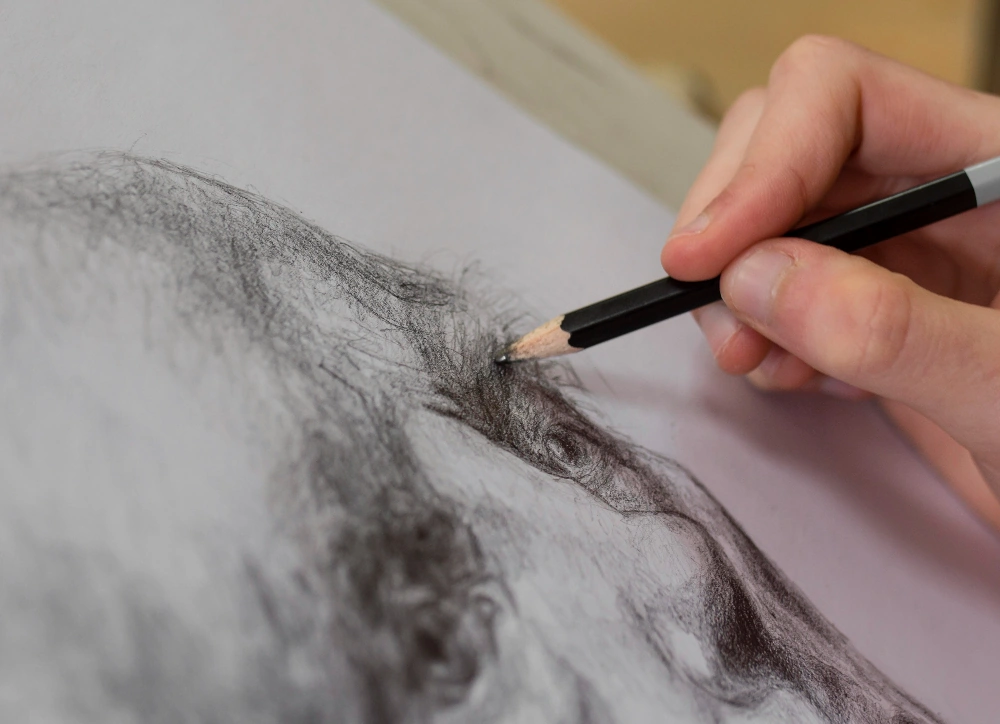
In professional graphite sketching, the ability to seamlessly transition from a sharp, clinical edge to a soft, atmospheric shadow dictates the realism of the artwork. If the core of a pencil is inconsistent, the artist loses the ability to maintain a stable pencil stroke. This unpredictability disrupts the illusion of depth, making fine textures look muddy rather than intentionally rendered.
Common Challenges Artists Face with Line Consistency
Numerous artists deal with wrist tiredness and sudden graphite jumps. These problems seldom stem from poor ability. Instead, they often arise from tools with misaligned centers or from drawing on rough surfaces. When an artist must keep changing their hold to fix an irregular tool, holding consistent line control during extended work periods turns into a real burden.
What Core Pencil Art Drawing Tools Enhance Precision?
Decoding Graphite Hardness: H vs. B Grades for Fine Lines
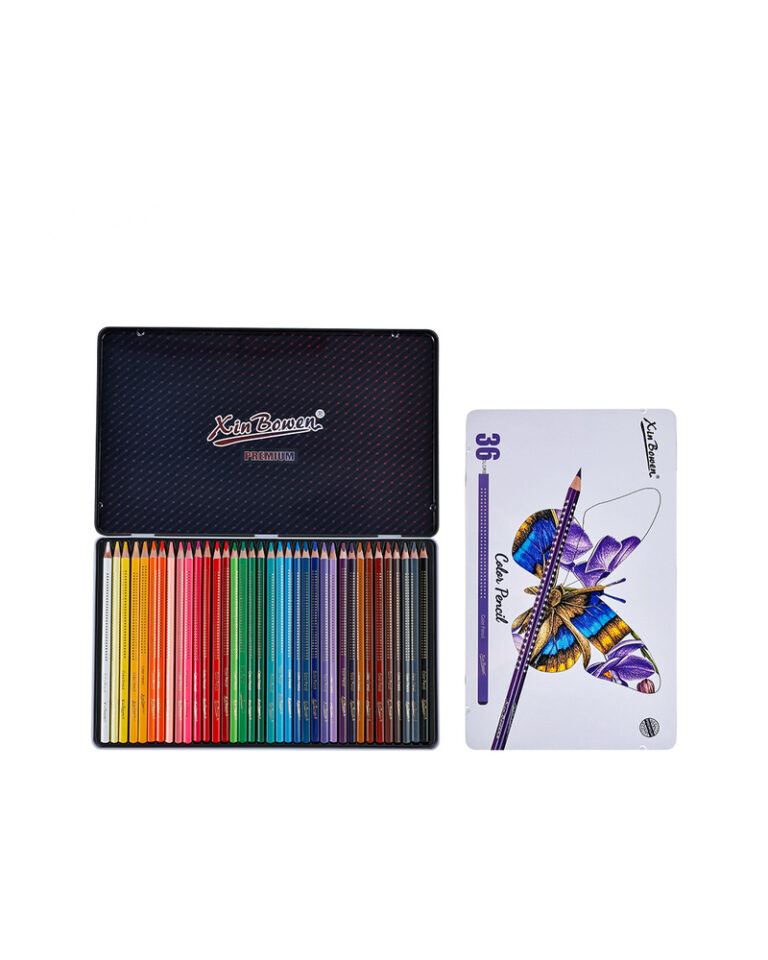
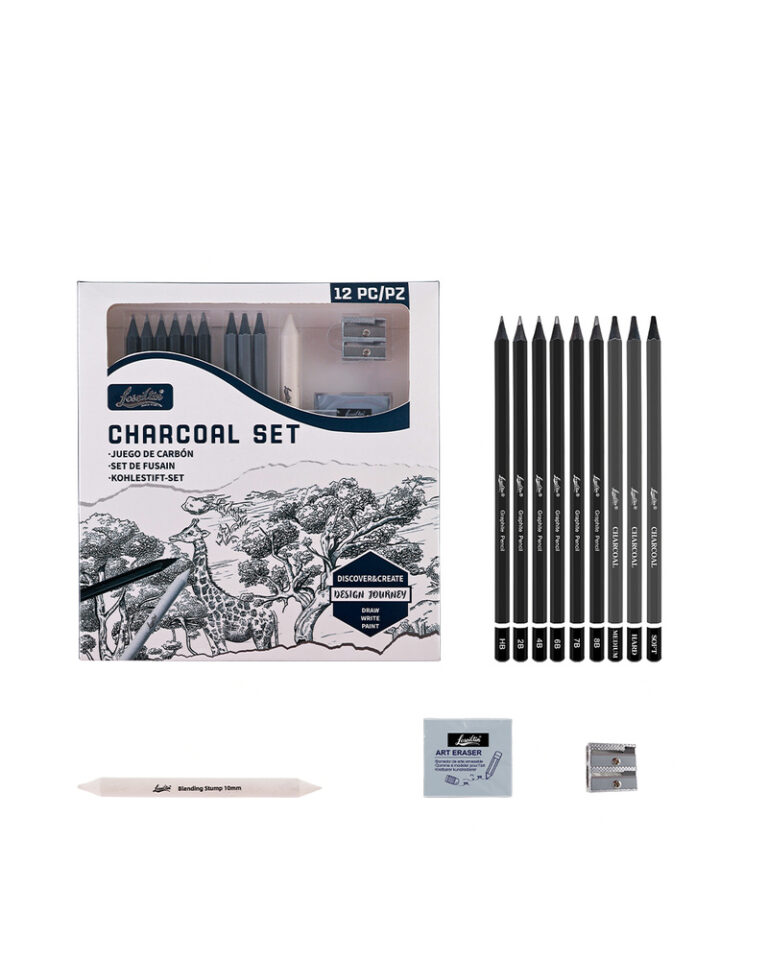
To master precise technical drawing, choosing the correct graphite grade is essential. Pencils in the “H” range feature a firmer core that resists dulling, making them ideal for laying down fine, unvarying lines without the tip widening mid-stroke. Conversely, the “B” range offers a softer, smoother laydown, allowing artists to build dark values without applying excessive pressure that could dent the paper.
Mechanical Pencils vs. Traditional Wooden Pencils
For those who need total sameness, fine-point mechanical pencils prove vital. Since the lead size stays fixed, the maker can pay full attention to their hand flow. At the same time, classic wooden pencils serve as the go-to for flexible shading and broad strokes. Access to each kind prepares artists for various tasks.
How Do Paper Texture and Quality Affect Your Strokes?
Understanding “Tooth” and Its Role in Graphite Retention
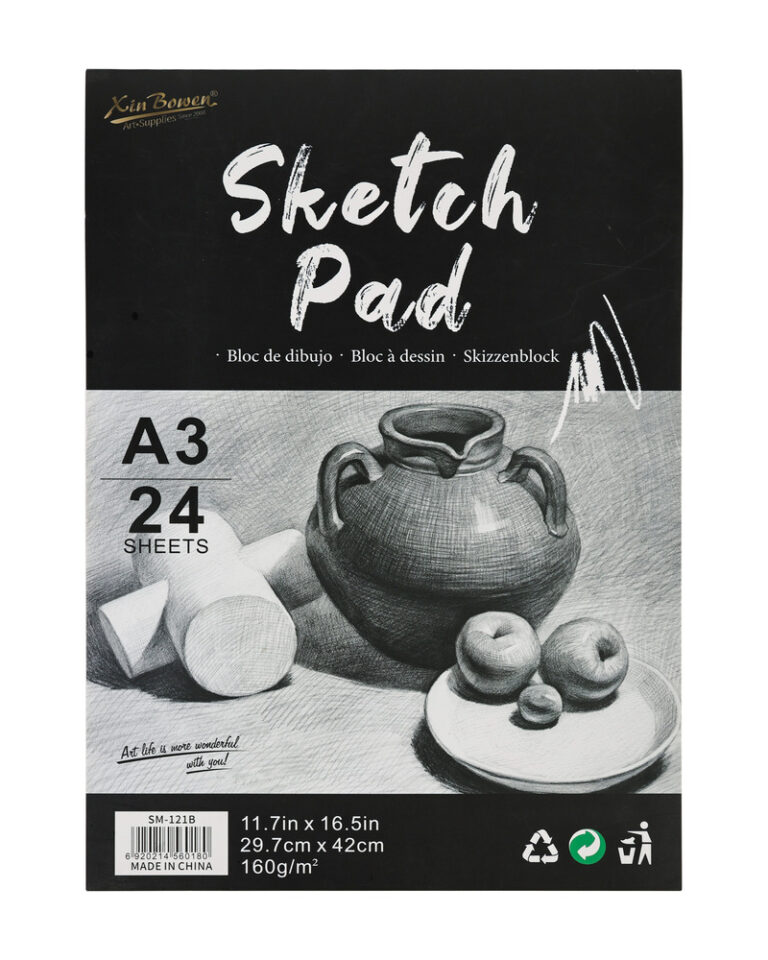
The “tooth” or texture of the paper decides how much graphite comes off with each swipe. For consistent line control, a balanced rough surface works best. If it’s overly sleek, the pencil glides too freely. If it’s too coarse, the marks turn rough. Our Xin Bowen professional sketchbooks feature a tailored tooth. This setup matches hold with ease. So, it supports smooth line transitions.
Why Acid-Free, Standardized Sketchbooks Matter for Archival Quality
The paper’s material counts as much as its feel. Sketchbooks without acid that meet global safety rules keep the paper from turning yellow or harming the graphite as time passes. A uniform production method makes sure every sheet gives the same pushback. Therefore, artists can develop steady habits and keep their style reliable.
Beyond the Pencil: Which Accessories Stabilize Your Drawing Process?
The Role of Ergonomic Easels in Maintaining Posture and Pressure
Physical stability dictates stroke stability. Drawing on a flat desk often leads to cramped wrists and distorted perspectives. By utilizing an ergonomic setup like our Xin Bowen Beech Wood Easel HPX-X2, artists can completely transform their posture. Featuring a folding drawer style and crafted from polished beech wood, this easel allows for a drawing height of up to 91CM. Shifting to a vertical or angled surface enables creators to draw from the shoulder rather than the wrist, which drastically improves stamina and allows for long, sweeping lines with perfect, consistent line control.
Precision Erasers and Blending Stumps for Refining Edges
Line control also involves the subtractive process. Utilizing high-polymer erasers and blending stumps allows artists to lift graphite and soften harsh edges selectively. These accessories help refine the boundaries of a stroke, ensuring the final pencil sketch artwork appears polished and deliberate.
How to Choose the Right Tool Sets for Your Art Studio or Business?
Evaluating Quality Standards and Safety Certifications
When getting bulk art supplies, even performance over many items poses the main hurdle. Since we oversee everything from buying to making, Xin Bowen promises that the initial pencil in a lot acts just like the final one. Our follow-through on CPC and EN71 certifications means you supply secure, top-notch tools to your learners or buyers.
Sourcing Comprehensive Sketch Sets from Reliable Manufacturers
We offer well-tailored options for worldwide sellers and learning centers. If your program needs a certain mix of graphite levels or if you want labeled sketchbooks and easels, our full production systems can handle it. Teaming up with a trusted provider ensures your people and pupils get customized art kits built to lift their work.
FAQ
Q: How can I improve my hand stability for Pencil Art Drawing?
A: Building steadiness starts with how you position yourself. Switching from a level table to an upright plane, like the Xin Bowen Beech Wood Easel HPX-X2, lets you rely on arm strength over just the hand. This wider movement cuts down on shakes a lot. It also helps you gain stronger, consistent line control.
Q: Which graphite grade is best for maintaining consistent line control?
A: To keep steady, narrow marks, “H” grade graphite pencils (like 2H or 4H) fit best. Their firmer makeup keeps the tip keen for longer. So, it stops the mark from growing thicker without warning as you work.
Q: Does the texture of sketchbook paper impact fine line drawing?
A: Yes. The feel, called the “tooth,” supplies the drag required to catch the graphite. If the paper feels too even, the pencil will slide, spoiling your consistent line control. Regular, medium-tooth paper gives the right hold for reliable marks.
Q: Should beginners use mechanical or traditional tools for precise technical drawing?
A: Mechanical pencils suit newbies aiming for exactness since the mark thickness stays the same. Yet, mastering force on a classic wooden pencil matters for full growth as an artist. We suggest beginning with customized collections that hold both. This way, you gain broad abilities.
Q: Why do shading strokes sometimes look uneven or scratchy?
A: Rough marks often come from dirt in cheap graphite or a cracked inner center. When the lead lacks density or evenness, it hops over the paper. Moving to pro-level tools with aligned, clean centers will fix this. It will also boost your Pencil Art Drawing standard.