

Both the painting knife and the palette knife play essential roles in modern studio practice. Artists often use these tools interchangeably, yet their structural and functional differences significantly influence the outcome of a painting. Whether working with thick oil pigments or smooth acrylics, knowing how each tool behaves can transform texture, blending, and overall visual impact. This article explores the difference between painting and palette knife designs, their uses in creating expressive surfaces, and how professionals select and care for them in long-term practice.
Overview of Painting Knives and Palette Knives
Before we dive into their exact differences, let’s clarify what each tool does in the art workflow. Both fall under mixing paint tools. Yet, they handle distinct tasks in reading or spreading color.
What is a Painting Knife?
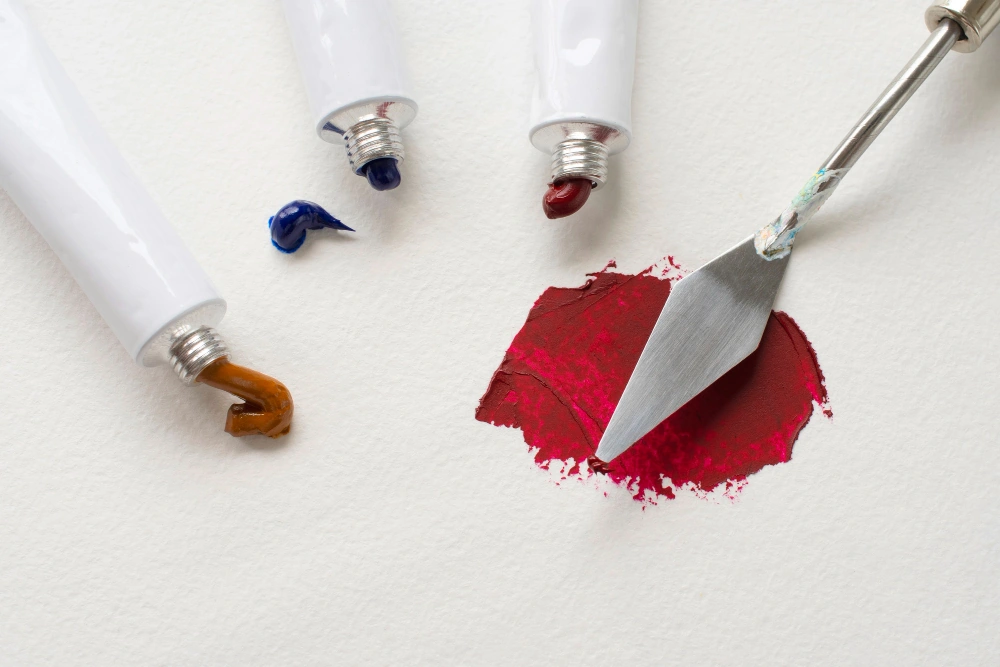
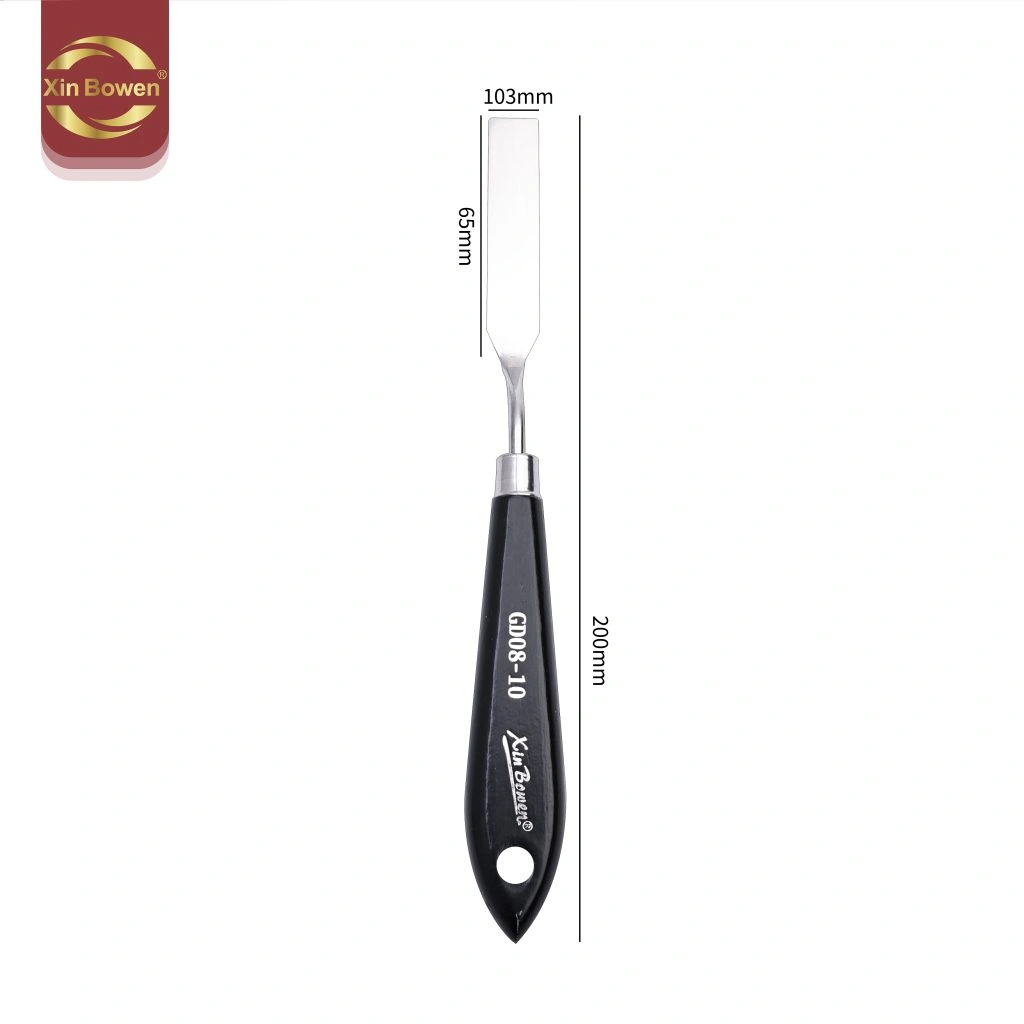
A painting knife aims to spread paint right on the canvas. It has a bendy, sharp, or curved blade that’s perfect for building rough textures and bold marks. The raised handle stops the artist’s hand from brushing the wet paint. This lets you move freely over fresh coats. In top-quality versions like the Xin Bowen 4CR13 Stainless Steel Painting Knife No.10, workers hand-heat and sharpen each blade. They do this to guarantee a steady bend and a strong build.
The blades get special care to shield them and boost color spread. Such care lets artists shape thick buildup layers with grip much like a brush. But it gives clearer lines.
What is a Palette Knife?
A palette knife mainly mixes paints on a flat board. It does not apply them straight to the canvas. The handle runs in line with the blade. This setup aids steady hold during stir motions. The blade tends to be wider and less sharp than a painting knife’s. Thus, it suits even color joins without pulling in extra air or dirt from pigments.
Structural Differences Between Painting and Palette Knives
The way these tools are built shapes how they deal with paint thickness and surface feel.
Blade Shape and Design Variations
Painting knives usually show angled or gem-like blades. These allow exact color placement near borders or tips. Palette knives often have square or soft-edged blades. They fit well for joining large amounts of color smoothly on boards.
Xin Bowen Palette knives stand out as fine metal painting knife options at fair costs. Our user-friendly coating with firm brass rings boosts grip ease in repeated actions like scraping or smoothing heavy acrylics. The No.5 Welded Joint Artist Scraper Painting Knife shows this mix. It’s joined the spot links, blade, and handle firmly. So, it lasts long without losing its spring.
Handle Alignment and Ergonomic Design
Raised handles on painting knives hold hands clear of damp areas. At the same time, they keep a steady hold at sharp tilts. This suits stacked designs or rough bases. Straight handles on palette knives aid side-to-side mixing on level boards. There, exact force matters less. Handle stuff ranges from timber to plastic. Xin Bowen picks smooth-sanded beech wood handles. We dye them only after polishing to skip rough spots or flaws. This brings both ease and lasting use.
| Feature | Painting Knife | Palette Knife |
| Handle Type | Offset | Straight |
| Blade Shape | Pointed / Diamond | Broad / Rounded |
| Primary Use | Applying paint | Mixing paint |
| Flexibility | High | Moderate |
Functional Applications in Artistic Practice
Artists switch between these tools at various steps. They go from color setup to last touches.
Using a Painting Knife in Artwork Creation
Painting knives shine in buildup methods that stress depth and touch feel. They let you keep colors apart without accidental joins on canvas. Experts use them to scrape, stack, or make crisp-bordered abstract looks. These recall carved shapes.
Workers hand-heat and sharpen each blade. This ensures a steady bend and strong build. Such skill aids soft tweaks when pulling dense oils over rough canvas threads.
Using a Palette Knife for Paint Preparation
Palette knives make sure colors blend evenly before you spread them. They mix paints fully without soaking up the base as brushes might. Also, they block dirt between shades when you handle many colors at once. This proves key in palette knife painting. There, blended tones stay clean until you use them.
Artistic Effects Achieved with Each Tool
Various feelings come up based on the knife you pick for certain work parts.
Textural Qualities Produced by Painting Knives
Painting knives form lifted carved feels that bring real depth to pieces. Changes in push create natural but guided lines. Light slides make see-through layers. Strong presses build thick color ridges. These shifts boost sight flow over areas set with tough stuff like oil or acrylic bases.
Surface Smoothness from Palette Knife Mixing Techniques
When you use them just for setup, palette knives aid uniform joins. They avoid catching air in thick stuff like oil colors. They keep color cleanness by cutting over-stir risks. This matters a lot for steady shade steps before you start with brushes.
Choosing Between a Painting Knife and a Palette Knife
Picking one over the other hinges on your art goal, how the paint acts, and the desired end look.
Factors Influencing Tool Selection
Abstract artists might choose bendy metal painting knives for lively carved results. Realists turn to palette knives for even shifts between shades. The paint kind counts too. Oil colors gain from stiff steel blades that clear extra coats neatly. Acrylics work fine with lighter stainless-steel kinds. These release fast from non-stick spots like primed boards.
Recommendations for Professional Artists and Enthusiasts
Many experts blend both tools. Palette knives manage setup. Painting knives handle the end spread steps. Trying out different blade forms helps find your preferred mix of bend and exact hold. Right clean habits after work keep edges keen. Wipe right away to stop hard leftover buildup. That could harm later use.
Maintenance and Care Tips for the Longevity of Knives
Regular upkeep stretches tool life a lot. This is true especially with biting paints like oils with seed binders.
Cleaning Practices After Each Session
Wipe blades at once after you finish. Use gentle cleaners that match your paint type. Try turpentine for oils or water cleaners for acrylics. Skip long dips. They might pull wood handles loose from metal rings over time.
Storage and Preservation Methods
Keep knives level in guard covers or special spots. This stops chance bends in slim steel ends. Always dry the handles. Wetness can twist wood holds or weaken glue ties that fix metal parts.
For those seeking professional-grade tools that balance ergonomics with precision, the Xin Bowen No. 4 Professional Metal Knife Spatula is an ideal example. Its design highlights the seamless match between the ergonomic handle curve and the tapered blade, ensuring both comfort and durability for high-end studio work.
Xin Bowen brings over 15 years of know-how in making and tailoring as a standalone label that blends making and selling. Our check team watches the buying and making steps closely. At any point in the making, we track the work. We stay in touch with buyers anytime. The firm’s key items include brushes, paints, easels, sketch kits, shaping tools, kids’ art lines, and more. All reach worldwide via online sales in Europe, North America, South America, and the Middle East. The plant covers roughly 5,000 square meters. Papers like CPC, EN71, and MSDS prove they meet global safety rules. This pledge means every metal painting knife from our site fits professional needs for lasting strength and work in the art fields.
FAQ
Q: What is a painting knife used for in fine art?
A: A painting knife spreads thick colors straight onto canvas to build a feel through buildup ways or scrapes current layers neatly without blurring base shades.
Q: How does a palette knife differ from a painting knife?
A: The main difference lies in function—a palette knife mixes colors on flat palettes using straight handles, while a painting knife applies paint via offset blades designed for controlled surface contact.
Q: Which tool works best when mixing oil paint?
A: A stainless-steel palette knife provides superior blending efficiency because its smooth surface prevents pigment absorption common with brushes during extended mixing sessions.
Q: Are metal painting knives suitable for beginners?
A: Yes; stainless-steel models offer balanced flexibility ideal for learning pressure control while resisting corrosion better than plastic alternatives often found in starter kits.
Q: How should artists maintain their palette knives after use?
A: Immediately wipe off residual paint using appropriate solvent per medium type, then store flat inside protective sleeves away from moisture exposure to preserve alignment integrity over time.