
Why Are Fox Fur Watercolor Brushes Gaining Popularity in 2026?
The Rising Demand for Premium Natural Hair Brushes in Fine Art
In recent years, the fine art community has witnessed a significant shift back to premium natural materials. Professional creators, educational institutions, and passionate art enthusiasts are increasingly seeking tools that offer expressive freedom rather than rigid control. As techniques evolve, the demand for natural hair brushes that can handle heavy washes while maintaining a precise point has skyrocketed.
What Makes Fox Fur a Unique Medium for Watercolors?
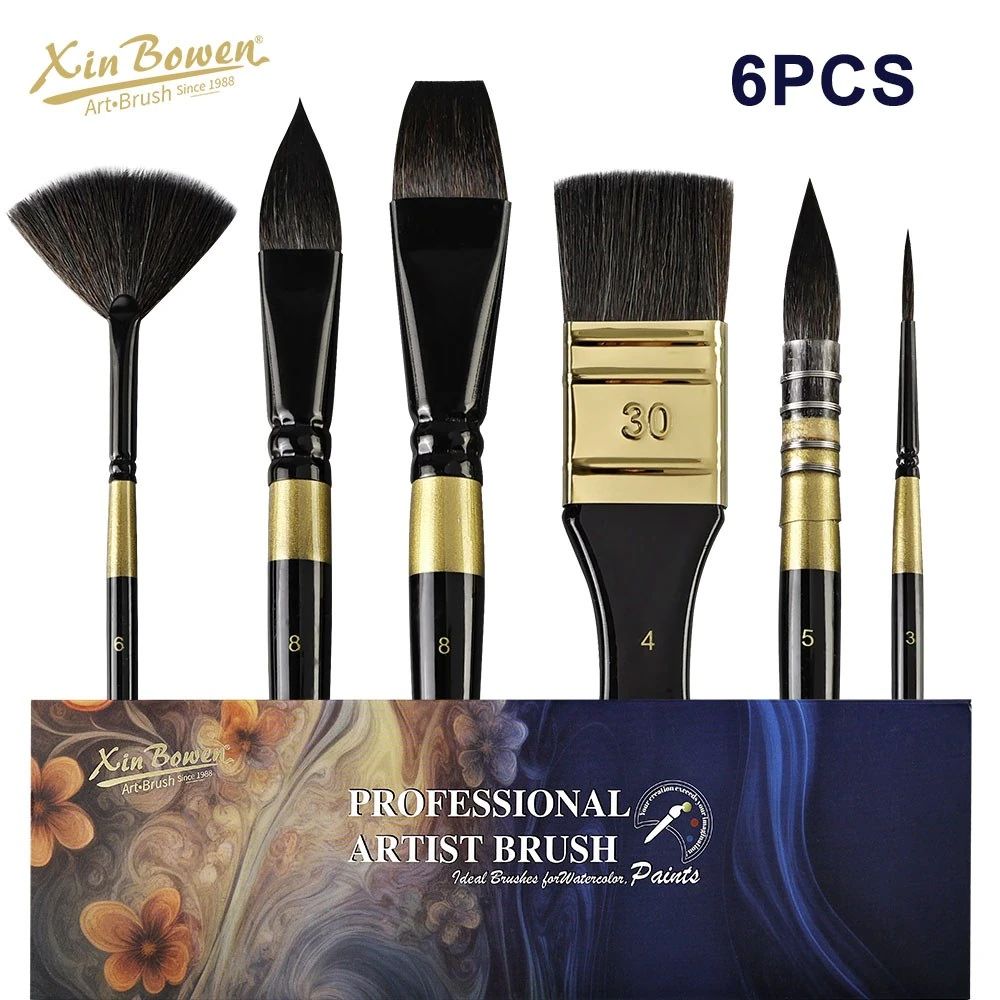
Among natural options, the fox fur Watercolor Brush stands out due to its unique structural composition. Unlike boar bristle, which is hard and primarily used for oil painting without changing shape, fox fur offers an exquisite balance. It provides the delicate touch required for watercolor without sacrificing the structural integrity needed to guide the pigment across cold-pressed paper.
Decoding the Material Properties of Fox Fur Brushes
Natural Capillary Action: Exploring Water Retention Capabilities
The top traits of animal hair come from how it holds water. On a tiny scale, the hair has a rough outer layer. This catches water and color. The pulling effect lets painters spread long, even color lines. They do not need to refill the brush often. For skilled painters, animal hair brushes rank as essential tools. This happens because of that pulling power.
Softness vs. Spring (Snap): Finding the Perfect Painting Balance
Painters often face the issue of a brush that feels too limp in watercolors. Art brushes rarely use tough hairs. That is, unless they serve oil or heavy tasks. Fox fur fills this space well. It matches the smooth feel of squirrel hair. Yet it has a built-in bounce. This lets the tip snap back to shape right after touching the paper.
In-Depth Performance Review: How Do Fox Fur Brushes Actually Paint?
Achieving Ultra-Fine Lines and Intricate Details
In a close look at how these brushes work, the first standout is how they hold their tip. Even with lots of water, a good fox fur brush forms a fine point like a needle. This helps pros draw detailed plant parts or thin building lines. They do not have to grab a tiny detail brush.
Color Laydown, Glazing, and Blending Capabilities
Because the material properties allow for a controlled release of fluid, the color laydown is exceptionally smooth. When glazing—layering transparent colors over dried washes—the soft fur will not disturb the underlying layers. Blending becomes an effortless sweep, avoiding the harsh streaks sometimes left by stiffer synthetic fibers.
Shape Retention Over Time During Long Painting Sessions
Durability during extended painting sessions is a key metric of performance. Fox fur maintains its structural integrity remarkably well. It doesn’t splay or split easily when damp, ensuring that the artist’s intended strokes remain consistent from the first hour of painting to the last.
Fox Fur vs. Other Brush Materials: Which One Should You Choose?
Fox Fur vs. Traditional Kolinsky Sable and Squirrel Hair
Kolinsky sable wins praise for its bounce. Squirrel shines in holding water. Fox fur acts as the ideal mix. It breaks less than squirrel hair. This makes it kinder for painters who use bold, wide strokes. Yet it holds more moisture than regular sable.
Natural Fox Fur vs. Premium Synthetic Alternatives
For artists looking for vegan options or highly durable alternatives, modern synthetics are phenomenal. For instance, our Xin Bowen Professional Watercolor Brush Set – Synthetic Squirrel Hair (6pcs) is engineered to mimic the exact water-holding characteristics of natural squirrel and fox hair. Nylon has better elasticity, water absorption, and easy cleaning. It is suitable for acrylic painting and watercolor painting, and the public also prefers these types because they are easy to operate.
How to Clean and Maintain Your Natural Fox Hair Brushes?
Best Practices for Washing and Shaping After Use
Proper maintenance ensures your investment lasts. Always rinse your natural hair brushes gently in cool water immediately after use. Avoid harsh chemical soaps; instead, use artist-grade brush conditioners. Reshape the brush head to its natural peak with your fingers before laying it flat to dry.
Restoring Bent Bristles and Maximizing Brush Lifespan
Animal hair has some give. Bristles may curve in shipping or bad storage. That is common. For your fox fur brush, just dip it in warm water. This brings them back to their normal look. With good keeping, a fine brush lasts over 3 years.
What to Look for When Sourcing High-Quality Watercolor Brushes?
The Importance of Quality Ferrules and Eco-Friendly Adhesives
When buying brushes for schools or shops, small parts count. At Xin Bowen, we pick fine copper links. They make the whole brush firm and nice to see. Also, we apply corn glue. It is a green, safe, natural stick that cleans easily. This joins our brushes for lasting strength.
Why Partnering with an Experienced Manufacturer Like Xin Bowen Matters
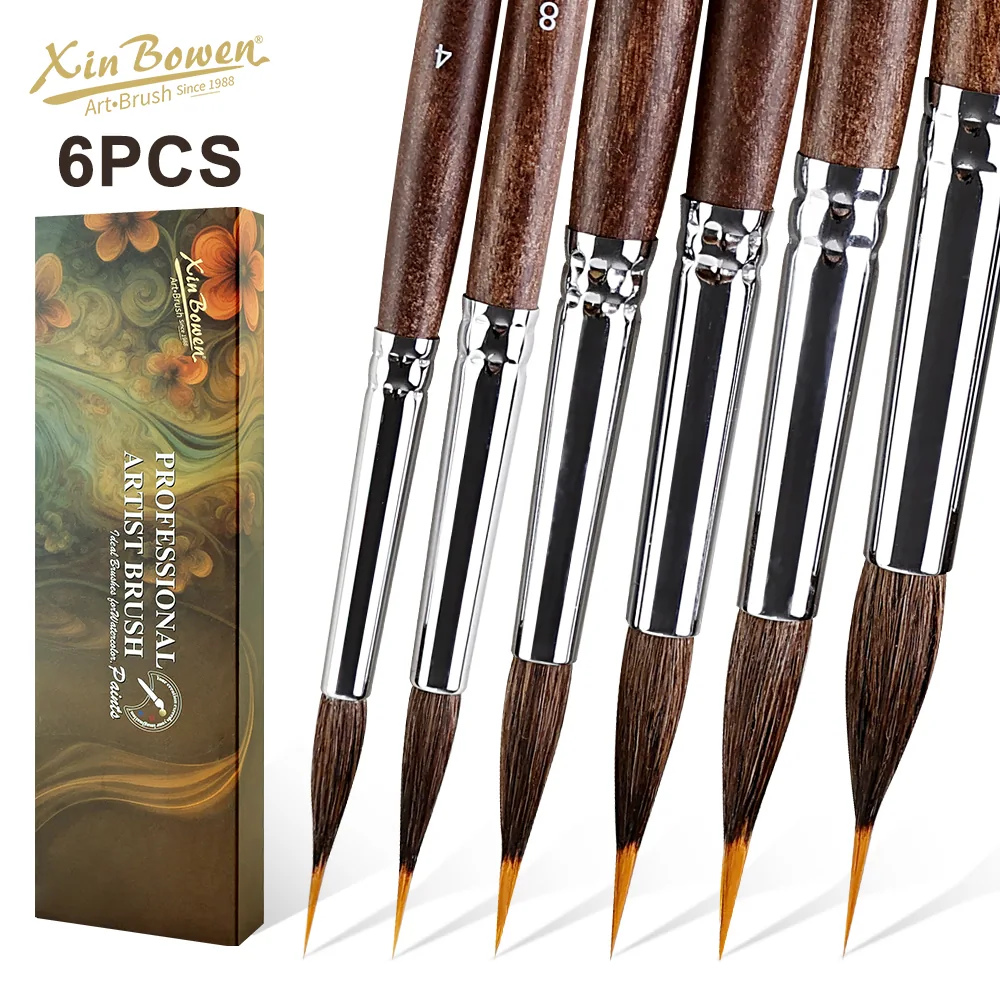
Xin Bowen brings over 15 years of experience in making and tailoring. We run as our own label with full trade ties. We sort brushes by user types. This gives clear groups for newbies and experts. For the best mix of new ideas, our Xin Bowen 6 Size Animal Fur Nylon Tips Professional Watercolor Artist Brush blends animal hair’s soak-up with nylon’s strong bounce. We check every step in making and packing before sending. You get ready stock or fully customized orders. We fit solutions to your art needs.
FAQ
Q: Are fox fur watercolor brushes good for beginners?
A: Yes, they suit new painters well. They help feel pro water handling. Master brushes use top animal hair and exact copper bands. But starting with natural traits teaches water control. Newbies learn without tool struggles.
Q: What are the material properties of natural fox fur brushes compared to squirrel hair?
A: Both hold water well from their rough layers. But the main gap is stretch. Squirrel hair stays very soft. It lacks bounce, so it droops. Fox fur has better natural give. The tip sharpens fast after each line.
Q: How do the performance characteristics of a fox fur watercolor brush affect water retention?
A: The tiny build of the hair works like a sponge. This trait lets the brush take in much water and color. It lets out slowly and even on paper. So you paint long lines without dipping back to the colors often.
Q: Can I use hot water to clean my natural fox fur watercolor brush?
A: Stay away from very hot water. It harms the hair’s oils and weakens the band glue. But for bent hairs from travel or use, a mild warm water soak fixes the shape and gives a natural look.
Q: Are there synthetic alternatives that match the performance of a natural fox fur watercolor brush?
A: Yes. Natural hair has special ways, but new makeup brings strong fakes. Xin Bowen has fake squirrel sets and animal/nylon mixes. They copy the real water hold. They add lasting strength and stretch from fine nylon.