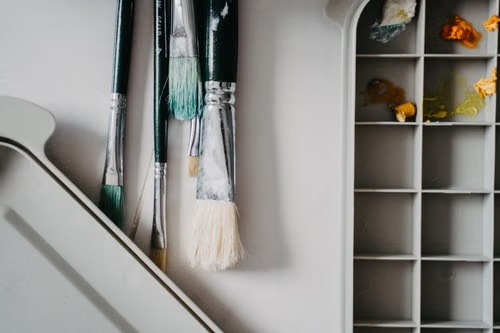

Wayward bristles might appear to be a minor defect only at first glance. However, in the case of an art retailer, distributor & school supplier or a private-label buyer this minor problem can become quite expensive. This regular complaints results in refunding of products to the customer. The fact is that these problems also require goods to be sent for replacement. They creates tough conversations with the plant as well. The 2026 creativity trend report showed a huge increase in online searches for practical craft projects. Painting is getting more beginner friendly now. It indicates that many customers cannot determine the difference between natural early shedding and poor brush assembly.
B2B purchase teams need to recognize paint brush shedding as a serious risk in quality control. Careful examinations can show precisely when the bristles come out. These tests confirm whether the defectonly affects a few pieces. Also, good testing identifies adjustments in the factory. The key is that these fixes need to occur before a large order from wholesale goes out.
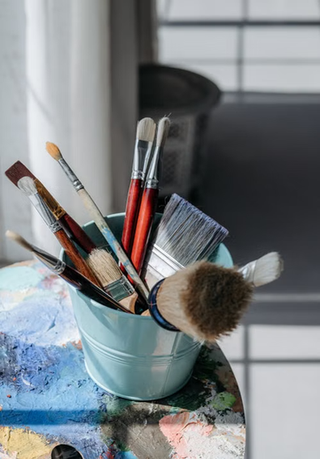
Why Is Paint Brush Shedding a Commercial Problem in 2026?
With buyers now leaving reviews for small defects, they are very visible. The excessively yellow syringe that you stuck the bristles in to keep them from bleeding out into a puddle of paint on your wet canvas is easy enough for anyone with an iPhone and poor framing skills. The end user almost never understands the underlying cause. They are unaware yet whether the fault was due to bad cutting, a loose metal ferrule or rough washing. Their reviews are just about the shedding. Consequently one negative comment spoils the entire product page. It ruins sales not only of that one particular unit.
Now the move in market for synthetic paint brushes creates another difficulty. The details of the synthetic brush performance change. Which consist of the filament thickness and taper, material mix, crimp style as well as internal ferrule adhesive. Simply the presence of "Nylon" does not equal quality. The word naploeon does not provide a great guarantee of quality.
For global buyers and importers, the true financial cost involves:
processing refunds and shipping out replacements;
dropping star ratings on digital storefronts;
wasted hours spent on customer support;
dead inventory tied to that specific production run;
hurried quality checks before placing the next purchase;
damaged consumer faith in the private label brand.
This reality shows why a low initial unit price often gets very expensive after the market launch. Effective brush quality control has to begin during the actual assembly phase. After that stage, the checks must track the product through washing, live painting tests, final packing, and shipping.
Where Does Paint Brush Shedding Begin?
Shedding of paint brush bristles almost never comes from one singular reason. This specific defect could occur within the bristle bundle. This can also begin in the metallic ferrule. Often, you suspect the glue. It could even be from the way a factory packs finished product. Such root causes can be separated and identified in a useful facility audit. A smart audit never draws conclusions from a single, fast pull test. It also does not take unclear supplier assertions of "contractor" level quality into account.
Loose Fibers Can Remain After Shaping and Trimming
Fine artist paint brushes are made from individual filaments. A tiny or choppy piece are often unwanted during the slicing as well as brushing and also suggestion designing pieces. Those pieces are hidden inside the main package. The key is that if they are not removed by factory staff before the gluing, the loose pieces will fall out later. That is usually the first dry brush stroke or water wash. A little premature dished too early does not lead you into the tool being defective for life. A commercial buyer will however have to set some firm tolerance limit.
In the case of quality sampling, it must be enough brush sizes and head shapes. Large flat brushes contain far more individual fibers than a small detail tool. Simultaneously, a transition brush could behave much different while blending colours. Inspectors should count the specific number of loose hairs found on each unit tested. They should never just write up a simple "pass" or even a "fail", especially without photographic evidence!
Ferrule and Adhesive Faults Create Ongoing Loss
It is a two-part mechanism in which the ferrule must not only grip the fiber bundle, but also attach firmly to the handle. When it reaches a point where the inner adhesive does not stick deep enough, fibers will pull out of frequent wet use. That also causes this issue with a non uniform cure. Similarly, bad crimping can cause the ferrule to move. The problem can grow once water and paint find their way into a gap.
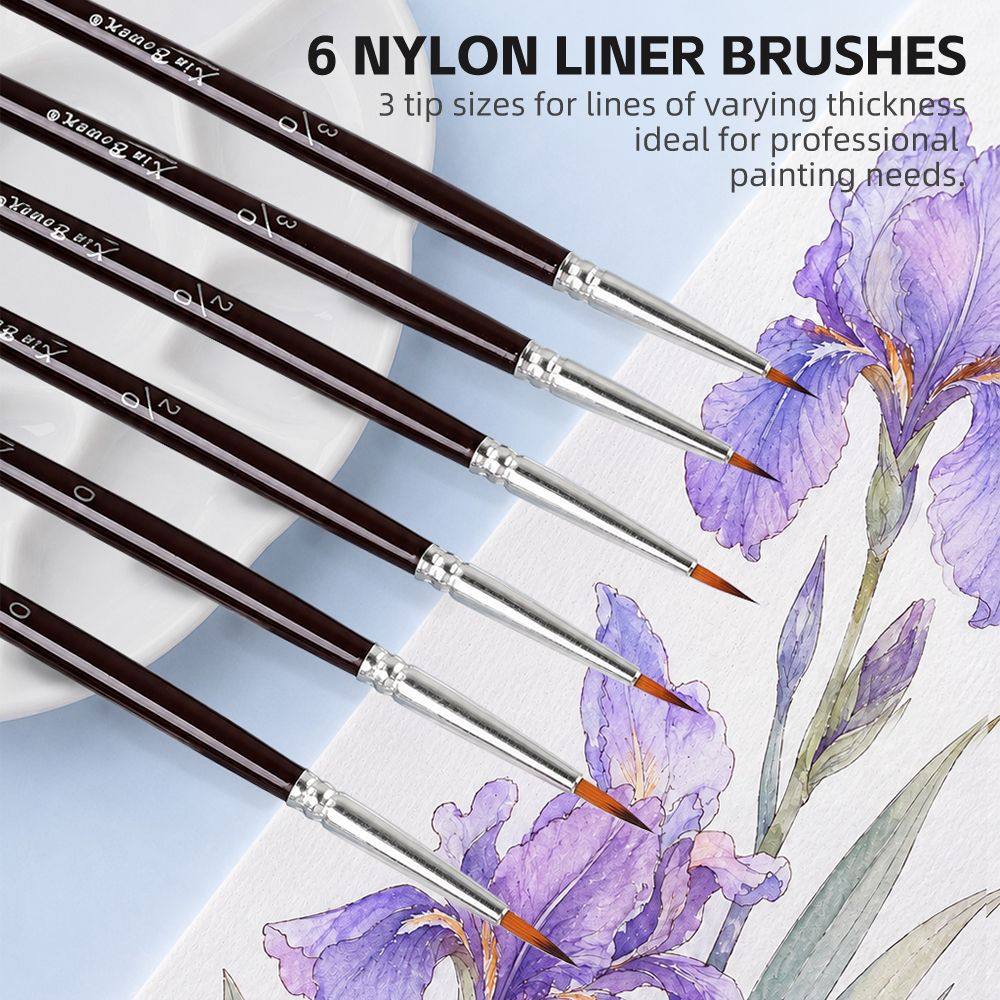
Request the paint brush supplier to detail the ferrule material and crimping technique. They should also provide the adhesive process and drying time utilized for the approved sample. These represent production controls, rather than consumer-facing claims. Xin Bowen offers nylon hair brushes for acrylic, watercolor, and oil painting and fine nylon round brushes for comparison by medium and task.
Care Problems Can Be Mistaken for Factory Defects
Certain returns start after paint dries near the ferrule. They also happen when brushes soak with the handle submerged, or when users tug forcefully during cleaning. Those practices can ruin even a solid brush. Product instructions must be brief and useful. They should advise users to rinse promptly, reshape the tip, and dry flat or head-down. Furthermore, they should warn not to leave the brush standing in water.
Clear care instructions do not eliminate factory responsibility. Instead, they divide improper use from actual paint brush shedding. This helps service teams handle complaints.
What Should Buyers Test Before Ordering Bulk Paint Brushes?
A visual inspection is only the first step. It needs to be a sample routine that actually reflects use and B2B buyers need consistency. The schedule does not require a laboratory. However, it has to mention the sample number,paint medium and cycles of painting. That also needs to set a drying method and failure limit that will be followed prior to testing.
Run Dry, Wet, and Painted Stroke Checks
Start with a dry contrast paper pad and soft finger pull. Count the released fibers. Next wet the brush and do sweeping strokes with the selected medium. Put it under the wash, dry fully and do over. See if the point or edge or belly comes back to its original form.
For a palo set, look at the individual brush shapes instead of looking only to what pieces fit in most. At the edge, a round brush will stay pointed while a flat brush spreads. The results must correlate to the approved sample record. Use images when a failure cannot be easily explained. Add photos where a failure is hard to describe
Add Transport and Storage to the Test
Bulk paint brushes might depart production in excellent shape yet arrive with bent tips. Trays, sleeves, caps, and carton pressure all have an impact. Evaluate a packed sample following vibration or a controlled drop. Then, perform the dry shedding check again.
In addition, brush packaging has to align with the overall product offering. A set may include a paper palate, often searched using the incorrect spelling of ‘paperpallate’. It may even have an easel or a canvas Board. Factors such as canvas size best suited for painting and thickness of a stretch frame affects the box sizes as well as freight. They ought to never compress brushes into an area that scars their tips.
Compare Samples Across the Order, Not Just at Approval
A single pre-production sample cannot stand for every carton. Pull units from early, middle, and late production stages. Compare the fiber color, weight, ferrule position, handle finish, tip shape, and shedding count. Establish limits for critical, major, and minor defects.
This same rule applies to a beginner-level set of art supplies. For a buyer, it can be the best colored pencil set for beginners or even include palette along with canvas art accessories. But each additional component adds another check point to find. It is easier to deal with targeted ranges rather than a large box of rubbish.
How Can Supplier Processes Reduce Repeat-Order Risk?
A first order shows that something can be produced. The steady process is illustrated by subsequent orders. Review change control, material records, inspection notes and packaging specifications. When sets have shared handles but different fibers, it is critical to note this. Failing this approach is an attempt at shortcutting the recipe with minor substitutions which can dramatically change how brush behaves in practice even when appearing to be otherwise identical as a product.
Keep a Golden Sample and a Written Specification
It should show the right tip shape, a fiber feel for its ferrule and a handle colour – or four elements more commonly referred to as a Golden Sample. It is also required to display printing and pack arrangement. Specify linear dimension, material type(s), tolerances, test sample size for lab testing and the shedding threshold Before any material modification is put into production, a new sample must be approved. Before starting any mass production of material, approve a new sample
At Xin Bowen, we provide an extensive artist paint brush range. This range features watercolor, liner, detail, flat, and additional brush formats. We can talk about the target medium, brush mix, packaging, and private-label brief prior to sampling. Our one-stop service combines product development, production, inspection, packaging, and shipment planning into a single project path. We utilize buyer feedback and approved samples to ensure the next order is simple to compare with the initial one.
Write Product Claims That Match the Test
A product description needs to lay out facts that are already established. Avoid broad "no shedding" assertions unless sustained by validate and accepted testing. A good listing mentions fiber type, shapes and intended media as well care details and pack contents too. An ideal listing describes the fiber, shapes and media to be used, care directions and pack contents.
Precise copy also aids search. Naturally, phrases such as synthetic paint brushes, paint brush kit and artist paint brushes can be displayed when they match the product. It only makes the page unreadable and kiking random phrases. But it also not only doesn’t solve an issue of quality And it does not solve a bug-quality issue
Conclusion
Not only an annoyance for an artist, paint brush shedding. For B2B buyers, it can raise return costs, hurt ratings and threaten a private-label variety. The best solution would be a very tight control plan. Test wet-use cycles, inspect ferule and adhesive construction.; run through chemical exposure; check for loose fibers. Evaluate packed goods and control samples throughout production. Care instructions should also instruct customers on how to care for the brush once they have purchased. With hands on art the features are no longer going to matter as much, performance will. The buyers who set limits prior to the purchase of bulk paint brushes can discuss defects based on facts and not assumptions. That effort needs to be accompanied by samples, written specifications, production records from one order to the next and consistent follow-up support from a capable supplier.
FAQs
Q: Is some initial paint brush shedding normal?
A: A handful of loose trimming fibers might fall out initially. Constant shedding after washing indicates a construction flaw.
Q: How should buyers test synthetic paint brushes?
A: Utilize dry pulls, wet strokes, paint cycles, and complete drying. Always keep a documented fiber-loss limit.
Q: What belongs in a B2B brush specification?
A: Include the fiber, ferrule, handle, dimensions, tolerances, packaging, sample method, and the agreed shedding limit.