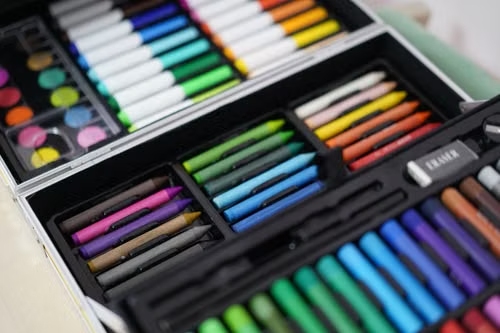
A painting kit has to do more than simply look good in photos for distributors, education suppliers and private-label teams. The physical contents must be congruent with the listing on the website. They also have to survive the shipping. In addition, the spare parts must be easy to find. Refill-ready planning provides B2B buyers with a hyper-practical approach of managing these nuances in 2026. Meanwhile, this strategy develops a portfolio of products which generates constant re-orders.

Why are refill-ready kits a timely B2B opportunity?
Creative kits return for the simplest of reasons, and one shoppers can easily avoid. Sometimes a component is missing. And, in other cases still the amount of paint is unknown. Usually, the covered area is near half its size from what you see in photos. All of these scenarios incur a cost for return freight. They consume time from customer service. In the end, buyer confidence is lost with your product listing. An excellent refill plan will not stop each and every return. But it certainly does clarify product expectations so much more. It also simplifies replacement options.
Value, waste reduction and easy re-purchasing are hot topics for retailers at this point in time. That trend will give buyers a compelling reason to reconsider the legacy all-in-one box format. Suppliers and buyers should not just slap together whatever random pieces to bump the item count. But rather than defining the overall project. Then they should determine the key range of consumables. And finally they can consider which things need separate refill packs. It makes the proposition a lot more usable for moments in retail stores, school classrooms and online sales channels.
What belongs in a refill-ready artist painting tools set?
Teams have to first agree on what ‘complete’ means for their target customer before deciding which components. For example, a school workshop requires an entirely different blend then what one would expect at the shop of any gift retailer. The hobby shop has its own set of requirements. So, he suggests that the best first step is a single clear activity. Once this activity is defined, confirm that the kit contains precisely what tools and materials needed to carry out it.
Start with a first project customers can finish
A decent novice’s kit lets someone complete the project that you see on its box. They should never have to go looking for an additional palette, brush or painting surface. A simple painting task needs a few colors, for example. You also require a few unique brush shapes and an area to mix. Plus, it desires paper or a tiny space ideal for the particular medium. Having thousands of pieces does not provide real value, one human can do the same operation multiple times as expected from various different individual components.
At Xin Bowen, we supply painting tools, surfaces, brushes, colors, and accessories. These items form part of a much broader assortment. Buyers can easily review our artist painting tools set collection. This helps them map the initial contents against possible refills and complementary goods.
Sort components by replacement cycle
Paint, paper, and disposable mixing sheets serve as natural refill candidates. On the other hand, brushes, a standard easel, and storage cases generally last longer. Their lifespan depends heavily on the material and usage frequency. This clear distinction helps a buyer establish separate product codes. It also helps explain exactly what a customer needs to reorder. Furthermore, this method keeps the starter box highly focused. Customers will not have to buy the same long-lasting accessories over and over again.
Some shoppers type ‘paperpallate’ into search bars. Meanwhile, ‘paper palette’ remains the standard product term. Catalog copy can certainly include common search variations where helpful. However, the main product description must state the actual material, the exact sheet count, and the intended use. Clear naming matters greatly on digital marketplaces. In these spaces, a tiny wording mismatch frequently leads to incorrect orders.
Which component details help prevent avoidable returns?
Product returns usually start with a gap between the online picture and the delivered kit. For example, a listing might suggest a large painting. Yet, the actual box contains a very small board. Alternatively, a set might show many vibrant colors but completely omit a mixing surface. Buyers can actively reduce these frustrating mismatches. They simply need to check component dimensions, exact quantities, and intended uses before they approve the final sample and product page.
Specify brush jobs, not just brush counts
Artists commonly use round brushes for lines and fine details. Flat brushes, conversely, cover much broader areas. A transition brush proves quite useful for blending colors. However, the supplier should clearly describe its shape and intended result rather than leaving it to assumption. When dealing with synthetic painting brushes, buyers can request to review specific details. These details include fiber stiffness, tip recovery after use, ferrule attachment, and proper care instructions. Buyers should then compare these factors against the demands of the intended paint.
Our products page provides buyers with a helpful overview of available painting-tool formats. We can easily discuss a paint brush kit based on a defined assortment of brush shapes and sizes. This collaboration helps the buyer avoid a poor bundle. Nobody wants a set where several brushes serve nearly identical purposes.
Make the painting surface measurable
Canvas size for painting: What is best? There is no one-size-fits-all response for any single sales channel out there. Novelty item – A small canvas board may be ideal for a workshop or entry level set. The larger format makes for a much more arresting visual spectacle. But this approach needs more protection and it takes up additional shelf space. The size to use for anything is the absolute best specification or that which lines up with what activity you set out to accomplish. All of this must also correspond to the price point you are targeting, and the shipping format that was selected.
For kits that include stretched canvas, provide size details. You also have to mention the thickness of the canvas frame. Buyers always need to confirm the surface material and type of priming. They also need to review any pertinent packing protection. These details help customers understand comprehensively what they are going to buy. In addition, they also enable a retailer to exactly match replacement surfaces with the original kit.
Keep “beginner” claims tied to the activity
Art supplies for beginners should always be insinuating an easy ride. It should never mean a collection of inexpensive odds and ends. Should colored pencils make their way into a mixed-media kit, the listing should clarify exactly what use they will have in the project. A best colored pencil set for beginners means a color range of use. Also has storage for the actual activity it is meant to do. Gluing extra pencils just to boost the promised numbers is often an exercise in mis-selling.
What can a B2B refill program look like?
When the team defines what starter kit to use, buyer has a choice. Whether or not refills merit separate listings is their call. They may sell these refills through a direct sales team or classroom channel, instead. The arrangement need not be complex in the least. It just has to be clear what the user will buy next. It is also required to maintain full backward compatibility with the original kit. It should finally provide operations teams a data rich enough to be able to predict what future stock and shipping needs will look like.
Build a small, clear product family
A basic entry-level offer may put an emphasis on only primary colors and a modest brush set. A record of data is often also accompanied by a paper palette, and includes relatively small surface. On the other hand, a classroom version could offer consumables in quantities scaled for group use (probably much greater than one copy each). It may include private-label packaging or special parts for replacements. So it all depends on the initial buyer’s brief. They are flexible planning points, not a rigid one-size-fits-all formula. Ultimately, the final collection needs to be tailored for the respective sales channel and selected projects.
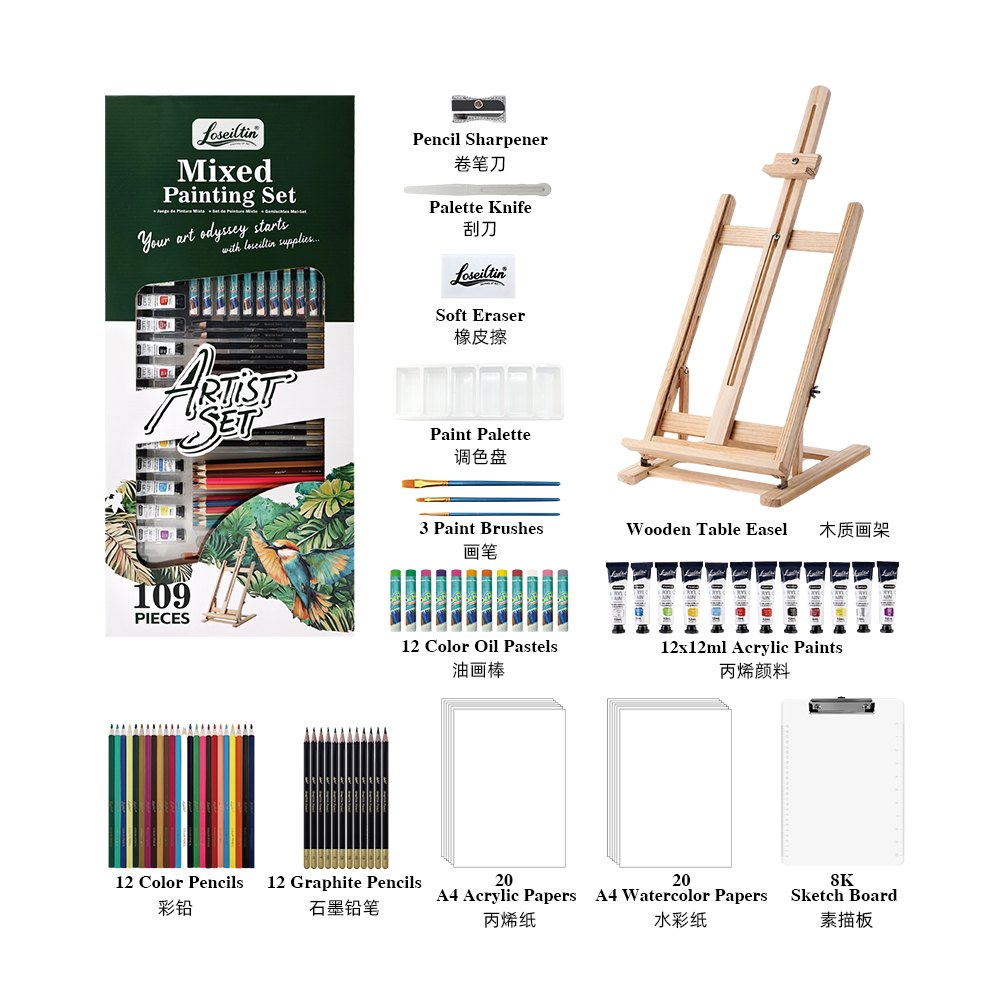
For a solid reference point, our 109-piece mixed paint and pencils kit combines painting and color tools into a single offer. Buyers can easily use a format like this for evaluation. They can consider which components truly belong in a core kit. They can then decide which items might perform better as separate replenishment goods.
Ask for pack and inspection information early
Before confirming a new product launch, buyers should request specific data. They need inner-pack quantities, master-carton dimensions, and individual component weights. They should also ask about manufacturing lead times. Additionally, they must understand the exact steps used to compare bulk goods with the approved sample. These details serve as highly practical inputs for accurate freight estimates. They also aid warehouse planning and future reorder decisions. A refill pack remains convenient only if its physical size and shipping method make logical sense for the target channel.
At Xin Bowen, we actively support product discussions, initial sampling, and production coordination. We also handle thorough inspection and packing through our one-stop service. Buyers can utilize an officially approved sample and a detailed packing list. These documents act as reliable shared references when teams review the final product assortment and packaging artwork.
How can buyers prepare a lower-risk launch?
A brief cross-functional review can successfully catch hidden problems before a listing goes live online. The marketing team can verify that all images and text claims accurately reflect the physical box. Meanwhile, operations staff can confirm the crucial pack data. Quality teams can then carefully inspect the final components against the approved sample. The main goal here is not to create a slow, complicated approval process. Instead, the objective is to establish a very clear record. This record shows exactly what the supplier must pack and what the end customer expects to receive.
Document every single component, its exact quantity, physical size, and primary material.
Identify each individual part as a core item, a replaceable good, or an optional extra.
Attempt to finish the advertised project using absolutely nothing but the included kit contents.
Verify that the canvas size, the canvas frame thickness, and all brush details perfectly match the online listing.
Carefully compare the physical sample with the official packing diagram before granting bulk production approval.
Determine exactly how a B2B buyer or a retail customer will identify a specific replacement part.
Conclusion
Refill-ready painting kits provide B2B buyers with a smart, practical way to link product clarity directly with repeat purchasing behavior. You should start with a specific project that the customer can actually complete. Next, describe every component with high accuracy. You must also separate daily consumables from durable tools that will likely last a long time. After that, thoroughly check the brush mix and surface dimensions. Confirm the canvas frame thickness, pack quantities, and carton data before the official launch. At Xin Bowen, we collaborate closely with buyers on product options, initial sampling, and custom designs. We also manage inspection and packing duties. A highly focused artist painting tools set can easily serve as the solid base for classroom packs. It also works well for retail refills or a complete private-label range. True commercial value comes from building a product family that remains easy to understand and quick to replenish. It never comes from simply adding random components that customers do not actually need.
FAQs
Q: Which canvas size is best for painting kits?
A: You should select a size that perfectly suits the specific project. It must also align with the target price and required shipping protection. No single format fits every possible sales channel.
Q: Are synthetic painting brushes suitable for refills?
A: Yes, they can be excellent options. However, their fiber feel and tip recovery must match the intended activity. The paint usage and care details must also align with the user’s needs.
Q: What makes a paint brush kit refill-ready?
A: It requires distinct brush roles and very clear sizes. It also needs stable pack quantities and a simple, easy-to-read replacement code.