
Pottery Starter Kit: Why Tool Selection Matters at an Expert Level
A pottery starter kit for advanced users is defined less by quantity and more by how effectively each tool supports consistent shaping, surface control, and long-term use. At an expert level, pottery tools are no longer learning aids but production instruments that directly influence efficiency and finished quality.
For professional creators and educators, reliable tools determine whether attention remains on technique or shifts toward compensating for material limitations. A thoughtfully assembled pottery starter kit enables experienced users to work efficiently, teach clearly, and maintain consistent results across repeated projects.
In professional studio and educational settings, a pottery starter kit for advanced users is often evaluated alongside individual professional pottery tools. What distinguishes an expert-level pottery tool set is not branding or quantity, but whether each tool delivers predictable performance across repeated forming, trimming, and finishing cycles. This perspective aligns closely with how experienced potters assess long-term workflow efficiency rather than entry-level convenience.
Pottery Starter Kit Essentials for Expert Workflows
A professional pottery starter kit prioritizes functional coverage rather than visual variety. Expert workflows require tools that respond predictably under different clay conditions and withstand frequent use.
Core Functional Roles Within a Pottery Starter Kit
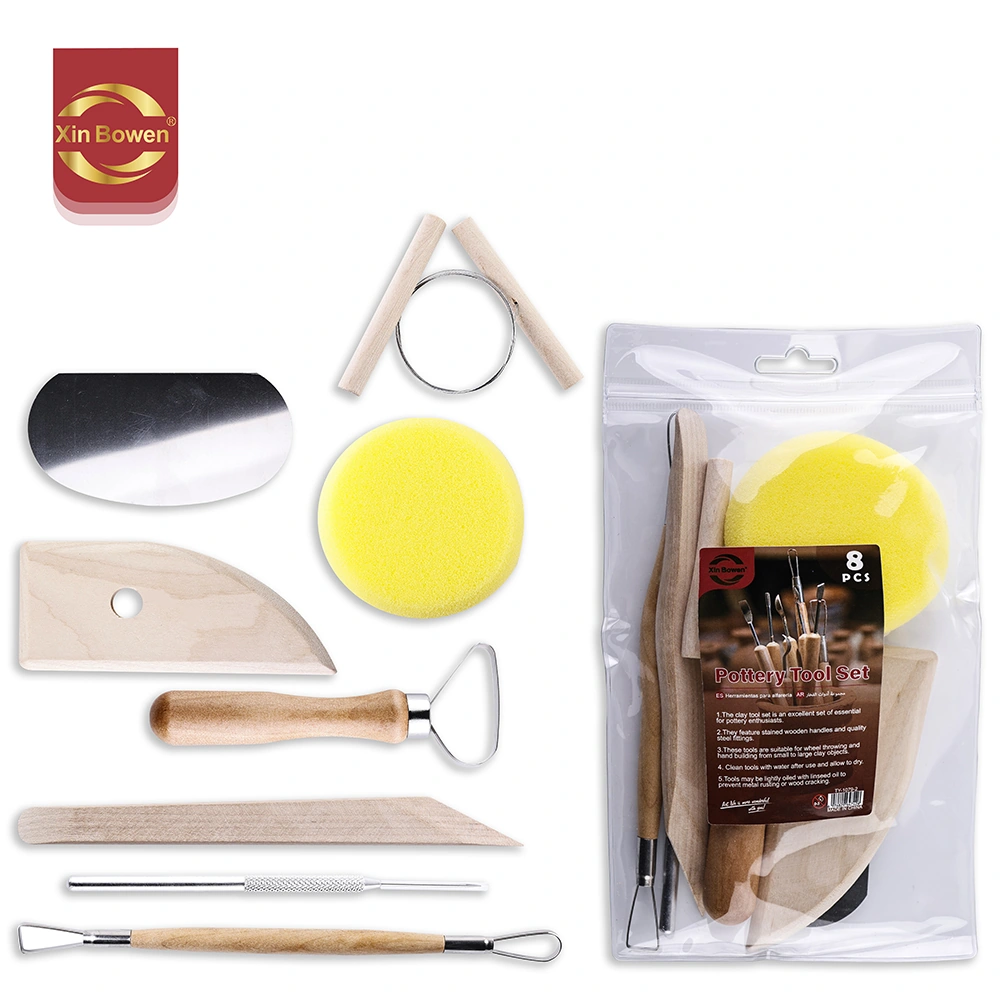
Every effective pottery starter kit is built around core functional roles rather than an excessive number of accessories. These roles typically include clay forming tools that support early structural control and symmetry, surface shaping tools designed for smooth transitions and contour refinement, trimming support tools that maintain alignment during material removal, and finishing tools that allow controlled surface refinement without unintended marks.
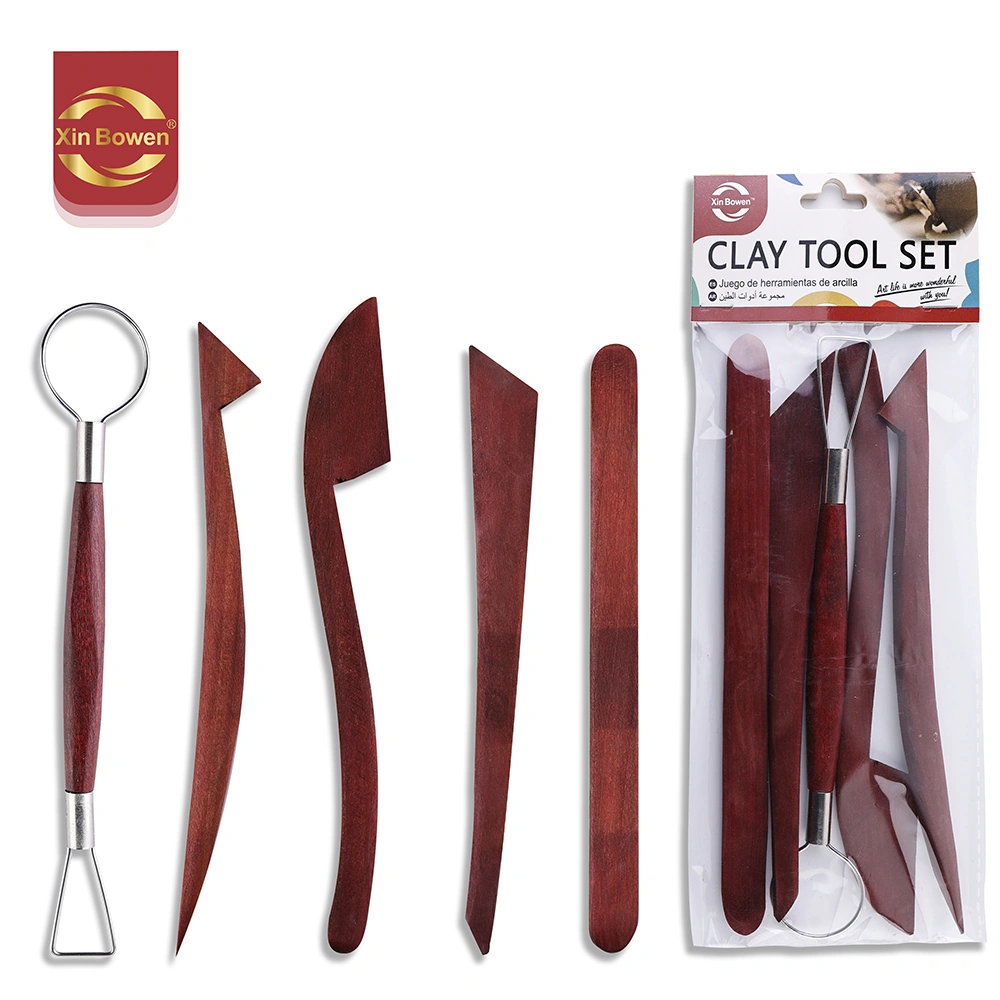
In professional environments, shaping accessories must maintain stability while allowing fine adjustments during forming. Surface finishing tools are expected to glide smoothly without dragging or uneven resistance. For example, a 5 pcs Red Wooden Pottery Clay Craft Tools set provides multiple shaping profiles that support controlled surface forming during hand-building and early shaping stages, making it suitable for structured starter kit configurations.
Material Considerations in a Pottery Starter Kit
Material selection directly affects tool performance and longevity. Handles, working edges, and connection points must tolerate moisture exposure, clay abrasion, and repeated cleaning.
Advanced pottery starter kits often favor solid wooden construction for shaping tools because wood offers a stable grip and balanced feedback. Red wooden pottery clay tools are commonly used to refine contours and smooth transitions without aggressively disturbing the clay surface, which helps maintain form accuracy during longer working sessions.
Pottery Starter Kit Tools by Production Stage
Structuring a pottery starter kit by production stage improves workflow clarity and reduces tool misuse. Each stage places different demands on shaping and finishing tools.
Forming and Shaping Stage Requirements
The forming and shaping stage establishes the overall structure of ceramic work. Tools used at this stage must provide controlled pressure and consistent contact with the clay surface.
Wooden pottery shaping tools play an important role during this phase by supporting symmetry, wall thickness control, and surface continuity. A multi-piece shaping set allows experienced users to switch profiles efficiently, reducing interruptions and maintaining rhythmic workflow during repeated forming tasks.
Trimming and Surface Finishing Stage Requirements
Trimming and surface finishing refine form accuracy and visual quality. Tools at this stage must maintain alignment and predictable edge behavior to avoid unintended marks.
For advanced users, finishing tools are evaluated by how precisely they support refinement rather than aggressive material removal. A pottery starter kit designed for expert use emphasizes stability and smooth surface interaction across all finishing operations.
Evaluating Pottery Starter Kit Quality Beyond Appearance
Experienced users evaluate a pottery starter kit based on long-term performance rather than initial presentation. Visual appeal matters less than how tools perform after extended use.
In long-term studio use, tool performance differences become increasingly apparent after months of repeated exposure to moisture, clay abrasion, and daily cleaning. Instructors and professional potters often report that inconsistencies in tool balance or edge stability disrupt teaching flow and production rhythm, especially in shared studio environments. These practical observations are why experienced users tend to evaluate pottery starter kits based on sustained performance rather than initial appearance.
Durability and Structural Stability
Durability is essential in professional pottery tools. Frequent exposure to moisture and abrasive clay quickly reveals weaknesses in low-quality construction.
Well-made wooden shaping tools resist cracking and deformation when properly finished and maintained. Stable tool structure reduces replacement frequency and supports consistent results across extended production cycles.
Consistency and Teaching Efficiency
Consistency across tools is highly necessary when we consider educational or workshop settings. If multiple people require consistent responses from tools, demonstrations become more intuitive, resulting in better learning outcomes.
The pottery starting kit with identical forming tools enables teachers to demonstrate techniques without having to work around differing tools, making learning and transition of skills simpler.
Pottery Starter Kit Configuration for Different Expert Use Cases
Different professional contexts require different pottery starter kit configurations. A single generic set rarely meets all expert needs.
Studio-Based Pottery Starter Kit Needs
Studios require pottery starter kits that tolerate high-frequency use and shared access. Tools must remain functional after repeated cleaning and handling.
Multi-piece wooden pottery shaping tool sets are well-suited for studio environments because they allow multiple users to work efficiently without frequent tool changes.
Educational and Workshop Pottery Starter Kits
Educational pottery starter kits emphasize safety, clarity, and versatility. Tools should support demonstrations while remaining forgiving for users at different skill levels.
Wooden shaping tools with smooth edges are commonly included in educational kits because they reduce the risk of surface damage while supporting progressive skill development.
Small-Batch Production Considerations
Small-batch production places high demands on repeatability. Tools must deliver consistent shaping results to maintain uniform form and surface quality.
A well-structured pottery starter kit supports small-batch workflows by minimizing variation and maintaining stable tool response across repeated pieces.
Common Limitations in Generic Pottery Starter Kits
Many mass-market pottery starter kits fall short of expert expectations due to unclear functional focus and uneven quality.
Incomplete Functional Coverage
Generic kits often include redundant items while lacking shaping tools that support early-stage form control. This forces experienced users to supplement kits individually, reducing efficiency.
Inconsistent Tool Performance
Inconsistent performance across kit components undermines reliability. Expert users prefer pottery starter kits where all tools meet comparable construction and usage standards.
How Xin Bowen Supports Professional Pottery Starter Kit Development
As a manufacturer focused on art materials, Xin Bowen approaches pottery starter kit development from a practical, production-oriented perspective. Our goal is to align tool structure, materials, and configuration with real studio, educational, and professional requirements.
Structured Pottery Starter Kit Design Based on Usage
We design pottery starter kits around usage intensity and application context rather than generic labeling. For example, wooden shaping tool sets such as the 5 pcs Red Wooden Pottery Clay Craft Tools are commonly integrated into starter kit configurations for hand-building and foundational shaping tasks.
Manufacturing Control and Material Selection
Material control is central to consistent tool performance. From wood selection to surface finishing, each production step is managed to support long-term reliability in professional environments.
Customized Pottery Starter Kit Solutions
Customized pottery starter kits allow studios, schools, and professional creators to match tools to specific teaching or production needs. We support customized configurations, packaging formats, and supply planning to help international partners scale with confidence.
For studios, schools, and distributors evaluating professional pottery starter kits for long-term use, aligning tool structure with real usage scenarios can significantly reduce replacement costs and workflow friction. Our team supports partners in reviewing application needs and configuring pottery starter kits that match specific teaching or production environments.
FAQ
Q: What is the best pottery starter kit for professional use?
A: A professional pottery starter kit prioritizes durable materials, functional coverage, and consistent shaping performance rather than the number of tools included.
Q: How to choose a pottery starter kit for advanced users?
A: Advanced users should evaluate material quality, tool stability, and whether the kit supports all production stages from forming to finishing.
Q: Pottery starter kit vs individual tools, which is better?
A: A well-designed pottery starter kit offers consistency and workflow efficiency, while individual tools are best used to supplement specialized techniques.
Q: What matters most in an expert-level pottery starter kit?
A: Structural stability, predictable tool response, and materials that withstand repeated use are the most important factors.
Q: Are customized pottery starter kits suitable for studios and schools?
A: Customized pottery starter kits are suitable for studios and educational settings where specific usage patterns and teaching goals need to be supported.
Choosing a pottery starter kit at an expert level is ultimately a decision about consistency, durability, and workflow alignment rather than tool count. When kits are configured with clear functional intent and material reliability, they become long-term production assets rather than temporary solutions. For professional users managing studios, workshops, or educational programs, this distinction directly impacts efficiency and teaching outcomes.