
A carefully chosen painting brush kit truly transforms an artist’s workflow. Painters no longer need to hunt for a new tool after every single stroke. Instead, they transition smoothly from wide strokes to tiny details. This extra control matters. A good mix of tools also helps creators test fresh materials. It lets them try mixed media easily. Ultimately, it builds a steady, recognizable style.
Finding the right brush kit involves more than just picking the biggest box on the shelf. Several details impact the final artwork. These include brush shape, bristle type, and handle balance. The thickness of the paint and the canvas texture matter too. For instance, a very soft brush works wonderfully for watercolor. On the other hand, a stiffer tool handles acrylic or oil paint much better.
This guide breaks down the process of selecting a painting brush kit. It highlights the specific brush shapes that merit your attention. It also outlines key details that artists, shop owners, schools, and studio managers must verify before they buy.
What Makes a Painting Brush Kit Useful?
A highly practical painting brush kit offers creators multiple ways to manage their colors. It must include tools for vast backgrounds and mid-sized shapes. It also needs options for tiny lines, smooth blending, and rough textures. Furthermore, a solid collection saves money. It stops buyers from purchasing single brushes one at a time.
The ideal kit relies heavily on the creator’s primary medium. Daily painting habits play a huge role as well. A watercolor learner usually requires gentle, bendable bristles. Conversely, an acrylic artist might favor a tough nylon brush. That firm material pushes heavy paint smoothly across paper or canvas.
Look for a Balanced Range of Brush Shapes
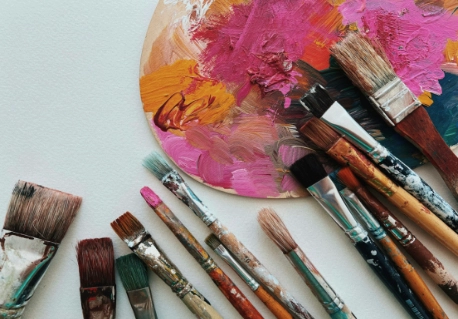
A comprehensive brush kit generally features a variety of shapes. Each specific shape produces a unique mark. Furthermore, every tool assists with a distinct phase of the creative process.
Important brush shapes include:
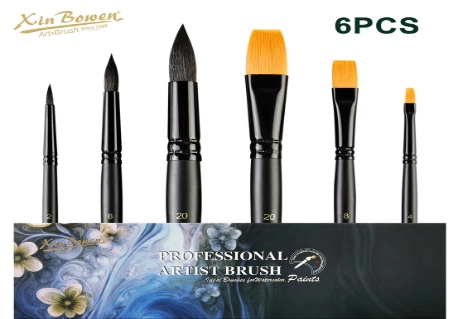
- Round brushes for tiny details, crisp lines, flower petals, and precise marks
- Flat brushes for wide backgrounds, crisp edges, and massive coverage
- Filbert brushes for gentle blending and curved shapes
- Fan brushes for rough texture, realistic hair, tree leaves, and dry-brush styles
- Angular brushes for tight corners, slanted strokes, and strict shapes
- Liner brushes for neat lettering, clear outlines, and lengthy continuous lines
- Detail brushes for tiny miniature work and minor fixes
A varied paint brush set proves far more practical than a pack featuring just a single shape. Creators can switch between different techniques smoothly. They do this without altering their whole approach to the canvas.
Check Bristle Material and Shape Retention
The bristle material deeply influences how color leaves the tool. It also changes flexibility, water holding capacity, and overall lifespan. Synthetic nylon serves as a highly popular option. It suits creators seeking a dependable tool for daily practice. It also works perfectly in classrooms, busy workshops, and diverse mixed media tasks.
A good nylon brush set should have:
- Bristles that snap back to their initial form
- A very even and smooth paint release
- A tightly secured metal ferrule
- A highly comfortable and balanced handle
- Minimal hair shedding during standard painting sessions
- Proper flexibility for both tiny details and wide sweeps
When painting with watercolor, softer synthetic fibers hold liquid and color beautifully. For acrylic tasks, a stiffer nylon brush creates much sharper edges. It also manages heavy paint with ease. The main goal is avoiding a single material for every possible scenario. Instead, select the fiber based on the specific paint type. Also, consider the hand pressure applied during the session.
Choose Brushes According to Your Painting Medium
Various art mediums place highly specific demands on your tools. Watercolor relies entirely on moisture management and clear, see-through layers. Acrylics generally demand much tougher bristles. This happens because the paint feels heavy and dries extremely fast. Meanwhile, oil painting requires robust brushes. These tools must push thick pigment around and handle extended blending times.
Pause before selecting an artist brush set. Think carefully about the specific strokes your target audience makes most frequently. This basic step prevents costly mistakes. It stops you from acquiring a poorly matched product.
Watercolor and Gouache
Watercolor painters frequently require tools that soak up liquid evenly. These items must drop color onto the paper without sudden splashes. A basic round brush proves highly effective for tiny details and minor color washes. Meanwhile, a wide flat or fan brush assists greatly with massive backgrounds. They also render beautiful skies and bold, lively textures.
A practical watercolor brush kit may include:
- A thin round brush for crisp outlines and tiny details
- A standard medium round brush for everyday painting tasks
- A big round brush for wide color washes
- A standard flat brush for perfectly straight edges
- A thin liner brush for tree branches, fine hair, and delicate marks
Gouache acts much more opaque than traditional watercolor. Therefore, creators might favor a tool with slightly extra stiffness. A well-rounded kit easily supports both clear watercolor and heavy gouache. You will not need to purchase a totally separate collection.
Acrylic and Oil Painting
Acrylic paints pair wonderfully with stiff synthetic tools. Wide flat brushes spread bright colors very rapidly. Filbert brushes, on the other hand, help soften harsh color transitions. Standard round brushes stay highly relevant for tiny shapes, minor details, and strict marks.
Oil colors possess a notably dense texture. They frequently benefit from quite rigid bristles. Painters might grab flat brushes to lay down powerful strokes. They utilize filberts for smooth color mixing. Finally, fan brushes provide incredibly soft visual transitions.
Countless painters also keep a handy palette knife nearby. This metal tool mixes shades effortlessly. It spreads heavy paint and scrapes away mistakes. It even builds raised, three-dimensional textures on the canvas. A knife never fully replaces standard brushes. However, it significantly broadens the visual effects found within any complete equipment for art collection.
Mixed Media and Sketching
Mixed media artists need flexibility. They may combine acrylic, watercolor, colored pencil, ink, and dry materials on the same project. In this case, a versatile brush kit is more practical than a set designed for only one medium.
An artist brush set can work alongside:
- Sketching equipment for artists
- Watercolor pads
- Acrylic paper
- Colored pencils
- Ink pens
- A palette knife
- Small canvases and boards
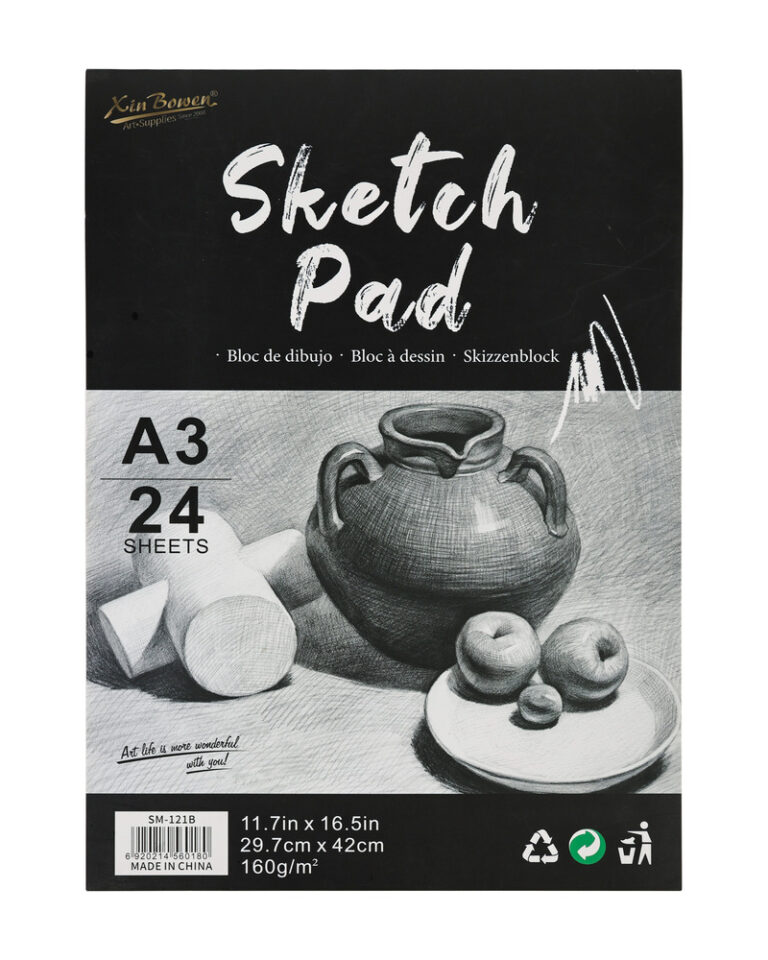
A 2026 pencil collection, for example, can be sold with a compact brush kit and sketch pad to create a broader creative package. This type of combination gives customers more reasons to explore mixed media instead of buying one tool for one task.
Build a Kit for Beginners, Professionals, or Travel
The same brush set may not suit every customer. Beginners often need clear, versatile choices. Professional artists may want specialized sizes. Travelers need lightweight packaging that protects bristles and fits inside a bag.
A good supplier should think about the use case before deciding the piece count.
A Simple Kit for Beginners
For beginners, five to seven brushes may be enough. The set should not be difficult to understand. A practical selection could include:
- Two round brushes in different sizes
- One flat brush
- One filbert brush
- One liner brush
- One fan or detail brush
Clear packaging and simple product information can help new artists understand what each brush does. The goal is confidence, not confusion.
A Larger Kit for Studios and Art Classes
Schools, workshops, and studios may need more sizes and more repeated pieces. A larger set can reduce the need to share tools during a class. It also allows students to compare different strokes and brush techniques.
For bulk buyers, check:
- Piece count and size range
- Bristle shedding
- Handle comfort
- Packaging strength
- Carton weight
- Minimum order quantity
- Replacement availability
- Sample policy
The exact match between the brush kit and the target customer matters more than the highest number of brushes in the package.
A Compact Travel Brush Kit
Portable painting remains attractive for outdoor sketching, travel journaling, and quick studies. A travel brush kit should be light, secure, and easy to open.
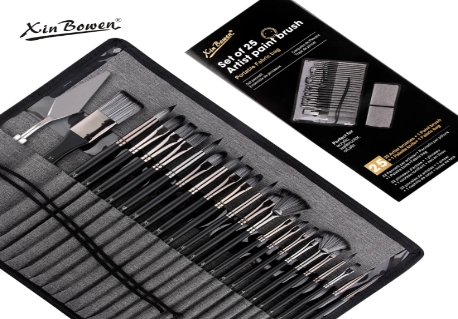
At Xin Bowen, we offer a 25-piece nylon wool set with round, flat, angular, filbert, liner, detail, and fan brushes. The set also includes a palette knife and comes with a fabric bag for travel or studio storage. It weighs about 320g per set, making it practical for artists who want several brush shapes without carrying a large box. View the 25PCS nylon brush set.
Our wider artist paint brush collection includes different brush categories, materials, and applications. We also provide complete painting tools and art products for retailers, distributors, schools, and creative businesses.
Procurement Tips for Artists and Retail Buyers
Buying a brush kit for personal use is different from purchasing hundreds of sets for resale. Artists may focus on comfort and performance. Retail buyers must also consider packaging, cost, customer level, shipping, and product range.
These procurement tips for artists and buyers can help:
- Request a sample before placing a large order.
- Test the brush with the paint your customers use most.
- Compare bristle recovery after repeated strokes.
- Check whether the ferrule is firmly attached.
- Confirm the weight and carton packing.
- Ask if colors, logos, or packaging can be customized.
- Review delivery time and minimum order quantity.
- Build a product line with both starter and professional options.
Xin Bowen supports customized painting-material solutions through product development, design, production, quality inspection, and packaging support. Our one-stop service is suitable for buyers who need private-label brush sets, customized packaging, sample support, and coordinated art-material procurement.
Care for Your Painting Brush Kit
Even a high-quality brush can lose its shape if it is cleaned or stored poorly. Care should begin as soon as the painting session ends.
Follow these habits:
- Rinse water-based paint from the bristles before it dries.
- Clean acrylic paint quickly because it can harden inside the brush.
- Use a suitable cleaner for oil-based materials.
- Do not leave brushes standing on their tips.
- Shape the bristles gently after washing.
- Store brushes horizontally or with bristles facing upward.
- Keep the brush kit dry and away from direct heat.
- Separate clean brushes from used brushes during travel.
Good care protects the point of a round brush, the straight edge of a flat brush, and the flexibility of a liner brush.
Conclusion
A painting brush kit should help artists work with greater freedom, not restrict their choices. The best set combines useful shapes, reliable bristles, comfortable handles, and packaging suited to the customer’s working environment. Beginners may need a simple collection of round, flat, filbert, and liner brushes. Professionals and studios may require more sizes, stronger materials, and repeated pieces. Travel painters need lightweight storage, while retailers need clear product positioning and dependable supply. By matching brush shapes with watercolor, acrylic, oil, or mixed media applications, artists can improve control, texture, and depth. A thoughtful brush kit is more than a group of tools. It is a practical foundation for better painting.
FAQs
Q: How many brushes should a beginner painting brush kit include?
A: A five- to seven-piece set covers most basic painting tasks.
Q: Is a nylon brush set suitable for acrylic painting?
A: Yes. Nylon bristles offer firmness, shape retention, and smooth paint control.
Q: How much paint does a starter set need?
A: Six colors at 22ml each provide a practical starting amount for basic practice.