
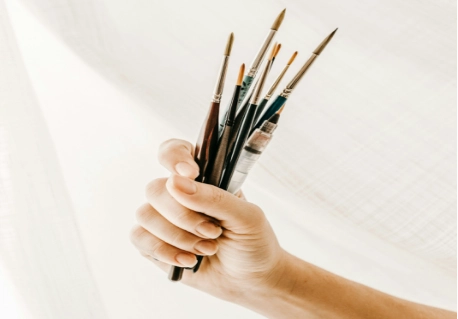
A slender brush often creates the main difference between a crisp highlight and an unstable mark. This tool is vital when you paint eyelashes or leaf veins. It also helps with miniature edges, lettering, delicate patterns, and tiny areas of color. However, numerous creators pick a brush based solely on its size number. This habit frequently causes disappointment.
An extremely tiny brush is not always the ideal tool for exact painting. It might fail to hold sufficient paint. When this happens, it dries out fast and creates broken lines. Sometimes, the bristles feel too soft. Then, the tip bends before you finish the stroke. Furthermore, an awkward handle makes even a high-quality brush hard to manage.
The correct thin brush must fit your specific paint and subject. It should also suit your chosen surface and personal working style. This guide details exactly what features to check. It shows how to evaluate different brush types. Finally, it explains how to assemble a useful fine-detail collection.
What Makes a Thin Brush Suitable for Detail Work
A thin brush is crafted for exact marks. However, its true worth depends on the balance between the point and the bristle length. Paint capacity and handle weight also play a huge role. A sharp tip certainly helps. Even so, a fine paintbrush requires adequate body. This body moves the color smoothly from your palette onto the canvas.
Think about your desired marks before you compare products. Short strokes and long flowing lines need different tools. Tiny dots and narrow highlights also place unique demands on a detail brush. Therefore, the absolute best choice is rarely the smallest option in the store display.
Point Shape and Paint Capacity
The tip must snap back into shape after it leaves the surface. This specific trait is highly important for acrylic, gouache, and watercolor paints. In these mediums, artists require a consistent line. They want to avoid fixing the edges over and over.
A practical thin brush features three main working parts:
- The point: manages the thinnest section of your mark.
- The belly: stores the fluid paint and water.
- The spring: snaps the hairs back into their proper form.
A brush with a sharp point but no belly might appear precise. Yet, it can force you to grab more paint every few seconds. This constant reloading disrupts your hand movement. It ultimately makes long lines look uneven. For miniature painting, artists generally achieve better results using a size 0 or 1 brush with a crisp tip. This works much better than an extremely small 5/0 brush. The tip shape and fluid load matter significantly more than the size number alone.
Bristle Material and Response
The bristle material completely alters how the brush feels. Natural hair holds a massive amount of water. Meanwhile, modern nylon bristles offer great resilience. They provide easy cleaning and reliable shape retention. Nylon serves as a highly practical choice for a detail brush used across multiple paint types.
Select stiffer nylon hairs when you require:
- Crisp acrylic edges
- Steady control on rough textured paper
- Frequent practice sessions in an art classroom
- Delicate lines on wood, canvas, or standard craft surfaces
Pick softer bristles when you want gentle watercolor washes. They also help with smooth blending. The main goal is not just buying the softest or stiffest tool available. Instead, you must select a thin brush that reacts predictably in your own hand.
Match the Brush Type to the Mark You Need
Detail work involves many distinct kinds of marks. A long, unbroken branch line differs greatly from a tiny dot on a miniature figure. A painted flower outline on glass demands a different type of control than a bright highlight on fabric. Because of this fact, creators benefit greatly from comparing liner brushes, round detail brushes, and angular brushes. They should never treat these items as identical tools.
Liner Brush for Long, Flowing Lines
A liner brush features a long, narrow bristle profile. It actually holds much more paint than its slim shape suggests. This extra capacity makes it highly useful for continuous lines. It works perfectly for lettering, plant stems, painted hair, decorative borders, and crisp outlines.
Use a liner brush when you need:
- Long curved lines
- Calligraphy-style marks
- Thin grass and branches
- Fine floral outlines
- Delicate pattern work
Our liner brush collection includes options for watercolor, detailing, and line painting. Xin Bowen’s long-tip liner styles are available in several sizes, while our fine detail collections include smaller heads for close work and careful outlining.
A liner brush should be loaded with paint, but not flooded. Roll the bristles gently against the palette to form the point. Then move your hand in one steady direction. Trying to repair the same wet line usually makes it wider.
Detail Brush for Small Controlled Marks
A detail brush has a shorter bristle length than a liner brush. It is usually better for dots, eyes, small petals, tiny highlights, edge corrections, and miniature features. Short bristles give direct control because there is less flex between your fingers and the painting surface.
Use a detail brush when you need:
- Short highlights
- Small lettering
- Miniature painting
- Decorative dots
- Fine corrections
- Compact line work
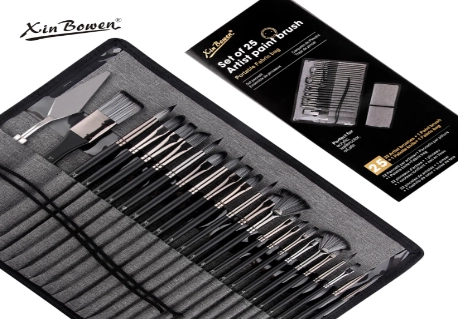
For artists who need several shapes in one portable kit, our 25PCS nylon wool artist paint brushes set combines round, flat, angular, filbert, liner, detail, and fan brushes with a palette knife. It is practical for studios, art classes, and travel painting.
Select the Right Size Without Trusting Numbers Alone
Brush-size numbers are useful, but they are not universal. A size 0 from one supplier may not match a size 0 from another. Instead of relying only on the label, compare bristle width, bristle length, tip shape, and the type of paint you use.
This becomes important for wholesale buyers, schools, and studios. A set may look complete on paper but still miss the brush shapes required for real classroom projects. Good procurement tips for artists should focus on function first, then packaging and price.
A Practical Starting Size Range
For many detail tasks, a small selection is more useful than a large collection of nearly identical brushes:
- 5/0 or 3/0: tiny dots, miniature highlights, very small areas
- 0: general detail work, short lines, controlled accents
- 1: lettering, leaves, thin outlines, small shapes
- 2: larger details, edges, and paint areas that need more flow
- Long liner: continuous lines, branches, decorative patterns
Xin Bowen’s detail and liner brush ranges include fine options with 1 mm to 2.5 mm tip widths, plus different bristle lengths for detailed marks and longer lines. For example, a 5/0 liner can have a 1 mm width with a 17 mm tip length, while a 3 liner offers more paint capacity for extended strokes. These differences matter more than the number printed on the handle.
Handle Shape and Hand Comfort
Precision painting can be tiring. If your fingers tighten around a slippery or oversized handle, your line control will suffer. Short handles are often useful for close work because they let you paint nearer to the surface. Long handles can feel better for broad canvas work or when you need to step back and judge the composition.
Triangular handles can help prevent rolling and may feel more stable during slow detail work. Birch handles are light, while a secure ferrule helps keep the bristles aligned after repeated washing.
Consider the Paint Surface Before Choosing
The same thin brush behaves differently on smooth paper, textured canvas, glass, fabric, or wood. A surface with more texture catches the bristles and may widen a line. A slick surface can make paint slide. This is why surface testing should happen before a final project.
Acrylic, Watercolor, and Gouache
For acrylic, use a detail brush with good spring. Acrylic dries quickly, so keep the paint slightly fluid and clean the brush before color reaches the ferrule. A liner brush can create graceful lines, but only when the paint is thin enough to move.
For watercolor, choose a brush with a sharp point and good water control. Too much water causes puddles; too little produces dry, broken marks. Gouache sits between the two. It often needs a brush that can handle creamy paint without spreading too wide.
Xin Bowen offers paint brushes for watercolor, gouache, acrylic, ink, and mixed media through our wider paintbrush category. Our synthetic squirrel hair and nylon brush sets are designed for smooth color flow, flexibility, washes, details, and broader strokes.
Fabric and Glass Painting
Fabric painting tools and glass painting tools require special care because the surface is less forgiving than paper. Use a short detail brush for small patterns and a liner brush for borders or lettering. Test paint adhesion first, especially when heat-setting, sealing, or curing is required.
Avoid pressing hard. Let the brush point guide the paint. On fabric, use enough paint to cover the fibers without soaking them. On glass, keep the brush clean and use slow strokes, because a correction may show more clearly on a smooth surface.
The 2026 creative market is also highlighting experimental paint applications across textiles and glass, which makes cross-surface detail techniques especially relevant for artists and product buyers.
Build a Useful Detail-Painting Kit
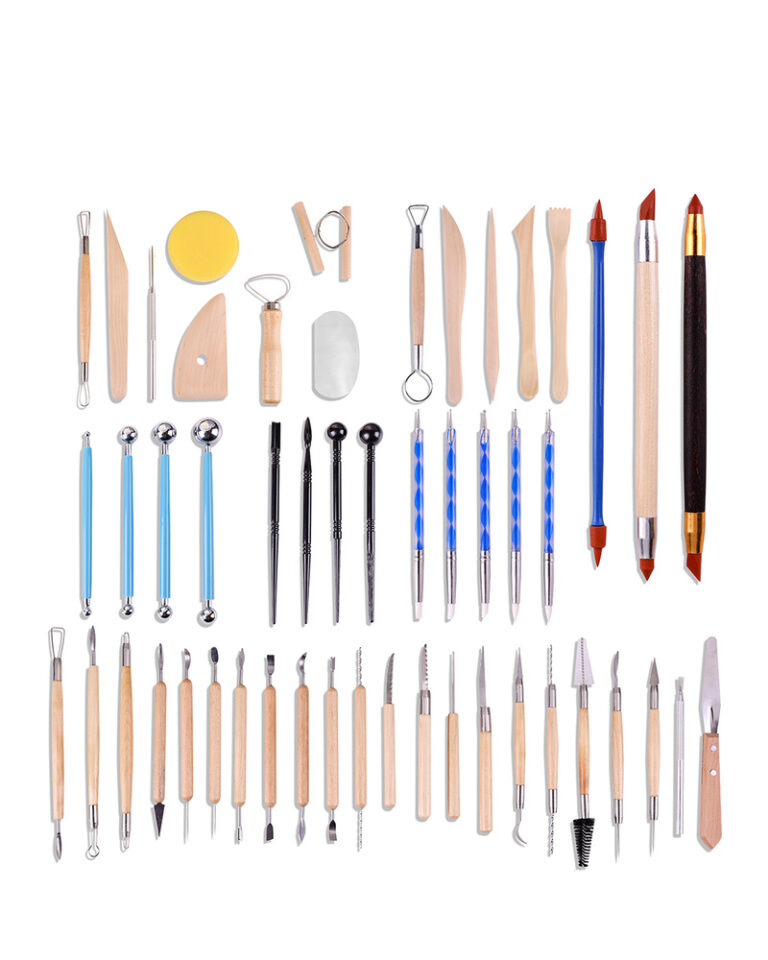
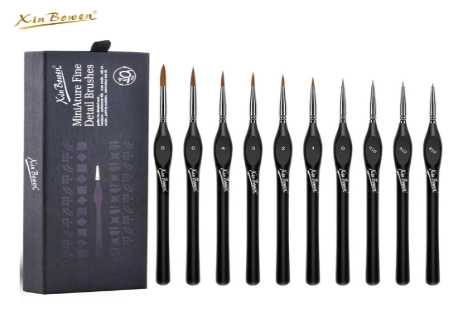
A good detail kit is not complicated. It needs a few dependable brushes, the right paint consistency, and tools that support clean preparation. Start with one small detail brush, one size 0 or 1 round brush, one long liner brush, a palette knife, a palette, and clean water containers.
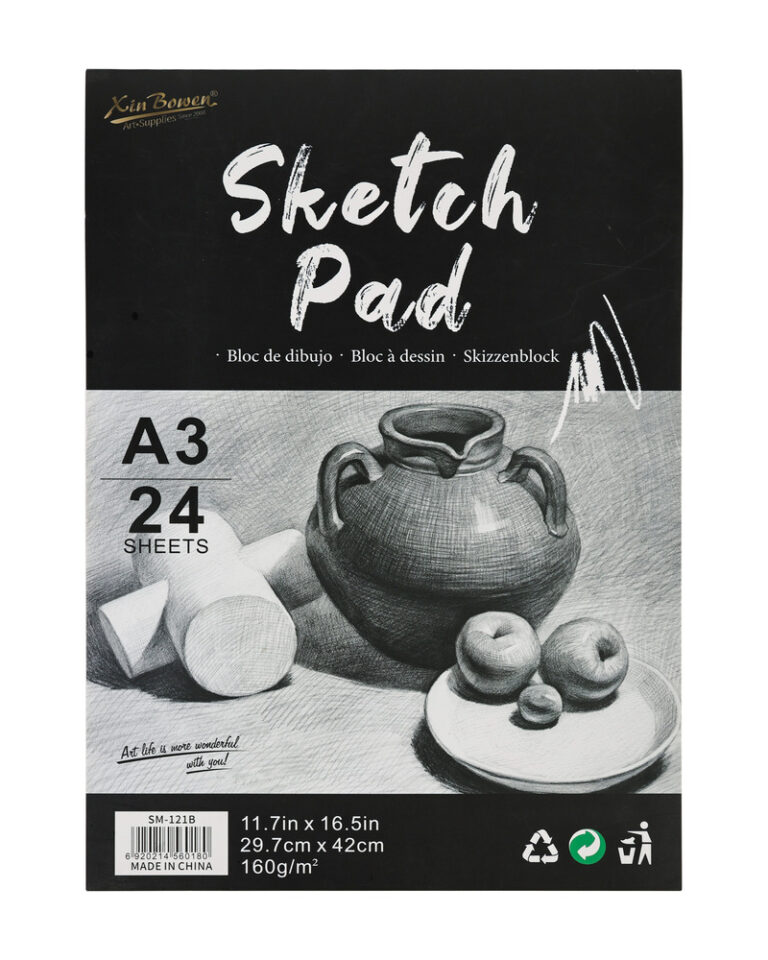
For sketch planning, keep sketching equipment for artists nearby: a simple pencil, eraser, sharpener, and sketch paper. Some buyers also search phrases such as 2026 pencil, equipment for art, and fabric painting tools when building broader product lists. These searches show why a useful art kit should support drawing, painting, and finishing work rather than only one technique.
Our products page covers paint brushes, sketching tools, paints, palettes, painting knives, paper, canvas, and children’s art materials. For buyers needing custom packaging, coordinated sets, and production support, our one-stop service can help bring a product idea into a practical market-ready collection.
Keep Fine Brushes in Working Condition
Brush care is part of precision painting. A good point can be lost quickly when paint dries near the ferrule. Rinse water-based paint out as soon as possible, reshape the tip with your fingers, and lay the brush flat to dry.
Follow these brush care habits:
- Do not leave a thin brush standing in water.
- Do not scrub delicate bristles against the bottom of a jar.
- Clean acrylic paint before it dries.
- Keep solvent-heavy work separate from your best detail brushes.
- Store brushes where the tips cannot bend.
A well-cared-for fine paintbrush gives more consistent lines and lasts longer. It also reduces replacement costs for studios and bulk buyers.
Conclusion
The perfect thin brush is not simply the smallest brush available. It is the brush that holds enough paint, returns to a fine point, feels comfortable in your hand, and matches the mark you want to make. Choose a liner brush for long flowing lines, a detail brush for tiny controlled marks, and a slightly larger round brush when you need better paint flow. Test your brush on the actual surface before beginning a finished work, especially for acrylic, fabric, and glass projects. With the right size range, nylon bristles, simple brush care, and supporting tools such as a palette knife, precision painting becomes less stressful and far more enjoyable.
FAQs
Q: What size thin brush is best for fine details?
A: A size 0 or 1 thin brush suits most details; choose 5/0 for very small work.
Q: Can a liner brush paint on glass?
A: Yes. Use a liner brush with suitable glass paint and test line flow first.
Q: How often should I clean a detail brush?
A: Clean a detail brush immediately after water-based paint use, especially acrylic.