Getting pro-level outcomes in ceramics and pottery takes more than basic ability. It calls for a solid grasp of the special gear that today’s makers can use. As artists move from simple methods to detailed shaping, the need for accurate, tough, and user-friendly design in clay sculpting tools grows key. This overview looks at the main types of top-quality gear. It also covers the main points that companies should think about when buying these items for pro users.
Essential Categories of Advanced Clay Sculpting Tools
Precision Wire Loop Tools for Trimming and Cutting
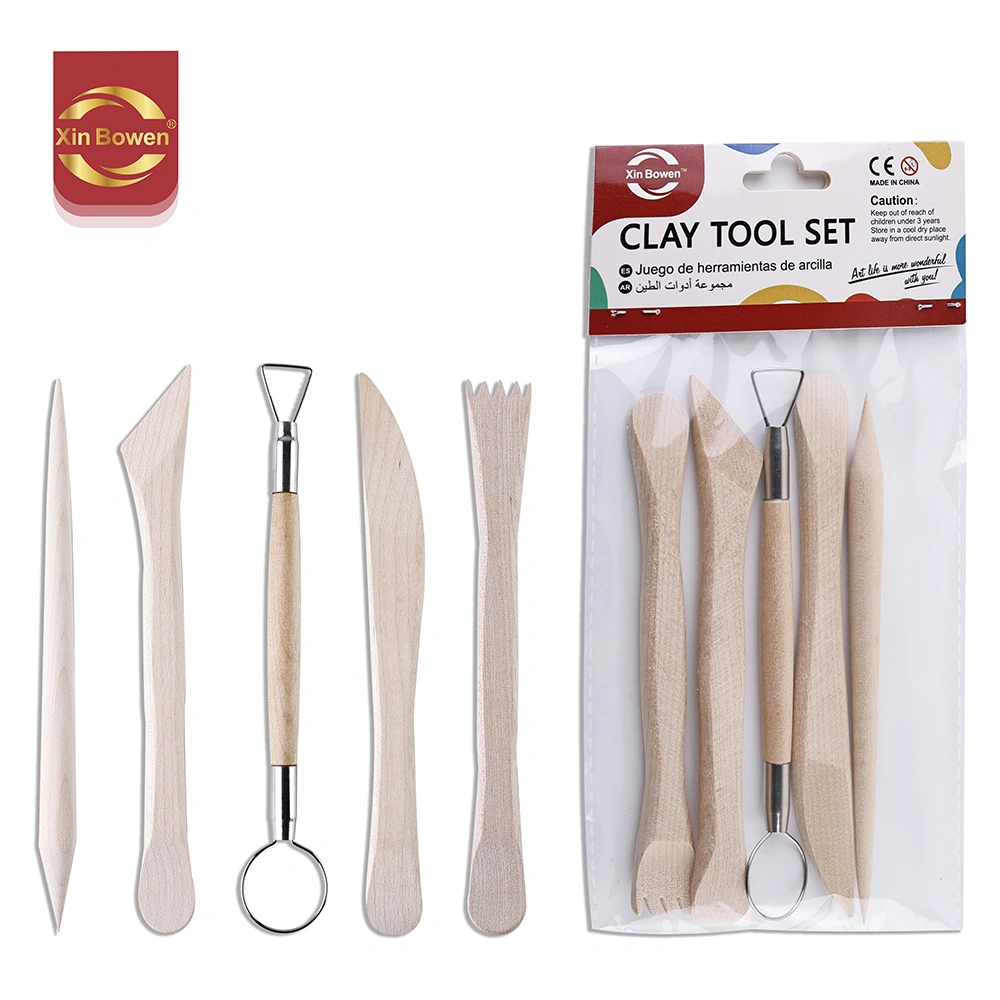
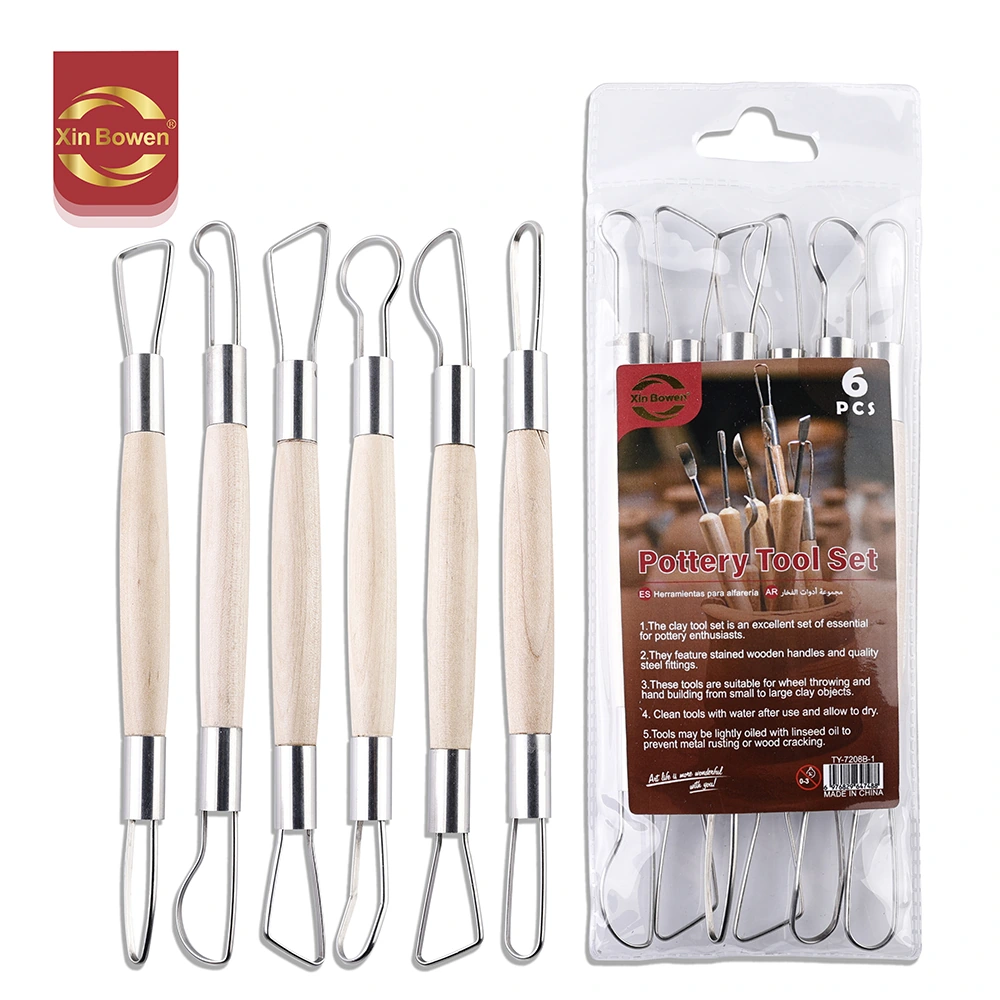
Wire loop tools prove vital for fine-tuning shapes. They work well for trimming spun pieces or cutting big clay chunks. Unlike simple beginner gear, advanced wire cutters use strong, sharp steel. This lets them cut through thick clay without pulling or bending the work. For exact trim jobs, makers often turn to our Wire Loop Tools. These hold their form under stress. Such gear lets users take off extra bits with careful accuracy. As a result, it creates smooth edges and sets the basic outline of the piece.
Multi-Functional Sculpting Sets and Double-Ended Models
Studio work runs smoother with handy, all-purpose gear that cuts down on tool swaps. Pro makers and schools rate full kits highly. Professional artists and educational institutions highly value comprehensive solutions, such as our Pottery Clay Sculpting Tools, which serve as an all-in-one kit for diverse modeling needs. These two-sided shapers often have a sharp side for cutting and a flat side for smoothing. So the maker can form, outline, and polish details without a hitch. Buying these combo sets means artists always have the fit tool for each step. That covers from rough cuts to last touches.
Detailing Essentials: Ribs, Scrapers, and Texture Brushes
Handling the surface and adding patterns marks the last, vital part of shaping. Here, the maker adds their personal touch. Ribs and scrapers help pack down clay bits and even out areas. Brushes add an unexpected but important job in pro ceramics. We suggest good Nylon Hair Brushes for putting on slip, glaze, or wetting fine spots. Nylon beats other stuff with its bounce and water pull. This makes it great for paints like acrylic or watercolor on baked clay. These brushes help add fine patterns or fix flaws. Best of all, they leave no rough lines behind.
Material Composition of Professional Sculpting Instruments
Stainless Steel vs. Carbon Steel Tips
How long a sculpting tool lasts ties right to the metal quality in its build. Pro shapers usually pick stainless steel tips. They fight rust and wear better. This matters since clay jobs mean steady wet contact. Carbon steel keeps a keen edge longer. But it needs steady care to stop rust. When getting tools for world sales, choose top stainless steel. It keeps stock clean in transit and storage. This meets what users expect for lasting use.
Ergonomic Hardwood Handles for Long Sessions
Ease plays a big role for artists who shape fine bits for hours. So, handling material counts a lot. Top tools come with smoothed wood grips, not low-cost plastic. This gives a sure hold that cuts hand strain. It also stops slips on wet or slip-covered hands. We add copper links to make the whole brush or tool firmer and nicer to see. Such a build care keeps the grip and band tight. In turn, it gives the steady base needed for exact work.
Critical Factors for Sourcing High-End Clay Art Supplies
Assessing Durability and Construction Quality
Sellers and buyers need to check the building standards carefully. They do this to skip bad faults that hurt their name. A usual problem is that the metal end pulls from the grip. Weak glue or bad squeezes cause it. At Xin Bowen, our check team watches buying and making closely. We make sure each step gets oversight. Plus, we use corn glue, a green and safe plant glue, to bind brushes and tools firmly.
The Importance of Customization and OEM Solutions
Markets vary in tastes. So offering customized tool groups gives B2B buyers a real edge. Off-the-shelf packs may not fit special school or studio needs. They want set mixes. We bring over 15 years of experience in making and tailoring. This lets us fit items to exact wants. From marking grips with a logo to picking special shapers, our customized fixes help partners build unique lines. These stand out in a full market.
How Xin Bowen Delivers Superior Sculpting Solutions
15 Years of Excellence in Manufacturing and Trading
We stand as a top name in art gear by blending making skills with world-selling know-how. With more than 15 years of experience in production and customization, Xin Bowen gets the ins and outs of global trade. We watch every buying and making step. This helps us keep tight, helpful links with suppliers worldwide. Our full setup lets us track deals anytime. We stay in touch with buyers and tweak as needed. So the end item matches what clients want spot on.
Rigorous Quality Assurance for Global Markets
Dealing with world safety rules matters for bringing art gear to spots like Europe and North America. Our key items pass global checks like CPC, EN71, and MSDS. Before sending, we run tight looks at each make and pack step. This makes sure goods hit these world rules. Our push for rules and quality gives partners calm. They know imports stay safe, strong, and set for shop sales.
FAQ
Q: What is the best brand of clay sculpting tools for professionals?
A: Determining the “best” brand often depends on specific needs, but professionals consistently look for manufacturers that offer a balance of material quality and ergonomic design. The most reputable brands are those that provide transparency regarding their materials—such as high-grade stainless steel and solid wood handles—and offer customized options. Buyers should prioritize suppliers with established manufacturing history and verifiable quality control certifications to ensure consistency across large orders.
Q: How do I choose between stainless steel and wood modeling tools?
A: The choice between stainless steel and wood tools depends largely on the intended application and the type of clay being used. Stainless steel tools are superior for cutting, slicing, and detailing because they can hold a sharp edge and are easy to clean, making them ideal for polymer clay and fine detailing. Wood tools are better suited for smoothing, blending, and shaping soft water-based clay, as they offer a natural drag that helps compress the material without gauging it.
Q: What are the essential clay sculpting tools for a beginner kit?
A: A well-rounded beginner kit should cover the three fundamental actions of sculpting: cutting, shaping, and smoothing. Essential items include a wire loop tool for removing material, a double-ended modeling tool for general shaping, and a sponge or rib for surface finishing. When sourcing these kits, look for customized sets that include a variety of tip shapes, ensuring that beginners have the versatility to experiment with different techniques as they learn.
Q: Why is product certification important for clay art supplies?
A: Product certification is critical because art supplies, including sculpting tools and associated paints, often come into direct contact with the skin. Certificates like EN71 and CPC indicate that the products have been tested for non-toxicity and mechanical safety, which is a mandatory requirement for selling in major markets like Europe and the US. Ensuring your supplier complies with these standards protects your business from liability and ensures the safety of the end-user.
Q: Can clay sculpting tools be customized for specific market needs?
A: Yes, premium manufacturers do offer customization services that assist retailers in differentiating their products. This can vary from imprinting a certain logo on the handles to developing a completely distinct tool form based on specific artistic needs. Skilled suppliers with overall industry and trade solutions can modify their production lines according to these customization requirements, providing flexible solutions for packaging as well as tool development for respective customer demographics