
Choosing the right art brushes affects the work of artists a lot. It also influences the earnings of store sellers. In the current lively art supply world, brush materials mainly split into old-style natural animal hairs and new synthetic fibers. Sourcing experts need to grasp the basic traits, supply chain stability, and price setups of these materials. And by looking at these choices, buyers can properly fit their stock to the exact needs of schools and pro artists.
Art Brushes Material Breakdown: Natural vs. Synthetic Options
Evaluating art brush materials requires a deep dive into the distinct advantages offered by both natural and synthetic categories. Each type serves different artistic techniques and presents unique considerations for volume purchasing.
Natural Hair Art Brushes: Traditional Performance and Sourcing Realities
Natural hair art brushes remain a staple in traditional fine arts due to their unique scale-like structure that holds moisture perfectly. These traditional applicators provide a smooth, organic painting experience that many professionals still prefer. However, from a B2B sourcing perspective, natural materials often bring supply chain challenges, including price volatility and inconsistent batch quality.
Hog Bristle: The Industry Standard for Heavy-Body Paints
Hog bristle art brushes serve as the undisputed industry standard for managing heavy-body acrylics and oil paints. The natural flagged ends of hog bristles allow these tools to effortlessly grab thick pigments and leave textured strokes on the canvas. Buyers placing bulk orders must note that natural bristle resilience varies by origin, making strict quality control essential.
Sable and Squirrel Hair: Premium Choices with Supply Chain Challenges
Premium watercolor art brushes frequently utilize sable and squirrel hair because of their exceptional water retention and fine-pointing capabilities. These luxurious materials are indispensable for professional watercolorists and advanced educational workshops. Despite their performance, high manufacturing costs, long lead times, and increasing cruelty-free ethical reviews are pushing brands to seek sustainable alternatives.
Fox Fur: Niche Softness for Professional Wash Techniques
Special fox fur art brushes give a fine, special finish when great softness is needed for gentle wash methods. Fox fur provides strong soak-up like squirrel hair. And this makes a special sales point for big mop brushes. Adding this exact material to a high-end product range lets sellers stand out in a very tough market.
Synthetic Fiber Art Brushes: Durability Meets Modern Technology
Current synthetic art brushes have grown from low-cost stand-ins into strong, pro-level main items. Fake fibers fully fix the supply chain unevenness linked to animal hair.
Premium Nylon: Cost-Effective Versatility for Bulk Orders
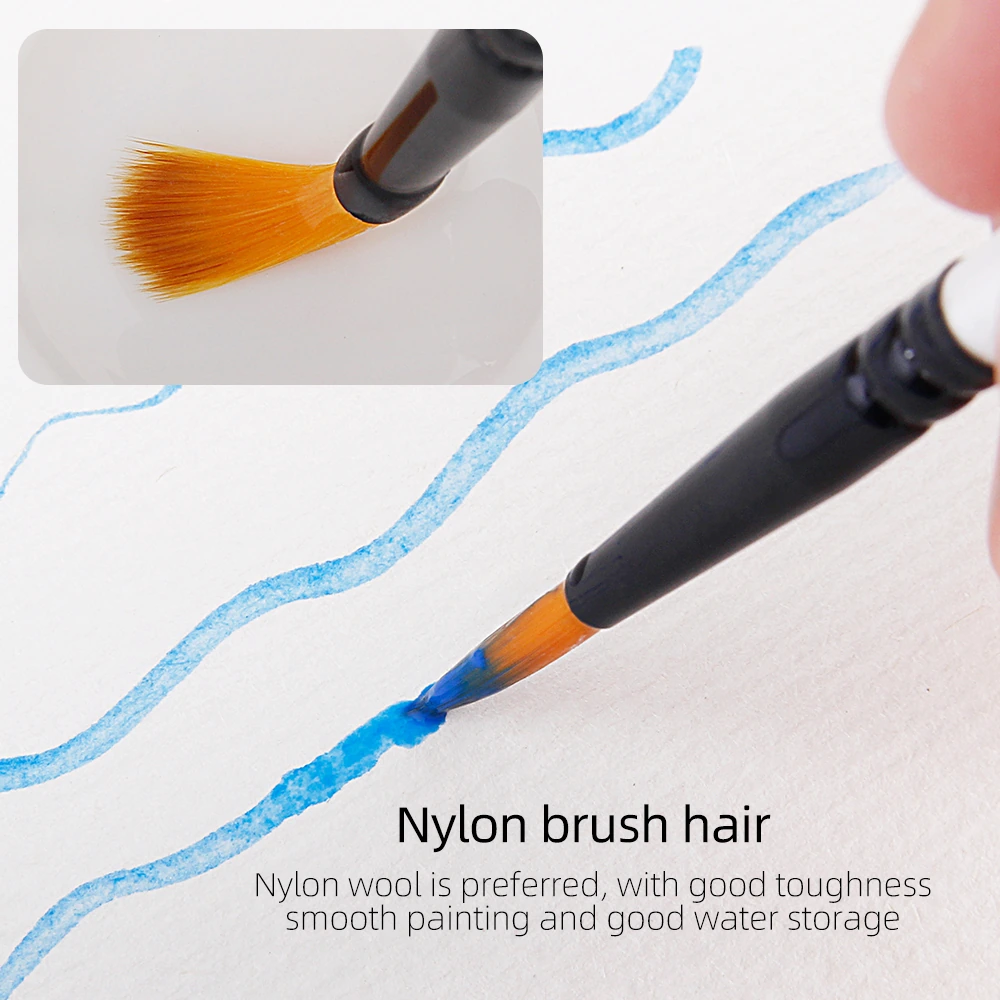
Premium nylon art brushes stand out as the most cost-effective and versatile choice for large-scale procurement. Nylon is highly wear-resistant and withstands various harsh solvents, making it the dominant choice for rigorous classroom environments and everyday retail. This stable performance secures nylon’s leading position in global educational supply chains.
Taklon and Blended Fibers: Mimicking Natural Snap
Vegan-friendly art brushes made from Taklon and blended fibers successfully mimic the natural snap of animal hair without ethical concerns. Utilizing multi-diameter extrusion technology, these advanced synthetics rival natural sable in shape retention and water control. For art brands targeting the expanding vegan demographic, these advanced tools represent a highly profitable growth avenue.
Categorizing Art Brushes for Target Media: A Buyer’s Strategy
Fitting bulk art brushes just right to certain painting types lets sellers boost buyer happiness. And it pushes for more buys over time. Various colors cause different amounts of damage to brush strands.
Oil and Watercolor Painting Art Brushes: Matching Bristle to Solvent
Picking old art brushes for watercolor and oil uses needs a thoughtful review of how the bristles respond to certain solvents. Turpentine in oil painting can lastingly harm poor synthetics. That is why solvent-proof natural hog bristles stay favored. On the other hand, watercolor painting depends much on the form-holding recall of top fibers or animal hairs after taking in water.
Acrylic and Mixed Media Art Brushes: High-Turnover Retail Opportunities
Acrylic art brushes built for quick-dry types offer fast-selling store chances. And these build the earnings base for sellers in bulk. Acrylic paint dries fast. And it can wreck strands if not cleaned right away. So the swap rate for these tools is high by nature. As a result, strong and simple-to-wash synthetic brushes get amazing repeat buy rates in this area.
-1.webp)
Art Brushes Quality Control: Solving Common Sourcing Pain Points
Fixing quality control problems in the art brushes supply chain is a must-do for importers checking foreign makers. Bad build spoils the painting’s feel. And it raises return expenses.
Eliminating Shedding in Bulk Art Brushes Production
Stopping strand loss in wholesale art brushes is the main goal for better output in large-scale making. Using double-crimped smooth aluminum or copper ferrules holds the bristles tight to the handle. This body support fully stops the hair-drop problems often caused by bad glue.
Certifying Art Brushes Safety: CPC, EN71, and MSDS Compliance
Getting the right safety papers for brought-in art brushes is a firm need for joining big North American and European store groups. Items for kids and learners get close checks on heavy metals and bad stuff. Working with a plant that gives real CPC, EN71, and MSDS test papers ensures safe border entry.
Customized Art Brushes Manufacturing: The Xin Bowen Factory Advantage
Building custom art brushes is the main push for foreign brands wanting a special market lead. We at Xin Bowen offer more than 15 years of full industry and trade know-how. And we give from start to end, making fixes. From material fitting to last packing, our strict check group cuts out dangers.
Optimal Art Brushes Material Pairing: Birch Wood Handles with Seamless Ferrules
Matching top strands with solid birch wood handles makes the best custom art brushes. They give better touch sense and a long life. Birch wood fights water and splits. So the brush stays steady for years of use. In our list, the Nylon+AL+Birch wood Art Brushes Set shows this top mix. It has bright colors and full sizes just right for school spreading.
OEM Art Brushes Solutions: Scalable Production for Global Markets
Growable OEM art brushes fixes let us at Xin Bowen quickly change to meet the varied needs of world art brands. If your aim market wants small detail tools, our Nylon+CU+Birch wood Art Brushes have top copper ferrules and tiny tips for great hold. Or for small online sellers eyeing a look appeal, our Pearl White Nylon+AL+Birch wood Art Brushes bring a fine sight design. And it always sells as a top item.
FAQ
Q: Which brand of professional art brushes is highly recommended?
A: Finding the best brand of professional art brushes relies fully on the planned painting type and moral choices. While old European makers are known for the best natural sable, many makers now like new brands that focus on new Taklon synthetics. These fresh stand-ins give good snap. And they fit the rising need for plant-based art items.
Q: How should buyers select the best art brushes for oil painting?
A: Selecting specialized art brushes for oil painting requires evaluating bristle stiffness and chemical resistance. Traditional natural hog bristle tools are ideal because their stiff, flagged ends hold heavy pigments and create distinct textures. For those preferring synthetic options, it is crucial to source chemically reinforced artificial fibers that can withstand harsh turpentine degradation.
Q: Are synthetic or natural art brushes better for beginners?
A: Synthetic art brushes are undeniably the superior choice for novice painters and art students. Artificial filaments are highly cost-effective, incredibly durable, and much easier to clean than animal hair. Since beginners are still mastering brush pressure and maintenance, premium nylon tools endure rigorous practice across acrylics and watercolors without losing their shape.
Q: Between natural and synthetic art brushes, which type lasts longer?
A: Good synthetic art brushes usually have a longer life. This is true especially with harmful types like acrylics. Fake fibers like nylon fight chemical holds and hard use by nature. But natural hair tools need careful cleaning to keep their natural oils. If not, they soon get hard, lose snap, and start dropping.
Q: What core quality features matter most when buying wholesale art brushes?
A: Buying wholesale art brushes means sellers must closely check ferrule build, handle stuff, and plant safety rules. Sure, tools need double-crimped smooth aluminum or copper ferrules to stop dropping. These attach to heat-dried birch wood handles for a firm build. Plus, checking that the seller has CPC and EN71 papers makes sure the stock fits the world store safety rules.