For distributors, education suppliers, corporate-event agencies, and private-label retailers, a painting kit now acts like a full program instead of just a simple box. Purchasers require a flexible layout. This layout must handle a ten-person workshop, a seasonal gift display, or a branded employee event. They want to do this without changing the whole product line every single time. Because of this, modular artist painting tools are gaining real interest in 2026. A solid core set, extra modules, and reliable packaging work together nicely. They transform a basic creative concept into a steady B2B offer.

Why does modular design matter to B2B art buyers now?
Creative wellness has grown past being just a small hobby topic. Businesses are including screen-free time in their team events. Hotels are trying out craft activities for their visitors. At the same time, retailers are putting together creative bundles. These bundles target shoppers who wish to complete a project in a single night. These different buyers do not require the exact same colors or surfaces. Instead, they seek a dependable supplier. This supplier must hold the main experience steady. Meanwhile, they must easily change the volume, medium, and final presentation.
Modular design also solves a very real problem. A massive piece count often covers up a poor item. If five brushes perform nearly the exact same task, the package might look huge. However, it will just confuse the user. A superior painting tools set assigns a specific job to each piece. It allows the purchaser to include only the modules they actually need. These modules directly support their specific event or retail channel.
Which modules create a useful first experience?
Before looking at single items, procurement teams must outline the exact activity. They need to know what the end user will actually do. A tiny canvas art class requires a very different setup compared to a watercolor demo. A school drawing lesson also needs its own specific mix. The actual project must dictate the core contents. The total item count should not drive this choice. This approach makes price quotes much easier to check. It also cuts down on sudden, late changes.
Core color module: a specific group of acrylic, watercolor, or oil colors chosen for the exact project.
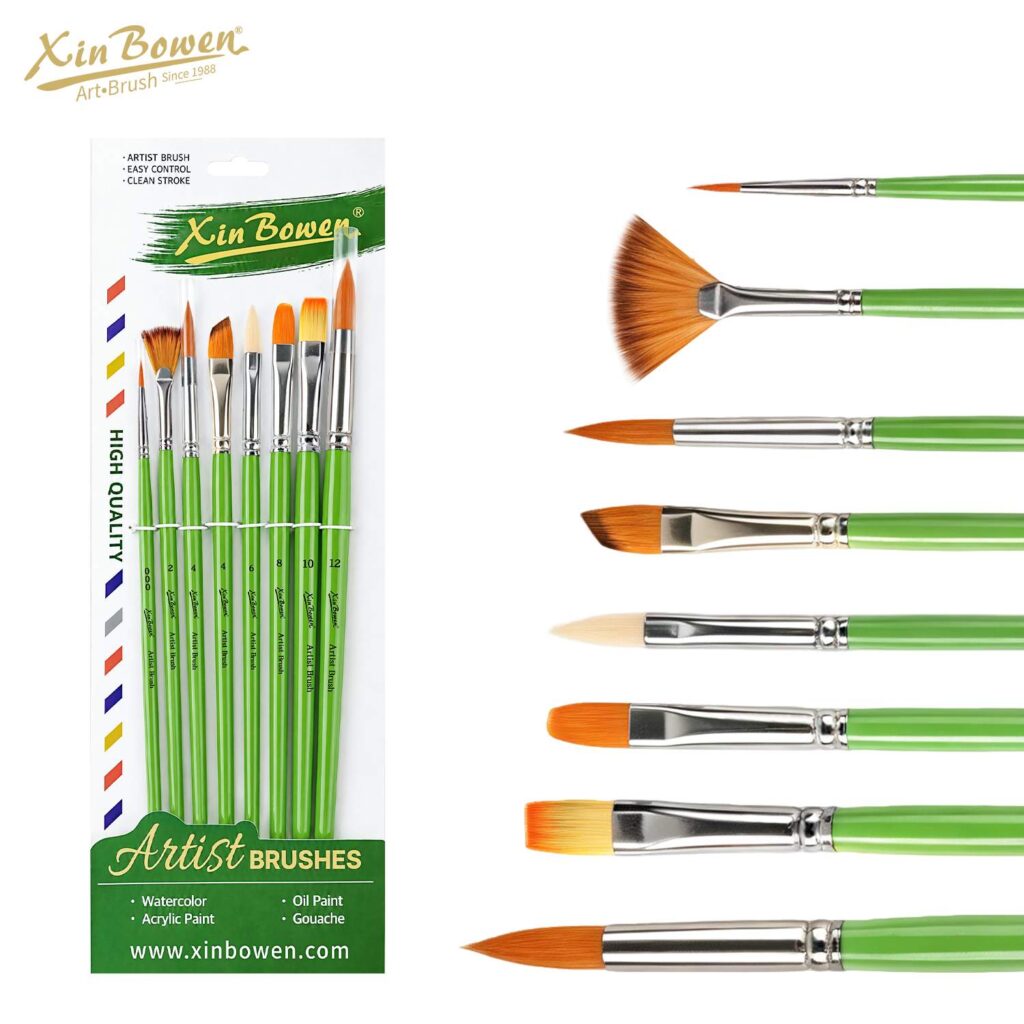
Brush module: a paint brush kit featuring distinct round, flat, and detail roles. This avoids useless duplicate shapes.
Surface module: paper, canvas board, or stretched canvas featuring clearly stated dimensions.
Support module: a paper palette, a mixing tool, or a compact standard easel. You add this only when the activity truly requires it.
Identity module: a custom sleeve, a paper insert, or a color card. This creates a strong private-label or event-specific presentation.
How should buyers set specifications before requesting samples?
After mapping out the modules, the next step involves a shared specification sheet. This document must remain simple. Marketing and purchasing teams need to use it together easily. Yet, it must stay detailed enough for proper production and quality checks. Projects often waste time due to mixed messages. The artwork might state one detail. The purchase order might list something else. Then, the final box holds a completely different version. A brief, agreed-upon list stops this confusing drift.
What brush and fiber details deserve attention?
The term synthetic painting can mean many different things to users. Purchasers must write down the fiber type or grade. They should also note the softness, spring, and tip recovery. Details like ferrule attachment, handle finish, and the intended medium matter greatly. A transition brush often helps with soft blending. However, its exact shape and purpose must appear in the specification sheet. You should never leave it as a blurry marketing term. These sharp details help retailers show true value. They do this without relying on false performance claims.
At Xin Bowen, we gladly discuss brush shapes and assortments. You can view these across our product range and our artist paint brush categories. Buyers can easily ask for a sample pack. They can then test these items in the planned activity. Finally, they approve a steady combination for the actual SKU. This careful process proves much more reliable than just picking a kit based on brush count.
How do surface choices affect the commercial model?
Online searchers frequently ask, “which canvas size is best for painting?” For B2B programs, the right answer depends on several factors. These include the session length, available table space, target price, and shipping method. A small canvas board remains very easy to hand out during a workshop. A larger stretched surface leads to bolder canvas art. However, it requires extra shipping protection. It might also alter the final carton quantities.
You must list the canvas frame thickness whenever you sell a framed or stretched product. Buyers also need to verify the fabric and the priming. They should check the finished dimensions and the corner support as well. These exact measurements supply the sales team with a strong product story. They also assist the warehouse workers. The staff can easily match new replacement surfaces to the first kit.
Can modular kits work across retail, education, and events?
The exact same core components can supply multiple channels. You just need to adjust the packaging and the total quantity. A retailer might require a shelf-ready box alongside a brief benefit statement. A school typically wants grouped packs. They also need clear counting and simple storage options. An event agency usually values quick distribution and an easy cleanup process. Modular planning allows a single approved component library to support all these versions. It does this without forcing you to invent totally unrelated products.
What should a retail version emphasize?
Retail shoppers must grasp the final result very fast. You should display the finished project clearly. Name the medium right away. Also, list the main components in a highly readable order. When selling art supplies for beginners, do not promise expert results. Instead, explain the very first activity. If you include colored pencils, remember a key rule. The best colored pencil set for beginners is simply the one that fits the paper and the project. It is not always the set holding the most colors.
Xin Bowen supplies painting brushes, paints, canvases, easels, drawing tools, and nice accessories. Purchasers can browse the artist painting tools set category. They can use these distinct product families as a solid base for a private-label brief. After that, they can narrow the final assortment down. They match it to a reasonable price band and a suitable pack size.
What changes for workshops and corporate programs?
Workshop buyers generally care about fast counting and a very clean handout process. A simple paper palette greatly reduces washing chores between activities. Meanwhile, a compact standard easel keeps a live demonstration visible. It does this without eating up the entire table space.
Think about a ten-person session. The buyer must check if the users will share colors or get individual tubes. They need to know the exact number of spare brushes required. They also must plan how to collect the used materials later. These minor choices impact human labor much more than a pretty decorative insert ever could. Furthermore, these details offer great data for carton planning and accurate event pricing.
What supplier support reduces risk in a modular launch?
Modular products absolutely require one strictly accountable process. The supplier must connect the initial brief, the physical sample, and the artwork. They also need to link the production plan, the inspection record, and the final packing list. Without this strong connection, things go wrong. Buyers might get a nice component in a totally wrong color. They might receive the correct box but lack the right accessories. Sometimes, they get a sample that fails to match the massive bulk run.
Xin Bowen proudly details a one-stop service. This smooth service merges design communication and production coordination. It also brings quality checks and packing talks into a single workflow. We happily assist buyers in comparing items. They can weigh a focused paint brush kit against a larger mixed-media set. Then, we help them confirm the exact modules approved for their target channel.
Before you release any purchase order, always ask for:
A detailed component list showing exact quantities, materials, dimensions, and tolerances.
Official sample approval records alongside a very clear change-control process.
Accurate inner-pack and master-carton measurements to help with freight planning.
Strict artwork checks that perfectly match the actual contents and the canvas frame thickness.
A solid inspection method covering brush tips, ferrules, painting surfaces, and printed inserts.
These crucial records are not just pointless paperwork. They serve a real purpose. They permit a distributor, a school buyer, or an event planner to compare different offers. They can judge reliability just as easily as they judge the price. These documents also make a second order much smoother. This happens because the approved module names remain perfectly clear from the start.
Conclusion
Modular artist painting tools sets offer B2B buyers a highly practical solution. This fits the growing 2026 creative-wellness market perfectly. The very best format begins with one single finished activity. Next, it adds only the necessary color, brush, surface, support, and identity modules. These pieces must serve that specific activity. Buyers need to define synthetic painting details clearly. They must also note canvas dimensions, canvas frame thickness, packaging data, and inspection points. They should do all this before approving any sample. At Xin Bowen, we blend our vast painting-tool range with expert sampling and customization. We also add deep production coordination and a true one-stop service. A neat modular structure easily supports retail gifts, school sessions, and corporate workshops. It aids future private-label launches too. It does this without cramming every sales channel into the exact same box. Furthermore, it hands sales teams a much clearer story. It gives operations teams cleaner pack data. Best of all, it provides customers with a fun first project they can actually finish.
FAQs
Q: Which canvas size is best for painting workshops?
A: Small canvas boards remain very easy to hand out. You should pick larger formats only when visual display impact matters more than compact shipping.
Q: Is a standard easel necessary in every painting tools set?
A: No, it is not. You should add one only when live demonstrations or visual displays form a core part of the planned activity.
Q: What makes synthetic painting brushes suitable for beginners?
A: Predictable fiber behavior and highly useful shapes help a lot. Secure ferrules and very simple care instructions also make these items much easier for new artists to use.


