

Why Choosing the Right Blank Canvas Matters for Watercolor
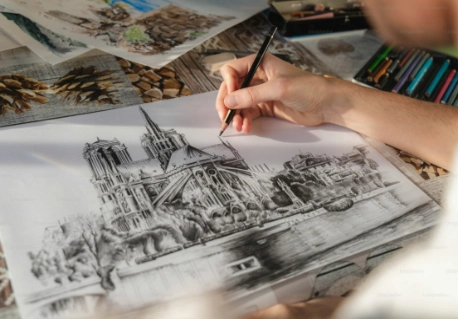
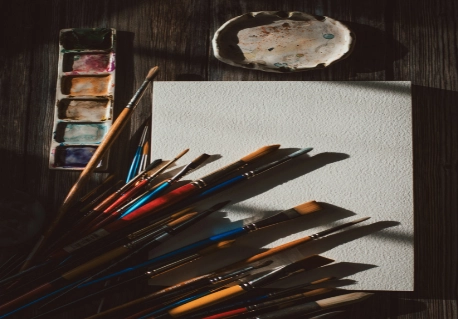
Creating fluid art starts long before the brush touches the surface. It begins with the right materials. Traditional canvases are made for oils and acrylics. Finding a blank canvas for watercolor needs a different approach. The way water-based pigments interact with your painting surface decides how well your piece turns out.
How Canvas Quality Affects Paint Absorption and Color Vibrancy
Watercolor depends on transparency. Light reflects from the surface below. A high-quality watercolor canvas lets the pigment sit on top without sinking fully into the fibers. This keeps the bright colors that professional artists and schools expect.
Why Surface Texture and Weight Influence Your Artwork
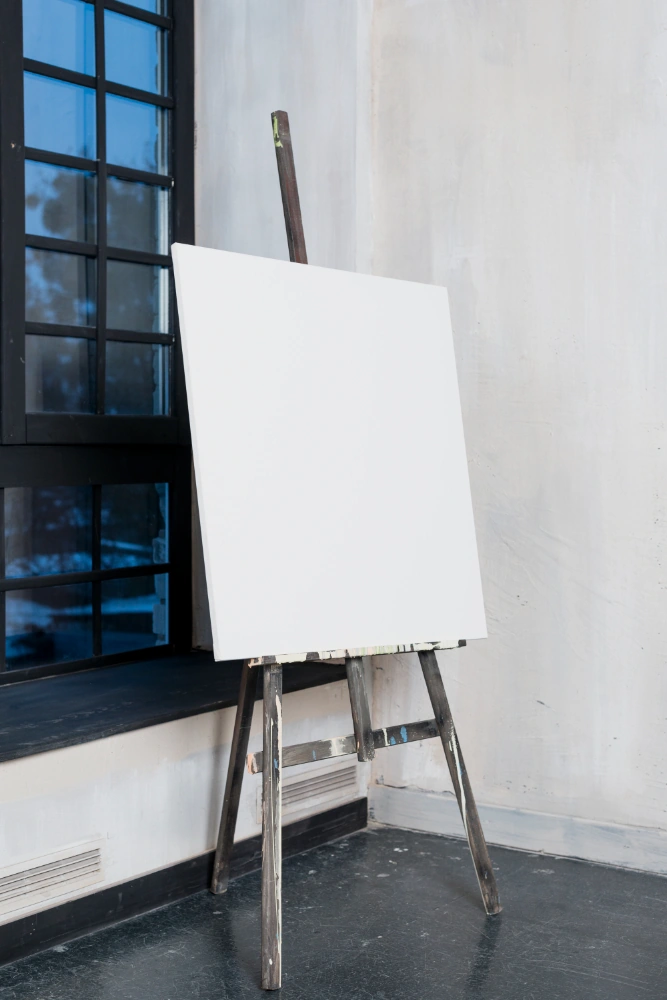
The physical traits of your blank canvas control how water pools and flows. A heavier weight stops warping during heavy washes. The surface texture works with your brush and affects both water spread and the depth of color.
How Using the Right Canvas Improves Control and Blending
When the surface matches your medium, you gain better control over wet-on-wet work. Pair a good surface with reliable tools like the Xin Bowen Artist Brushes 3384A—with strong nylon bristles and a comfortable birch wood handle—and you will see clear improvements in how smoothly colors blend.
What Types of Blank Canvases Are Suitable for Watercolor
Cotton vs Linen Canvas: Which Works Best?
For artists picking materials, the choice between cotton and linen matters. Cotton absorbs more water and costs less. This makes it a solid option for schools and overseas artists trying new methods. Linen gives more strength and a unique weave that many fine art painters prefer for gallery work.
Pre-Stretched vs Canvas Rolls: Pros and Cons
Pre-stretched canvases give quick convenience. They suit artists who want to start painting without building frames. For creators trying modern watercolor styles with metallic or opaque iridescent colors, we suggest the 30*40cm Blank Black Stretched Canvas Frame. This mid-sized option gives a dark, ready surface. Luminescent water-based pigments stand out clearly on it and offer a fresh look for current art.
Primed vs Unprimed Canvases: Understanding Watercolor Grounds
A dedicated watercolor ground makes a normal canvas absorbent enough for water-based media. An unprimed surface requires you to add this ground yourself. Buying a pre-primed blank canvas for watercolor saves time and gives an even coating.
How to Evaluate Canvas Texture and Weight
How Texture Impacts Brush Strokes and Detail
A rougher surface holds pigment well. This works for dry brushing. A smoother surface allows long, clean lines. The right texture helps keep sharp edges in detailed architectural or botanical work.
Why Weight Matters for Durability and Stretching
In watercolor, buckling is a big problem. A higher gram-per-square-meter (GSM) weight gives the strength needed to handle heavy moisture without warping. Your artwork stays flat and lasts longer.
Tips for Testing Canvas Before Full-Scale Projects
Always tape off a small area of your blank canvas first. Test how it holds moisture, lifts color, and shows vibrancy. This simple check avoids ruined work and wasted supplies.
How to Match a Canvas to Your Painting Style
Choosing Canvases for Loose, Expressive Watercolor Techniques
If your style uses free blooms and heavy washes, choose a heavily textured, cold-pressed surface. Water pools naturally on it and creates lively textures that suit loose watercolor painting.
Selecting Canvases for Detailed, Fine Art Watercolor Work
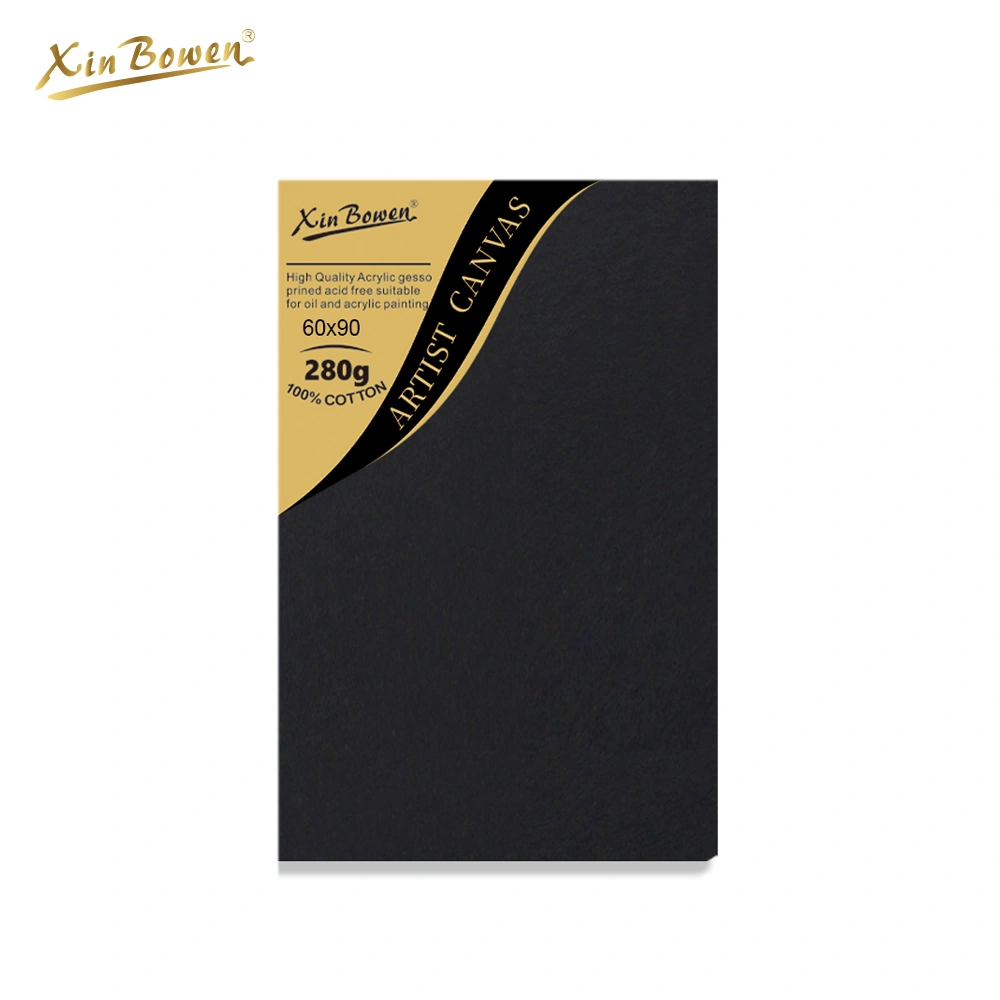
For large, museum-quality pieces that need both size and fine detail, bigger formats help. The 60*90cm Blank Black Stretched Canvas Frame gives a wide, dark background. It works well for large gouache and opaque watercolor projects. The even tension across this frame lets professional artists add fine details without surface sagging or uneven pigment in the center.
How Surface Preparation Can Enhance Specific Styles
Adding several layers of watercolor ground and light sanding between coats can create a smooth finish. This gives flexibility to adapt one canvas type to different painting styles.
Common Mistakes When Selecting Blank Canvases
Using the Wrong Canvas Type for Watercolor
Using watercolor on a standard oil-primed canvas causes water to bead and roll off. Always check that your surface is made or prepared for water media.
Ignoring Canvas Priming or Preparation Needs
Skipping proper priming on an unprimed canvas leads to muddy colors and uneven absorption. This can ruin the brightness of your paints.
Buying Low-Quality or Inconsistent Materials
Uneven tension and weaves in low-cost materials can waste hours of work. Source supplies from trusted makers.
How Xin Bowen Supports Artists with Quality Canvases
Why Xin Bowen Blank Canvases Ensure Consistent Performance
At Xin Bowen, we know consistency matters for professional art. We make our blank canvases with even absorbency and reliable tension. Every piece performs as expected, wash after wash.
How Artists Can Rely on Xin Bowen for Various Sizes and Materials
Whether you need small formats as an independent artist or large solutions as an institution, we offer many sizes. We also handle customized orders. Overseas artists and schools can adjust canvas sizes and specs to fit their exact project needs.
FAQ
Q: How do I know if my blank canvas is suitable for water-based media?
A: The correct blank canvas for watercolor painting is one that has been treated with a special absorbent coating known as watercolor ground. If water simply beads up and doesn’t penetrate at all, the surface is probably set up for use with oils or acrylics paint and is NOT suitable for use with watercolor paints.
Q: Can I use standard acrylic gesso to prep my blank canvases for watercolor painting?
A: No. Standard gesso forms a plastic-like layer that resists water. To prepare your blank canvases correctly, use a dedicated watercolor ground. It contains materials that copy the absorbency of traditional watercolor paper.
Q: What makes a customized blank canvas better for professional creators?
A: A customized canvas lets artists set exact dimensions, weight, and texture for a specific idea. At Xin Bowen, our custom services make sure the materials match unique technical and visual needs.
Q: How do I prevent my watercolor canvases from warping when applying heavy washes?
A: To avoid warping, pick watercolor canvases with high GSM weight. Make sure they are stretched tightly over strong frames. Good wooden stretcher bars and proper tension reduce the chance of buckling under heavy moisture.
Q: Can water-based paints be used effectively on dark or black canvases?
A: Yes. Opaque water-based media such as gouache, metallic watercolors, or interference paints create strong contrast on a dark blank canvas. The dark background makes light, glowing colors stand out and gives a bold approach to traditional painting.