

Why Are the Right Pottery Carving Tools Critical for Your Art in 2026?
Achieving Professional Precision and Clean Finishes
In ceramic work, sharp cuts and even surfaces set basic pieces apart from top work. Wrong or cheap tools often leave bumpy edges and drag lines when you trim. Good pottery carving tools cut smoothly. They help makers get clean results on tricky patterns and straight lines. This care is key for art fans abroad and schools that aim for fine looks.
How High-Quality Tools Reduce Hand Fatigue During Long Sessions
Pros often work for hours in their space. Poor design can cause real strain in hands and wrists. Smart pottery carving tools think about more than just sharp edges. They also cover weight spread and handle hold. Good balance spreads out the push from long shaping. As a result, you keep steady control over full work times.
Wood vs. Metal Pottery Carving Tools: Which Material Fits Your Style?
The Benefits of Traditional Wood Carving Kits for Texture and Comfort
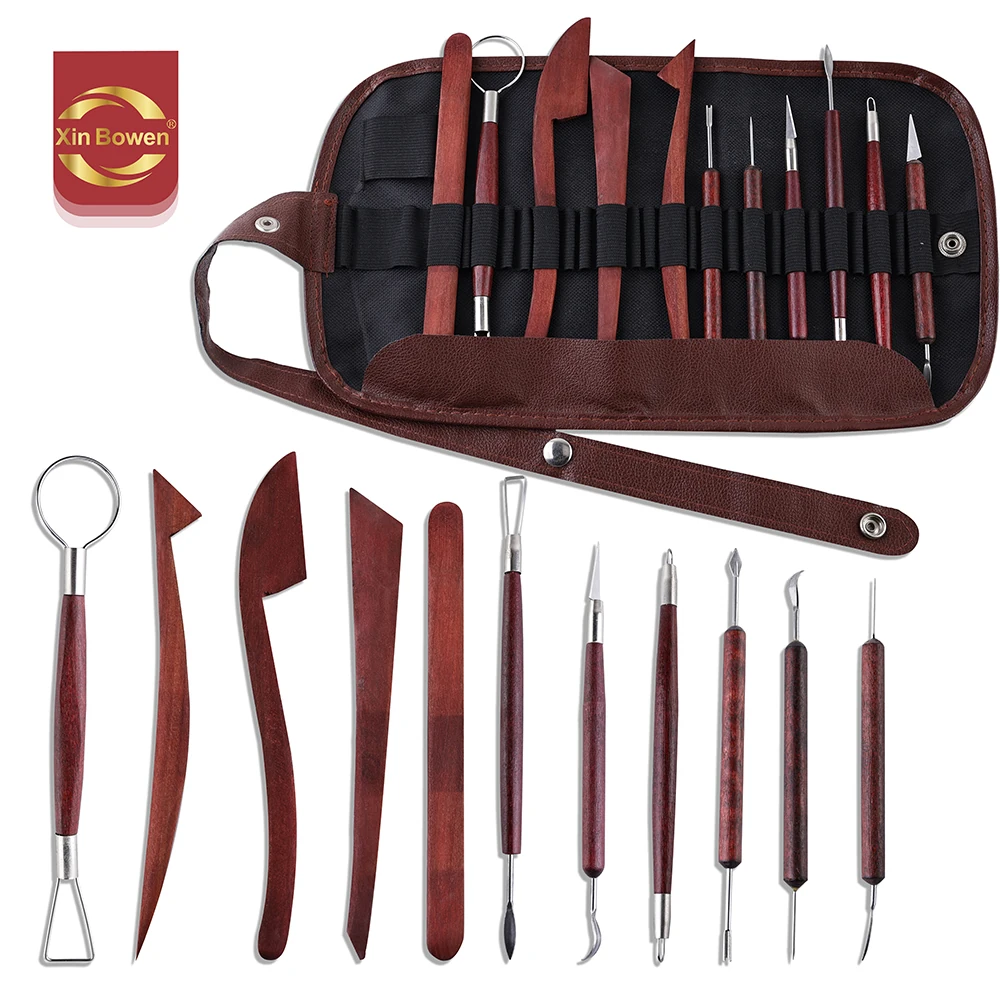
Wood tools have long been picked by classic ceramic schools. They offer a warm feel and good fit with clay. These tools shine at forming big, even areas, setting main shapes, and blending parts. For example, our 11pcs Red Wood Clay Combination Tools Set comes from fine red wood. This kit gives a solid hold. It also has many basic shapes. So it meets needs from the first try to produce smoothness.
Why Modern Metal Carving Tools Are Essential for High-Detail Work
When work moves to fine scratch patterns or deep cuts, metal’s edge and slim build can’t be beat. Strong stainless steel slices into firm, half-dry clay blocks with ease. For spaces that chase top details, we at Xin Bowen suggest adding the 10pcs Metal Molding Ceramics Cutter Scraper Tools to your setup. Its keen tips and useful two-ended blades tackle tough, small cuts without effort.
Comparing Durability and Long-Term Value for Studio Owners
For large art studios and distributors, purchasing decisions often hinge on long-term durability. Wooden handles provide an irreplaceable natural feel but require careful moisture protection, whereas metal components offer superior break resistance and only need basic rust prevention. Combining both materials usually provides creators with the most comprehensive functional coverage and the best return on investment.
What Are the Must-Have Features in a Professional Carving Tool Set?
Ergonomic Handle Design: Balancing Control and Comfort
A solid carving kit needs handles that fit your hand well. This could be the even polish on red wood or the no-slide grip on metal. Smart weight spots boost your aim a lot. They also stop slips from wet hands.
Versatile Blade Shapes: From Fine Sgraffito to Deep Hollow-Outs
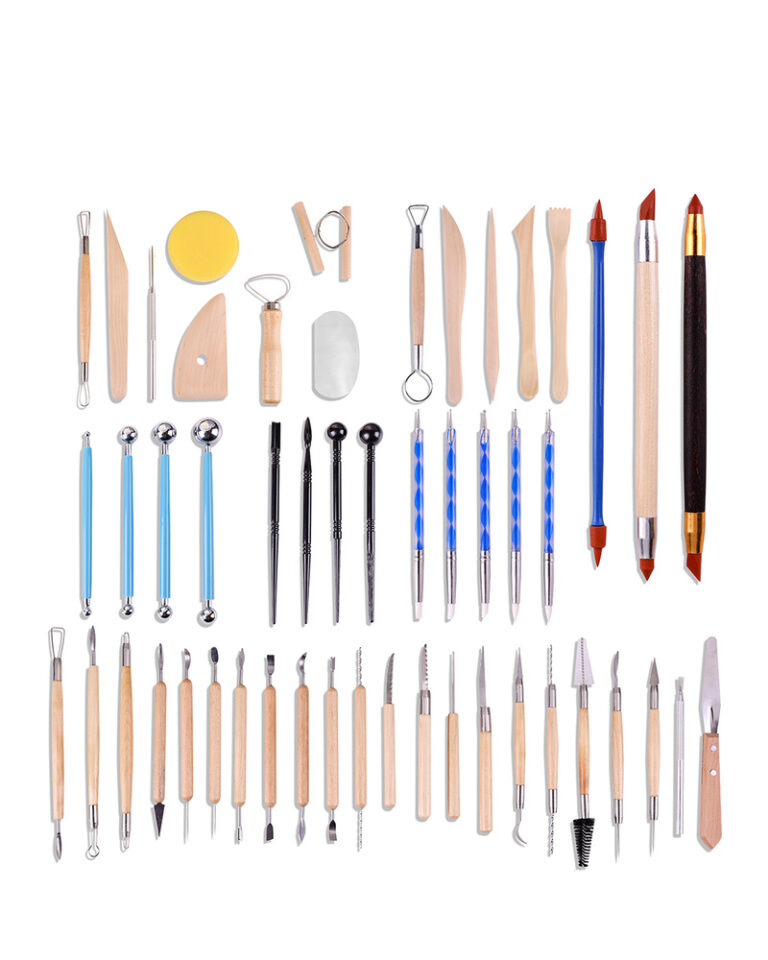
A pro tool group should cover all bases. The best kit has loop tools for quick digs, flat edges for even tops, needle points for air holes and thin lines, and scrapers at different tilts. Together, they fit the whole job from big forms to small fixes.
How to Choose the Best Pottery Carving Tools for Different Clay Types?
Best Tools for Leather-Hard Clay: Precision and Sharpness
When clay reaches leather-hard consistency, it is the optimal time for deep carving. The material has enough structural support and resists deformation. Sharp metal loop tools are the top choice for this stage; they can slice the crispest lines without dragging out excess clay debris or ruining the overall structure.
Carving Bone-Dry Clay: Minimizing Dust and Preventing Chipping
As clay enters the bone-dry state, its structure becomes highly fragile, making operations prone to dust generation and edge chipping. During this phase, you should select specialized trimming scrapers with extreme hardness and a small contact area. Apply extremely gentle pressure to scrape and sand, avoiding large-diameter blades that might cause the artwork to crack.
Pro Tips: How to Maintain Your Carving Tools for Maximum Lifespan?
Effective Cleaning Methods for Wood and Metal Components
Proper cleaning is the first step to extending equipment lifespan. Always clean your supplies before the clay hardens after each use. We recommend wiping wooden parts with a slightly damp sponge and air-drying them quickly—never soak them in water for long periods. Metal blades need to be thoroughly washed of mud to prevent mineral residues from corroding the surface.
Storage Solutions to Protect Blades from Rust and Dullness
Keep storage spots dry. Put a bit of rust-stop oil on metal tips now and then. Store in cloth bags with slots for each. This blocks wet damage. It also stops blades from hitting and losing their edge in moves or daily use.
Why Sourcing from a Reliable Partner Like Xin Bowen Enhances Your Business?
Ensuring Quality Consistency for Large-Scale Professional Orders
We at Xin Bowen come from years of experience in art tool making. We know steady quality counts big for B2B buyers abroad and pros. Our check team watches raw buys to end build tight. So every load of pottery carving tools hits the world’s rules and pro needs just right.
Tailored Solutions for Art Schools and Wholesale Distributors
We do more than sell ready-to-top items. We give bendy custom help for art schools, big spaces, and world sellers. If you want blade tweaks for class plans or special packs to lift your name, Xin Bowen is your strong supply line. We offer quick tech aid and full after-care.
FAQ
Q: What basic pottery carving tools should a beginner buy to start their journey?
A: New makers should get a mix kit with wood and flat metal tools. This setup lets you test holds and cuts from varied stuff without big spend. It helps you build your shaping way step by step.
Q: How often should I sharpen my metal pottery carving tools to keep them in top condition?
A: It depends on how much you use them and the clay’s grit level. For daily pros, hone metal edges with fine paper or a stone every two to three weeks. This keeps cuts clean and sharp.
Q: Is it safe to use wooden pottery carving tools on bone-dry clay?
A: You can try, but we don’t suggest it. Bone-dry clay grinds hard on wood’s soft edges and wears them fast. At that point, tough stainless steel works more safely and quickly.
Q: Why do metal pottery carving tools rust, and how can I prevent it?
A: Wet clay minerals left behind or damp rooms cause rust mainly. To stop it, clean and dry fully after use. Add a thin oil coat, and keep it in a dry air box with vents.
Q: What are the core advantages of purchasing customized pottery carving tools for large art education institutions?
A: Custom picks let schools match blade forms and handle fits to class needs and student comfort. This fits teaching gear closely. It also boosts the school’s professional look and sets up rules through Xin Bowen brand marks.