

Painting at Easel: Why Tool Selection Directly Affects Painting Results
Painting at an easel reshapes how paint, gravity, and hand movement interact, making tool selection a decisive factor rather than a background choice. When artists work on a vertical surface, even small differences in paint consistency or brush elasticity can alter edge control, color stability, and physical endurance. This is why easel-based painting often exposes material limitations that remain unnoticed in flat or tabletop work.
Painting at an easel also shifts choices in the making process. Fixes, layers, and mixes act differently under the pull of gravity. Tools that work fine in usual studio spots may turn shaky when held upright. This is why skilled artists adjust their supplies just for easel steps.
Painting at Easel vs Tabletop Painting: Key Workflow Differences
Painting at an easel introduces vertical resistance that affects stroke direction, pressure distribution, and paint loading. Unlike tabletop painting, gravity continuously pulls paint downward, increasing the risk of sagging, uneven opacity, or unintended blending. As a result, both paint formulation and brush structure must support controlled application.
Painting at an easel also encourages broader arm movement and a longer viewing distance. Longer brush handles and balanced weight distribution become important for judging proportions and composition. These physical differences explain why easel painting places higher demands on brush stability and material consistency.
Common Challenges Artists Face When Painting at an Easel
Painting at an easel frequently reveals issues such as unstable paint flow, premature brush deformation, and hand fatigue during long sessions. Acrylic paint that dries too fast can leave harsh edges, while oil paint with insufficient body may drift on vertical surfaces.
Painting at an easel also pushes for wider arm swings and a farther look distance. Longer brush sticks and even weight spread are vital for sizing up parts and layout. These body changes show why easel painting asks more from brush steadiness and supply sameness.
Paint Types Best Suited for Painting at an Easel
Paint behavior becomes more critical in painting at an easel because vertical application amplifies viscosity and drying characteristics. Oil, acrylic, watercolor, and gouache each respond differently to gravity and layering, requiring thoughtful matching with brushes and working style.
Oil Paint Characteristics for Easel-Based Painting
Oil paint remains a preferred medium for painting at the easel because its slow drying time supports continuous adjustment on vertical canvases. This flexibility allows artists to refine transitions, build depth, and correct proportions without rushing decisions.
Acrylic Paint Performance on Vertical Painting Surfaces
Acrylic paint is widely used in painting at an easel because it adheres well and supports fast-paced workflows. However, rapid drying can introduce edge control challenges when working upright, making viscosity stability essential.
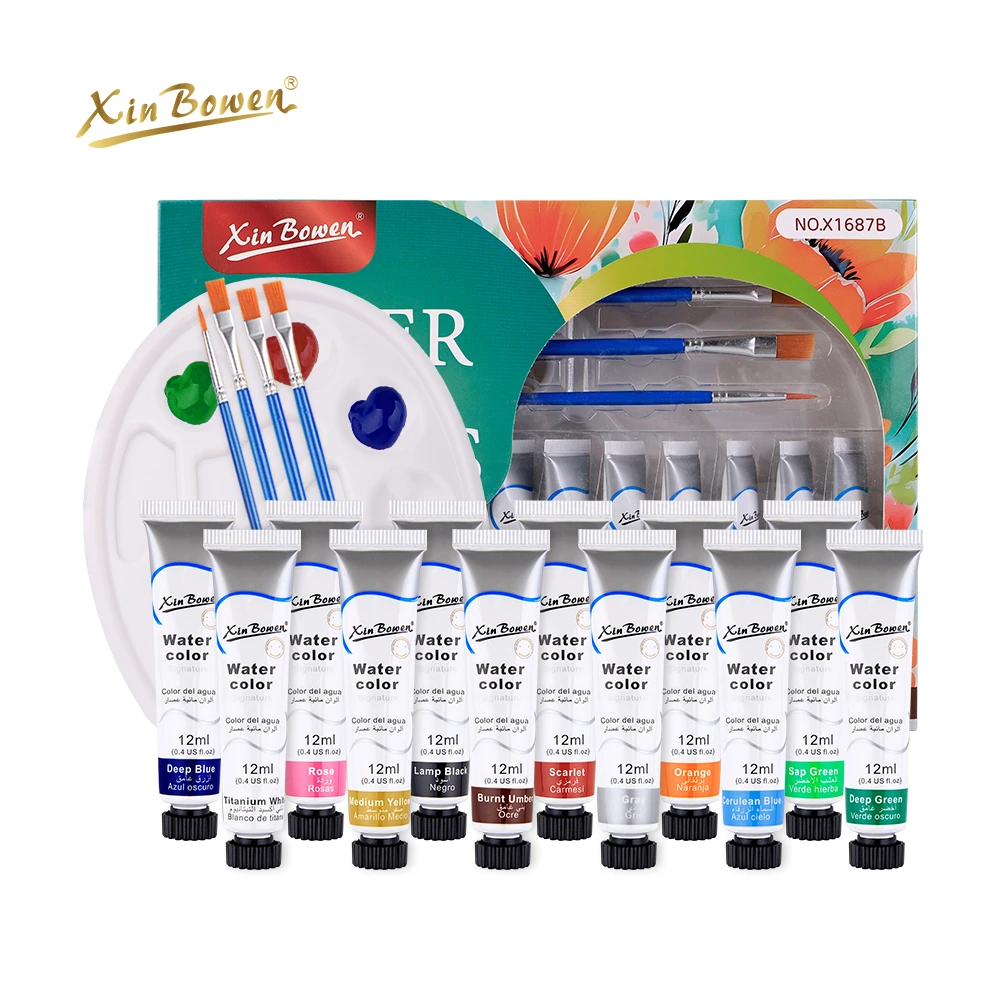
Our Acrylic Paint Set is developed to balance coverage, durability, and leveling, allowing artists to maintain control during vertical application. We also support customized acrylic paint options where fluidity, color range, and packaging are adjusted based on studio, teaching, or professional use scenarios.
Watercolor and Gouache Use in Easel Painting Scenarios
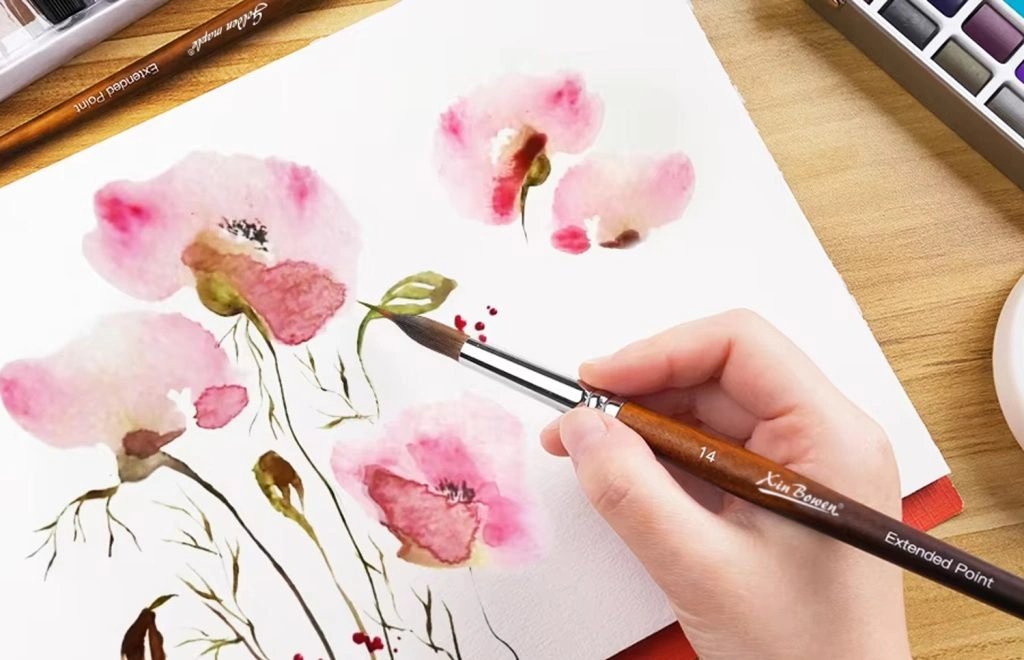
Watercolor painting at an easel requires precise water control because gravity accelerates pigment movement. Brushes with strong water retention and responsive tips help maintain predictable flow without excessive dripping.
Gouache offers higher opacity and performs well in easel painting when layered coverage and matte finish are desired. Its moderate thickness makes it suitable for controlled vertical strokes, especially when paired with soft yet resilient brush fibers.
Paintbrush Selection for Painting at an Easel: Materials and Shapes
Brush work sets how well paint answers hand motion in painting at the easel. Hair type, form, and build grade all touch exactness, stamina, and sameness on a straight surface.
Brush Hair Types That Perform Best for Painting at an Easel
Nylon brushes are highly adaptable for painting at an easel because they combine elasticity, shape retention, and easy maintenance. These characteristics make them suitable for acrylic and watercolor applications that demand repeatable control.
Natural animal hair brushes excel in easel-based watercolor and detailed work, where water absorption and pigment release must remain stable. Their responsiveness supports smooth transitions and refined edges during upright painting.
Bristle brushes remain essential for oil painting at the easel because their stiffness supports heavier paint loads and textured strokes. Their resistance to deformation allows repeated vertical application without loss of structure.
Brush Shapes Commonly Used in Easel Painting
Brush form choice touches work speed in painting at the easel. Flat brushes back fill and set strokes. Round brushes take care of details and line change.
Filbert brushes mix line softness and path hold. They work great for mixes on straight canvases. Many Xin Bowen brush packs are set up with flat, round, and filbert choices. This backs many easel painting steps in one custom set.
Handle Length, Ferrule Stability, and Balance Considerations
Stick length plays a big part in painting at an easel. Longer sticks allow for better space judgment and stance. Weak metal band links can slacken under steady pressure. This hurts stroke exactness.
Matching Paints and Brushes to Different Easel Painting Styles
Painting at an easel differs a lot by theme and work spot. Face, land, and class settings each need varied work goals when picking paints and brushes.
Portrait and Figure Painting at an Easel
Portrait painting at an easel demands smooth blending, accurate color control, and stable brush tips. Brushes must retain shape while allowing subtle transitions, and paints must remain workable without drifting.
Artists here often pick fine nylon or natural hair brushes. They pair with even acrylic or oil paints. Our custom brush packs for figure work stress, end exactness, and steady color take.
Landscape Painting at an Easel
Landscape painting at an easel gains from brushes that manage wide coverage and rough change. Bigger flats and filberts back skies and ground. Smaller rounds polish key spots.
Studio Practice vs Teaching and Demonstration Scenarios
Teaching-focused painting at an easel prioritizes safety, ease of use, and repeatability. Brushes must withstand frequent cleaning, and paints should be non-toxic and stable over time.
Practical Criteria Artists Use When Evaluating Paints and Brushes for Easel Work
Artists check supplies for painting at an easel on true work, not just lists. Sameness, lasting, and care needs shape long satisfaction.
Consistency, Durability, and Long-Term Use Performance
Sameness counts key in painting at the easel. Shaky action breaks the workflow. Brushes that hold form and paints that fight split let artists focus on layout, not fixes.
Lasting also counts for studios and teachers who count on repeat use. Our check steps make sure brushes and paints keep working over long runs.
Ease of Maintenance and Storage
Simple, clean touches brush life in easel painting spots. Nylon brushes bounce back fast after washing. Natural hair brushes benefit from the right care.
How Xin Bowen Supports Reliable Painting at Easel Through Product Design and Customization
Past parts point out hold loss, wear, and supply shake as the main issues in painting at the easel. At Xin Bowen, we turn these real needs into use-fit goods and help.
Brush Manufacturing Focused on Easel Painting Performance
Our brush making stresses supply pick, build steadiness, and work split. Nylon paint brush sets, natural hair watercolor brushes, and bristle oil brushes are built to fit set easel painting needs.
Custom brush setups let buyers pick hair type, form, and stick specs by use spots. This backs even easel painting outcomes.
Paint Formulation and Customization for Easel-Based Use
Our paint lines hold acrylic, oil, watercolor, and gouache goods mixed for steady, straight use. Custom paint picks let you tweak in thickness, color setups, and pack types.
By linking paint action with easel workflows, we aid artists to cut fix time and keep making drive.
Application-Oriented Product Classification and Quality Control
Xin Bowen sorts goods by skill grade and use, not broad tags. Starter and pro splits show in supply grade, face care, and work tests.
Quality control teams monitor each production stage to ensure brushes and paints consistently meet easel painting expectations across global markets.
FAQ
Q: What paints work best for painting at an easel in professional studios?
A: Paints with stable viscosity and strong pigment adhesion perform best for painting at an easel, especially acrylic and oil formulations designed for vertical application.
Q: How to choose brushes for painting at an easel without losing control?
A: Brushes with good elasticity, balanced handles, and reinforced ferrules help maintain control during painting at the easel, particularly in long sessions.
Q: Painting at an easel with acrylic vs oil: which is easier to manage?
A: Acrylic painting at an easel supports faster workflows, while oil painting offers more blending time and adjustment flexibility.
Q: Are nylon or natural hair brushes better for painting at an easel?
A: Nylon brushes are versatile and durable for painting at an easel, while natural hair brushes excel in water-based media requiring refined control.
Q: What matters most when evaluating paints and brushes for painting at an easel?
A: Consistency, durability, ease of maintenance, and safety compliance are the most important factors for painting at an easel.