

Choosing the Right Book Drawing Book for High-Detail Work
Paper Texture: Tooth vs. Smooth Surfaces for Fine Lines
A good drawing book stands out due to its paper feel, known as “tooth.” This factor decides how well graphite sticks to the page. Artists who want lifelike details should pick paper with a smoother side. People call it “plate” or “hot press.” Heavy texture can split thin lines. It can also make shading look rough. On the other hand, paper with too little tooth may not hold enough graphite for strong contrasts. So, a medium-smooth surface often works best for careful pencil tasks.
Why Paper Weight Is Crucial in a Quality Book Drawing Book
Paper weight matters a lot when you pick a book drawing book for close work and building layers. Light paper under 100gsm often warps from a firm pencil press. It can rip during highlight erasures. But thicker paper at 150gsm or more gives a solid base. It handles heavy changes well. This strength keeps your fine details sharp. It also holds the page flat. In turn, it protects your drawing’s quality.
Essential Tools to Enhance Your Book Drawing Experience
Selecting Graphite Grades for Precision and Depth
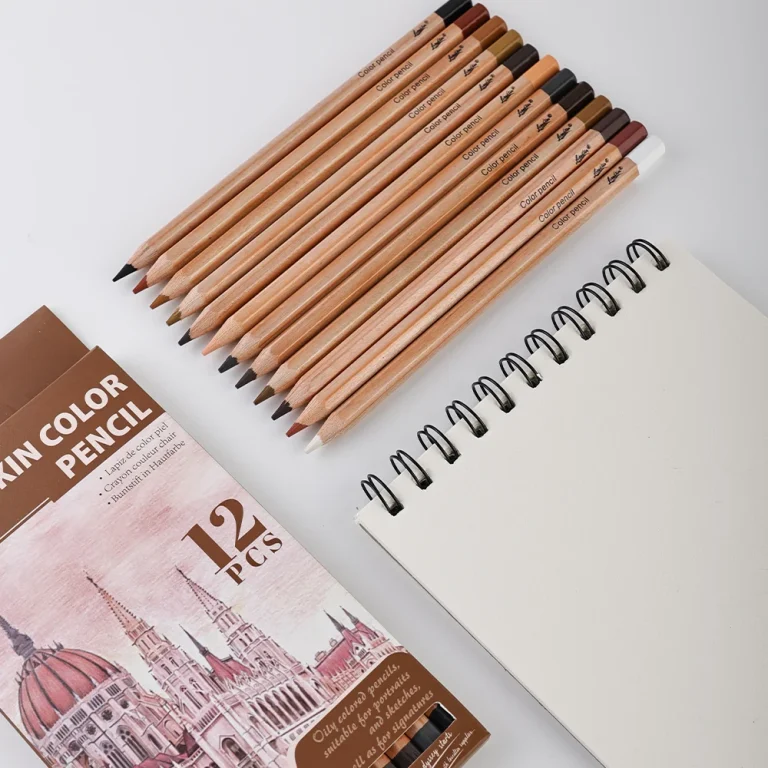
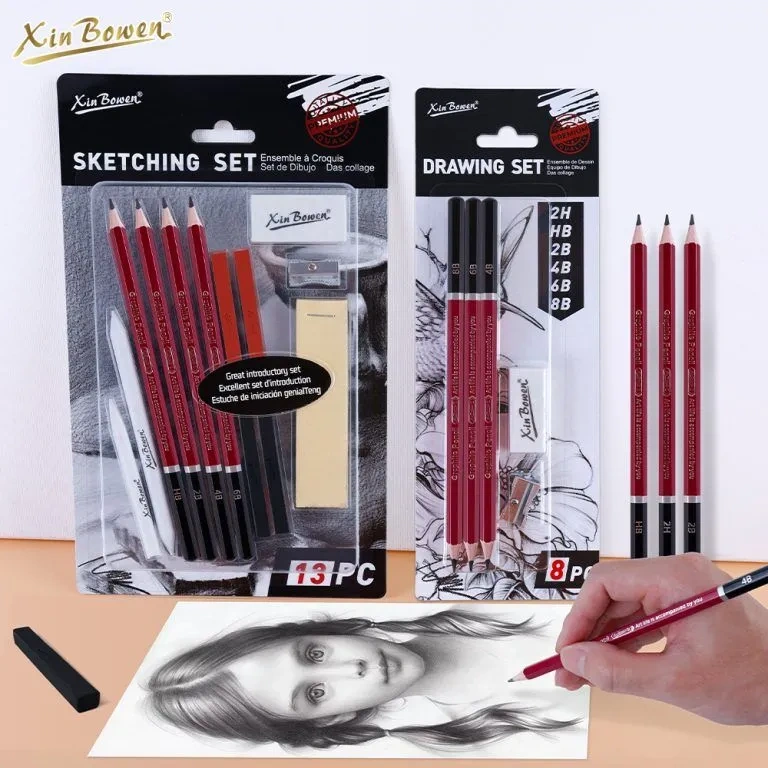
You need to know all graphite types to add real depth to drawings in a drawing book. This avoids blurring small parts. Firm sketch pencils like 2H or 4H suit light starting lines. They work for tiny textures such as skin holes or hair bits. These hold a point well and drop little graphite. Then, switch to softer ones like B, 2B, or 4B. They help build dark shades in shadow spots. This creates the difference that makes details stand out.
Must-Have Accessories for Clean and Detailed Sketches
Mechanical Pencils vs. Traditional Wooden Pencils
Precision in a drawing book often requires the consistent line width that only mechanical pencils can offer. While traditional wooden pencils are excellent for expressive shading, a mechanical pencil with a 0.3mm or 0.5mm lead ensures that your tool remains perpetually sharp for microscopic details like eyelashes or architectural textures. Using both tools in tandem allows an artist to cover large areas quickly while maintaining the capability for surgical precision.
Erasers and Blending Stumps for Micro-Adjustments
Getting things just right means removing as much as adding. So, good erasers and shaping tools are key for fine tweaks. A kneaded eraser pulls up graphite softly. It makes light spots or feels without harming the paper. Paper blending stumps smooth shifts in tight areas. A finger would be too rough there. These items often come in full sketch sets. They offer a range of pro-level fine work.
Advanced Techniques for Perfecting Detail in Your Drawing Book
The Layering Method: Building Realism Gradually
Jumping to dark shades too soon harms the chances of detail in a book drawing. The best way is layering. First, sketch light tones. Then, slowly make them darker. Keep paper white for top lights. This care lets you fix small mistakes early. It builds full depth that feels real, not stiff or dull.
Mastering Light and Shadow in a Small Format
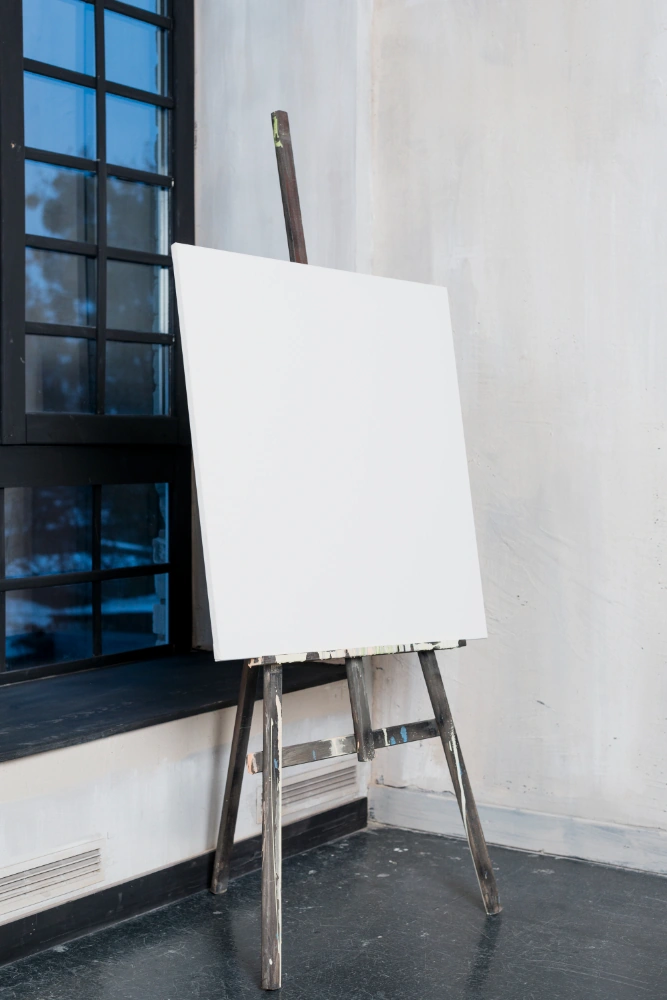
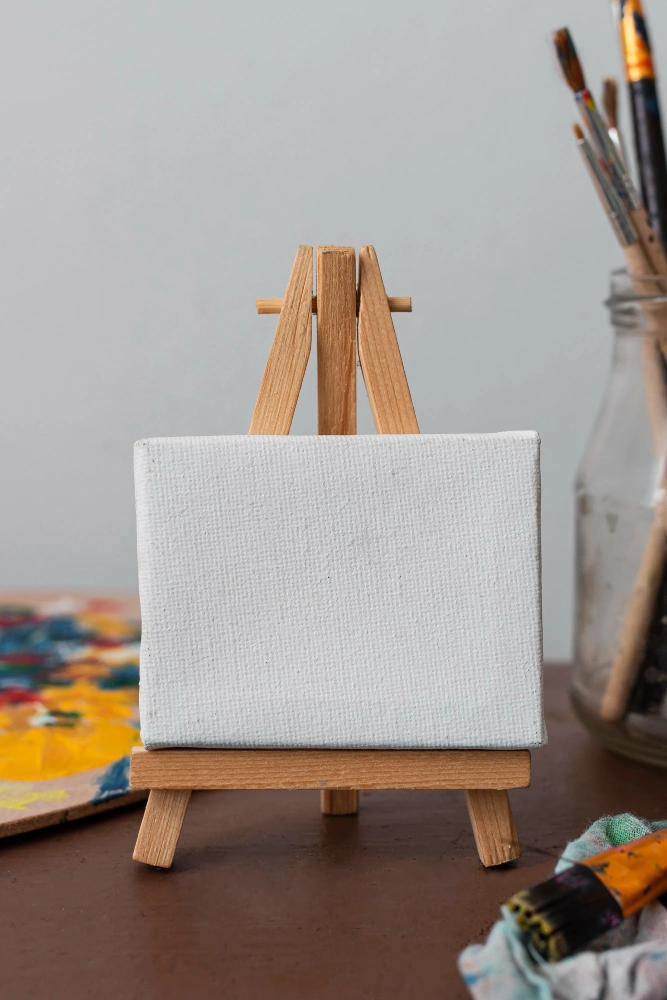
Working within the confines of a book drawing book requires a disciplined approach to light and shadow to ensure the subject remains readable. To maintain a steady hand for such intricate work, stabilizing your workspace is vital; using a dedicated support like the Desktop easel HPX-Z4B can position your book at the perfect angle (60.5cm height), reducing neck strain and perspective distortion. Alternatively, for smaller setups, the Desktop easel HPX-Z11 offers a lightweight solution (1.5KG) to keep your work secure, allowing you to focus entirely on controlling light gradients.
Protecting the Delicate Details in Your Book Drawing Book
Preventing Smudges and Graphite Transfer
Pages rubbing in a shut book drawing book can ruin weeks of close effort. Put glassine or smooth tracing paper between pages. It blocks the graphite shift from one side to the last page’s back. This easy step keeps lines crisp. It also maintains clean white areas around for a pro look.
Fixatives and Storage Tips for Long-Term Preservation
Use a workable fixative last to set graphite on book drawing book pages. It locks without changing tones. A light, even spray stops chance rubs in later looks. But test it on scrap paper first. Make sure it does not shade light parts darker. Store in a cool, dry spot, too. This keeps paper from wearing out. Your collection stays fresh.
Xin Bowen: Your Trusted Partner for Professional Art Supplies
Expertise in Customized Sketchbooks and Art Sets
Xin Bowen draws on over 15 years of experience in making and customization. We supply solid art items for pro artists’ strict needs. Our core work includes many brand goods. These cover sketchbooks, sketch sets, and shaping tools. They aid creation from beginning to end. We know markets differ. That’s why we link closely with world suppliers. Our base materials hit top levels. If you want to set paper weight or special cover for a customized batch, we let buyers check items anytime during production. This matches the end product to their ideas exactly.
Committed to Quality Assurance and Global Standards
Quality forms our making base. Our check team watches every step in buying and building. Items like our key Desktop easel HPX-Z3 undergo full checks before sending. They meet world rules and safety needs. We boast that our main goods hold global approvals like CPC, EN71, and MSDS. This fits sales on big online sites in Europe, North America, and more. For buyers wanting good shipping, we help pick the right carrier. We give flexible work ways for smooth buying.
FAQ
Q: What are the key features to look for in a professional drawing book?
A: For pro use, focus on paper weight (GSM) and feel (tooth). Higher GSM at 150+ stops ink spread and warping. The right tooth holds graphite layers without detail loss. Binding strength counts too. It lets the book lie flat in use.
Q: How can I prevent my pencil drawings from smudging in a closed book?
A: To stop smudges, add a guard sheet like glassine or smooth parchment between pages. A workable fixative spray sets graphite, too. Plus, limit book handling and keep it flat to cut page rubs.
Q: What is the difference between H and B grade pencils for detailing?
A: H (Hard) grade pencils have more clay in the lead, producing lighter, finer lines that hold a sharp point well, making them ideal for initial sketches and very fine details. B (Black) grade pencils have more graphite, producing darker, softer lines that are better for shading and creating depth, but dull faster.
Q: Why is a desktop easel recommended for working in a drawing book?
A: A desktop easel provides a stable, angled surface that improves posture and visual perspective. It prevents the distortion that occurs when drawing on a flat surface and allows for better hand control. Models that are adjustable help artists find the most comfortable working angle for long, detailed sessions.
Q: Can sketchbooks be customized for specific artistic needs?
A: Yes, many suppliers offer customized services for sketchbooks, allowing for adjustments in paper type, cover material, and binding style. This is particularly useful for educational institutions or brands that require specific paper qualities (like specific tooth or weight) to match their curriculum or product line requirements.