

A paint brush set represents much more than a simple collection of tools placed inside one package. Each individual brush shape actively controls a distinct kind of mark. Some brushes effectively spread rich color across a very wide surface. Meanwhile, others produce narrow lines, incredibly soft edges, or tiny highlights. When a set is thoughtfully planned, working artists can easily move from their initial sketch to the absolute final detail. They can do this without ever disrupting their natural working rhythm.
This concept truly matters to eager beginners, dedicated teachers, professional painters, busy studios, and careful art-supply buyers. A highly useful set should perfectly match the chosen medium. It must also suit the specific surface and the actual type of work people create daily. In this detailed guide, we carefully examine common paint brush types. We also explore their specific daily uses and the vital details buyers should thoroughly consider before adding any brush set to a commercial product line.
Xin Bowen expertly develops premium art materials for painting, detailed drawing, daily craft, busy classroom, and large wholesale applications. Our paintbrush collection proudly includes watercolor brushes, delicate fine brushes, precise detail brushes, sharp liner brushes, sturdy gesso brushes, and highly versatile mixed brush sets.
The Main Paint Brush Types in a Practical Set
A genuinely good set typically combines several unique shapes instead of merely repeating one single brush in various sizes. This smart variety gives the artist much greater control over the entire creative process. A wonderfully broad brush can easily handle the large background. Next, a medium brush can steadily build the main focal subject. Finally, a very fine brush can perfectly complete the absolute smallest areas.
The absolute best combination heavily depends on the specific user. A dedicated watercolor student might urgently need extremely soft, water-holding brushes. Conversely, an active acrylic painter might strongly prefer much stronger synthetic fibers. Furthermore, a creative fabric artist requires highly stable bristles. These bristles must effectively move vibrant color into a deeply textured surface without ever creating rough, broken marks.
Round Brush for Lines and Controlled Shapes
The classic round brush remains one of the most incredibly flexible tools found in any paint brush set. Its sharply pointed tip excellently supports very narrow lines. At the same time, the noticeably fuller body can easily carry much more paint. This makes it perfect for small, distinct shapes and relatively short fluid washes.
A round brush is extremely useful for:
- Delicate leaves and thin flower stems
- Detailed facial features
- Very small lettering
- Extremely fine outlines
- Intricate watercolor details
- Highly controlled acrylic marks
The physical pressure of the artist’s hand directly changes the resulting stroke. Very light pressure effectively keeps the sharp point quite narrow. Conversely, applying more pressure widely spreads the flexible bristles. This action instantly creates a much wider line. Consequently, this unique feature makes the round brush incredibly valuable for both new beginners and highly experienced artists alike.
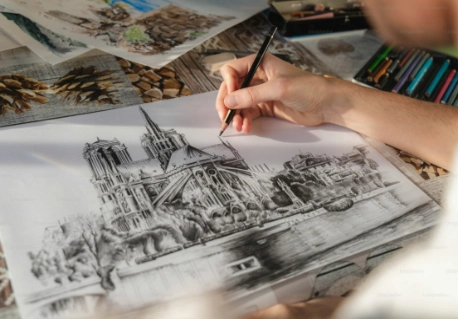
A fairly small round brush works exceptionally well alongside standard pencil sketch drawing tools. This is primarily because it can easily follow a meticulously prepared outline. The artist can initially draw the main subject using graphite. Afterward, they can carefully add vibrant color without ever losing the crucial original structure.
Flat Brush for Backgrounds and Bold Coverage
The versatile flat brush features a perfectly straight edge and a noticeably broad working surface. It is specifically designed for vast coverage, very strong bold strokes, and extremely clear boundaries. It can effortlessly paint a wide sky, a solid wall, a noticeably large leaf, or a very simple geometric shape requiring far fewer passes.
A flat brush proves especially useful for thick acrylic painting. It can easily move much thicker paint across textured paper, stretched canvas, solid wood, and stiff board. It also works beautifully whenever the artist specifically wants to create a distinct square-ended stroke. Furthermore, it is perfect for establishing a very clean, sharp division between two different colors.
Consider a dedicated school buyer actively searching for acrylic paint for school project purposes. A standard basic kit should usually include at least one reliable medium flat brush. It is exceptionally easy for young students to handle properly. Moreover, it can be used effectively for both wide background color and very simple decorative shapes.
Liner Brush for Fine Lines and Decorative Work
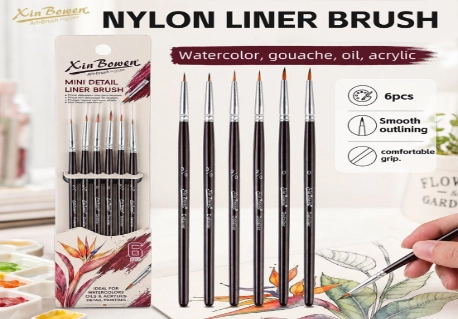
The specialized liner brush features an exceptionally long, very narrow tip. It deliberately holds a rather thin amount of fluid paint. It then releases this paint in one perfectly continuous, smooth line. This specific design makes it highly suitable for painting thin branches, detailed hair, elegant lettering, crisp borders, beautiful calligraphy, and very small intricate patterns.
A liner brush absolutely needs a very steady, calm hand. It should never be heavily overloaded with thick paint. This is especially true when carefully working on very smooth, slick surfaces. Artists can easily thin the thick paint slightly. They should always test the delicate line on cheap scrap paper first. After that, they can confidently continue working on the actual final art piece.
A liner brush is also incredibly useful for detailed fabric decoration. It can perfectly outline small flowers, neatly add personal names to a canvas tote bag, or carefully draw very small, neat patterns directly on clothing. For retail customers actively searching for paint brushes for fabric paint, the absolute most useful set often combines a sharp liner brush, a very small round brush, and a sturdy medium flat brush.
Detail Brush for Small Subjects
A dedicated detail brush is specifically made for absolute precision. It is very often much smaller than a typical standard round brush. Additionally, it may feature an incredibly sharp, highly stable point. This specific type is extremely common in delicate miniature painting, intricate scale model work, precise nail art, very small detailed illustrations, and adding those final tiny highlights.
The physical brush should always feel perfectly balanced in the user’s hand. If the wooden handle is far too thin, very long painting sessions may quickly become quite uncomfortable. If the delicate point separates too easily, the frustrated artist completely loses control. For this exact reason, the overall bristle quality and the sturdy ferrule construction matter just as much as the actual brush size.
Materials That Affect Brush Performance
The physical brush shape clearly tells you what a specific tool can actually do. Meanwhile, the actual bristle material accurately tells you exactly how it will behave during use. Very soft fibers naturally hold liquid quite differently from very firm, stiff fibers. Furthermore, natural animal hair and modern synthetic hair also create vastly different levels of natural spring, liquid absorption, and smooth paint release. A genuinely strong paint brush set should clearly make these important differences obvious to the careful buyer.
Synthetic Bristles for Versatile Painting
Modern synthetic nylon is very widely used today. This is primarily because it is highly flexible, incredibly easy to clean thoroughly, and perfectly suitable for several different water-based media. It can easily work well with thick acrylic, fluid watercolor, opaque gouache, liquid ink, and basic craft paint.
Reliable synthetic bristles are very often a highly practical choice for:
- Busy art classes
- Basic beginner kits
- Daily acrylic painting
- Creative fabric painting
- Complex mixed media work
- Large wholesale brush sets
They also consistently provide highly stable, reliable quality across very large factory production runs. For busy retailers and large distributors, this dependable consistency can easily make regular restocking much simpler and faster.
Soft Fibers for Watercolor and Gouache
Traditional watercolor strictly requires a specialized brush that can easily hold and then release water very smoothly. Extremely soft synthetic fibers or very carefully selected natural hair blends can effortlessly create very gentle, smooth washes. They also allow for highly controlled, seamless color transitions.
Standard watercolor sets may frequently include:
- Very fine round brushes
- Versatile medium round brushes
- Broad flat wash brushes
- Specialized fan brushes
- Extremely soft detail brushes
Xin Bowen proudly offers premium watercolor brush sets. These sets utilize very fine synthetic squirrel hair and durable nylon. They feature sturdy birch wood handles and strong copper or lightweight aluminum ferrules. These high-quality materials perfectly support highly flexible daily use. Artists can use them across watercolor, opaque gouache, thick acrylic, fluid ink illustration, and various mixed media projects.
Firm Brushes for Gesso and Thick Acrylic
Heavy gesso and very thick acrylic paint absolutely need sturdy brushes with much more physical strength. A very firm, stiff flat brush can easily spread the heavy material quite evenly. It can also effortlessly reach into tight corners. Furthermore, a noticeably larger brush greatly helps cover a large canvas very quickly. This is usually done long before any smaller, delicate tools are ever used.
This exact situation is where the direct relationship between the actual brush size and the blank canvas becomes incredibly important. A curious searcher may frequently ask, “how big is a canvas?” The factual answer can widely range from a very small 10 × 10cm surface up to a remarkably large 60 × 90cm wooden frame. Naturally, the larger the actual canvas is, the more incredibly useful a very broad, large brush becomes for applying that crucial first layer.
Match Brush Sets with Different Art Projects
A standard brush set instantly becomes much more valuable whenever it perfectly fits one clear, specific activity. Eager buyers very often search online by their specific project rather than by the exact technical brush name. They may actively look for durable classroom tools, specialized textile painting supplies, essential canvas accessories, or one totally complete sketching art set.
Fabric Painting and Textile Decoration
Specialized fabric paint strictly needs very even, smooth application and extremely good physical control. A nice soft flat brush can easily cover a much larger fabric area. Meanwhile, a very small round brush perfectly handles intricate shapes. Finally, a sharp liner brush neatly adds those crisp, fine outlines.
Always remember, before painting any fabric, you must thoroughly wash and completely dry the raw material. Always place a thick protective sheet directly behind the working surface. You should also carefully test the chosen paint on a small spare section first. Ultimately, the beautiful final result heavily depends on the specific fabric texture, the actual paint thickness, the applied brush pressure, and the total drying time allowed.
For retailers, a fabric kit may include:
- Two flat brushes
- Two round brushes
- One liner brush
- A small palette
- Fabric paint
- Simple care instructions
Xin Bowen’s fabric paint category includes fabric paint sets in several color quantities, making it possible to create kits for children, schools, DIY users, and textile craft sellers.
Canvas Painting and Size Planning
Canvas size affects the painting experience. A small canvas is easier for beginners and workshops. A medium canvas gives enough room for portraits, still life, and home decoration. A large canvas requires broader tools and more paint.
People often search for “which canvas size is best for painting.” For most classes, 20 × 20cm and 30 × 40cm are manageable. For finished decorative work, 40 × 50cm or 60 × 90cm may create a stronger visual presence.
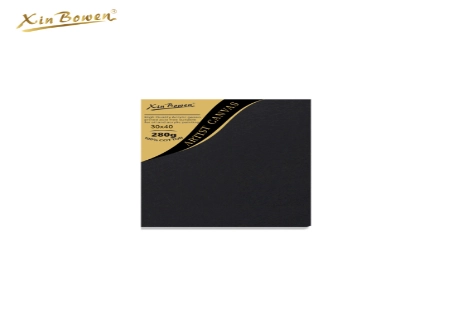
You can view Xin Bowen’s blank canvas and stretched canvas range when planning brush sizes, paint quantities, and complete art kits.
Sketching Before Painting
Many paintings begin with a light drawing. A 2026 pencil may appear in search data as a product phrase, but the important point is still the same: artists need a pencil that creates clear lines without damaging the surface.
A practical sketching art set may contain:
- Graphite pencils
- Charcoal pencils
- A kneaded eraser
- A sharpener
- Sketch paper
- Blending tools
- A small easel
The artist can build the composition first, then use a round brush or detail brush for color. Xin Bowen’s sketch tools set category includes graphite, charcoal, pencil, eraser, and drawing tool combinations for students and artists.
Add a Paint Knife for Texture and Mixed Media
A paint knife, often called a painting knife, creates marks that brushes cannot easily produce. It can spread thick paint, scrape a surface, mix color, or leave a raised edge. When combined with paint brush sets, it makes mixed media work more varied.
Try this simple process:
- Apply a thin base coat with a flat brush.
- Add thicker color with a paint knife.
- Use a round brush to soften selected edges.
- Finish with a liner brush for small marks.
This combination suits abstract painting, textured landscapes, decorative panels, and classroom experiments. Xin Bowen provides a painting knife collection with different shapes and sizes for texture work and color mixing.
Procurement Tips for Artists and Art-Supply Buyers
For buyers, a paint brush set should be judged by more than the number of pieces. A large set may look attractive, but a smaller set with useful shapes can create better customer satisfaction.
Consider these procurement points:
- Bristle type: Match softness and strength with the intended medium.
- Size range: Include small, medium, and large brushes.
- Handle design: Choose comfortable handles for repeated use.
- Ferrule quality: Check whether the ferrule is firmly fixed.
- Packaging: Retail packs, classroom packs, and bulk cartons need different formats.
- Cleaning needs: Water-based paint requires simple care instructions.
- Market use: Separate beginner, professional, fabric, watercolor, and school kits.
- Replacement demand: Common brush shapes should be available as single pieces.
At Xin Bowen, we support product selection, customized sets, sample development, packaging, production, quality inspection, and shipping. Our one-stop service helps wholesalers, retailers, schools, and art-material brands plan complete equipment for art instead of purchasing unrelated items one by one.
Paint Brush Care for Longer Use
Paint brush care has a direct effect on the life of a set. Acrylic paint should not be allowed to dry inside the bristles. Watercolor brushes should be rinsed gently and reshaped after cleaning. Oil-based materials need a suitable cleaner and careful storage.
Simple habits include:
- Remove extra paint before washing.
- Avoid leaving brushes in water for long periods.
- Reshape the tip after cleaning.
- Store brushes horizontally or upright with the bristles facing up.
- Keep clean and used brushes separate.
- Replace brushes when the tip no longer holds its shape.
Good care protects the round brush point, the flat brush edge, and the fine tip of a liner brush.
Conclusion
A useful paint brush set gives artists more control from the first layer to the final detail. Round brushes support lines, curves, and small shapes. Flat brushes cover backgrounds and create strong edges. Liner brushes handle lettering, outlines, and decorative marks, while detail brushes complete miniature work and fine highlights. Material choice also matters. Synthetic nylon offers flexibility and easy cleaning, while softer fibers support watercolor and gouache. The right set should match the medium, surface, project, and user. Whether the buyer needs fabric painting tools, a sketching art set, classroom supplies, or complete equipment for art, a carefully planned brush collection creates better value and a smoother creative experience.
FAQs
Q: How many brushes should a beginner paint brush set include?
A: Five to eight brushes can cover detail, washes, backgrounds, and texture work.
Q: Can one set work with 120ml acrylic paint?
A: Yes. Clean the brushes promptly and use firm synthetic bristles.
Q: Which canvas size is best for painting classes?
A: 20 × 20cm or 30 × 40cm is practical for most students.