

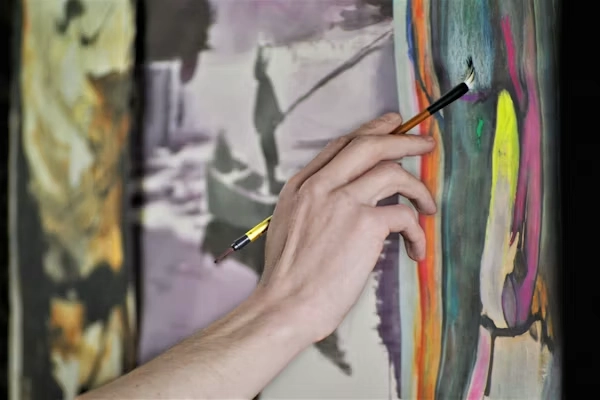
Brush painting techniques shape the mood, texture, and depth of an artwork. A soft wash can create calm space. A dry stroke can show rough stone, grass, or fabric. A fine liner mark can add details to petals, eyes, lettering, or small decorative patterns. For artists, students, teachers, and art supply buyers, understanding how different paint brushes produce different brushstroke effects makes tool selection much easier.
The right brush changes the result. Round brushes, flat brushes, fan brushes, liner brushes, mop brushes, and detail brushes all leave different marks. Some hold more water. Some give clean edges. Some work better for wide color blocks. Others are made for fine lines. At Xin Bowen, we develop and supply art materials for painting, drawing, sketching, and classroom use.
Why Brush Painting Techniques Matter
A brush may look simple. Its shape, bristle material, handle balance, and ferrule strength all affect painting results. For artists, this means better control. For teachers, it means easier instruction. For wholesalers and retailers, it means choosing paint brushes that match real user needs.
Brush painting techniques also explain why one brush set cannot do everything. A watercolor learner may need soft watercolor brushes with strong water holding ability. A model painter may need small detail brushes with a fine point. An acrylic painting user may prefer firmer nylon bristles that can carry thicker paint.
Brush Shape Decides the Stroke
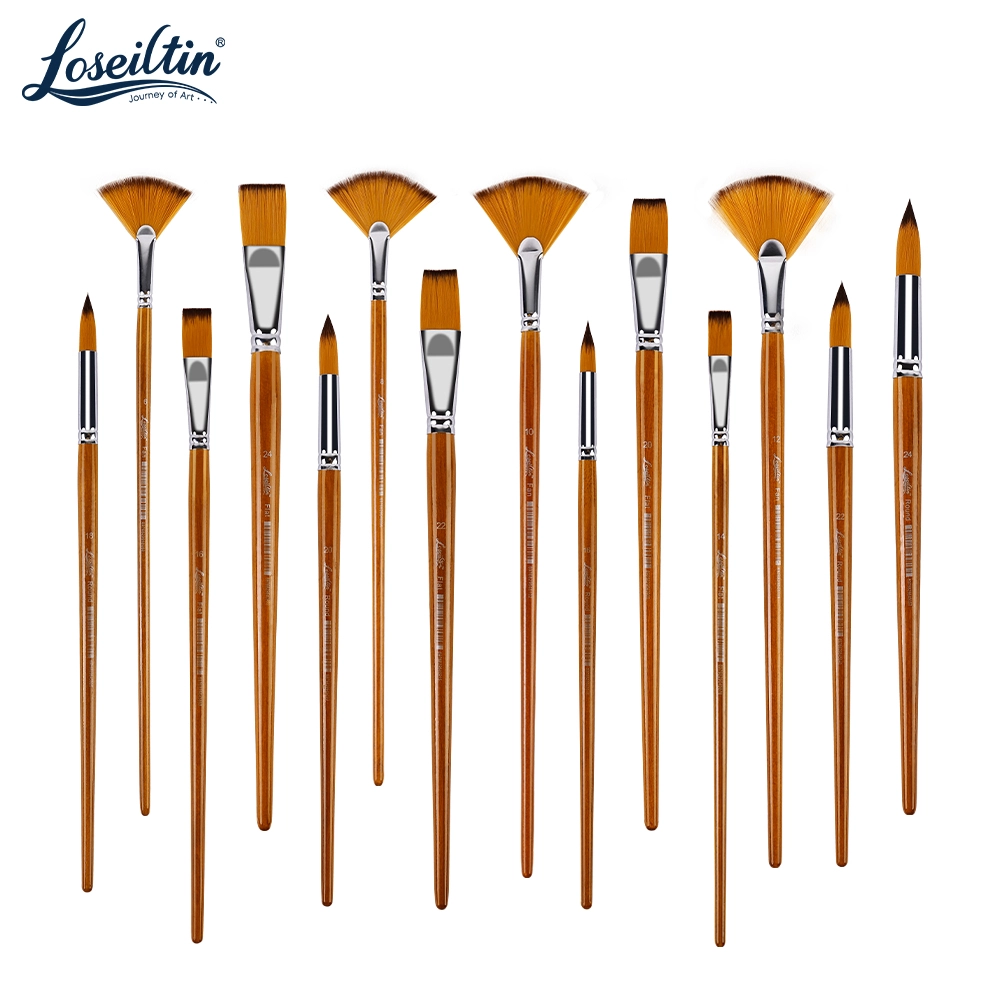
Brush shape is the first thing to check. A round brush can draw lines, curves, dots, and controlled marks. A flat brush is useful for edges, blocks, and wide strokes. A fan brush spreads paint into broken textures. A liner brush creates long, thin marks. A mop brush holds more water and pigment for soft washes.
Bristle Material Changes Texture
Synthetic nylon hair often gives firm rebound and clean control. Synthetic squirrel hair is softer and can hold water well. It is often used for watercolor brushes. Mixed hair brushes may balance softness, elasticity, and water holding. Soft hair creates smooth blending. Firmer hair supports clear texture and stronger marks.
Core Brush Painting Techniques for Brushstroke Effects
Flat Wash for Clean Color Areas
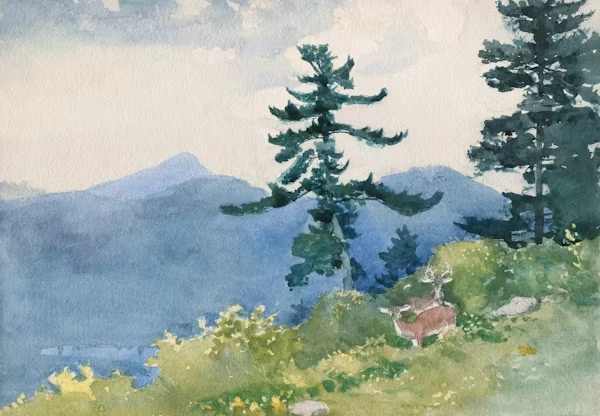
A flat wash creates an even color area. It is often used for backgrounds, skies, walls, product illustration, and classroom exercises. Flat brushes and larger watercolor brushes are useful here. They carry enough paint to reduce streaks.
Brush Types and Their Best Uses
Different brush painting techniques become easier when the brush type fits the task. This is why art supply buyers often select brush sets by use case. These include watercolor, acrylic painting, model painting, face painting, school art, or studio work.
Round Brushes for Daily Painting
Round brushes are among the most useful paint brushes. They can make thin lines with the tip. They can also create wider strokes with more pressure. They are used in watercolor, gouache, acrylic painting, illustration, and general art practice.
They are good for leaves, petals, curves, line work, small washes, and classroom painting. A good round brush should keep a sharp point after use. It should also return to shape after pressure.
Flat Brushes for Bold Edges
Flat brushes have a straight edge. They can create broad blocks, clean borders, square strokes, and sharp turns. In acrylic painting, flat brushes are often used for covering larger areas. They also help build strong shapes. In watercolor, they help create smooth washes and architectural lines.
Fan Brushes for Natural Texture
Fan brushes create many small marks at once. They are useful for grass, hair, fur, clouds, leaves, soft blending, and broken textures. The key is to vary pressure and direction. Otherwise the marks may look too repeated.
Liner and Detail Brushes for Fine Work
Liner brushes and detail brushes are made for thin lines, outlining, calligraphy-style strokes, model painting, nail art, and small decorative patterns. They need a sharp point, good elasticity, stable paint release, and strong shape recovery.
Xin Bowen offers different liner and detail brush options for ultra-fine lines, longer strokes, miniature work, and decorative painting needs.
How Hand Control Changes Brushstroke Effects
Even with the same brush, the result changes when the hand changes. Pressure makes strokes wider or thinner. Angle changes the contact area. Speed changes edge quality and energy.
Light pressure gives thin lines. Strong pressure spreads the bristles. This creates wider strokes. A brush held upright gives a narrow touch. A lower angle creates broader contact. Slow strokes feel smooth and controlled. Fast strokes feel loose and expressive.
These changes are simple. Yet they form the heart of brush painting techniques.
Choosing Painting Tools for Different Users
Brush painting techniques also help B2B buyers choose better products. A school needs durable and affordable painting tools. A professional artist wants control and lasting shape. A retailer may need attractive packaging and clear product grouping. A distributor may care about carton packing, MOQ, and stable supply.
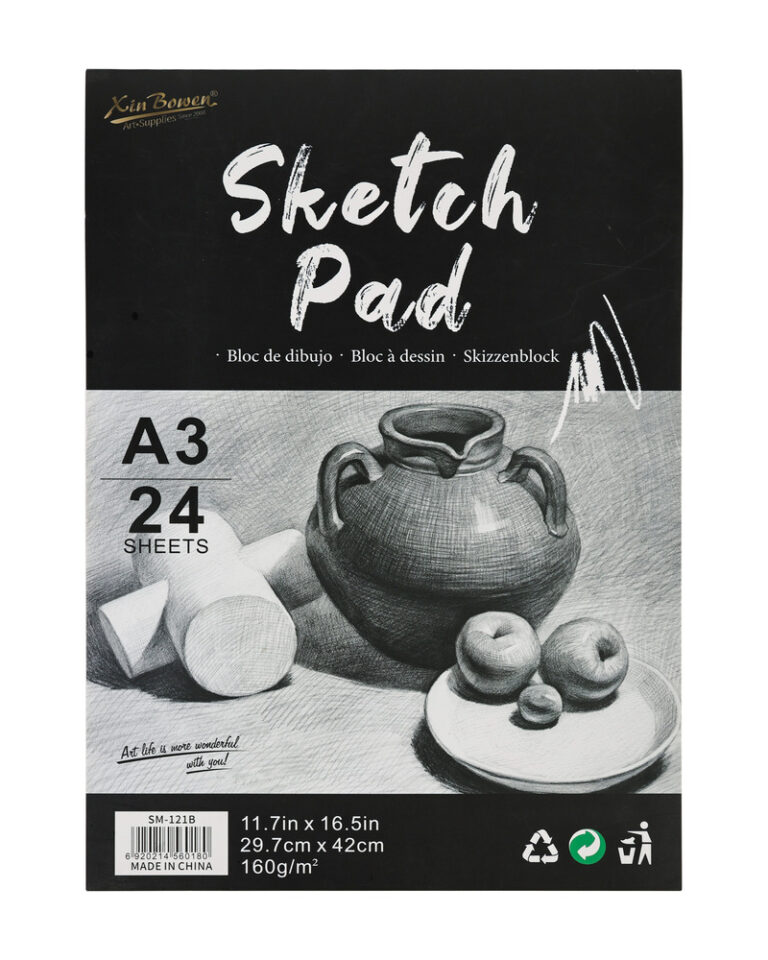
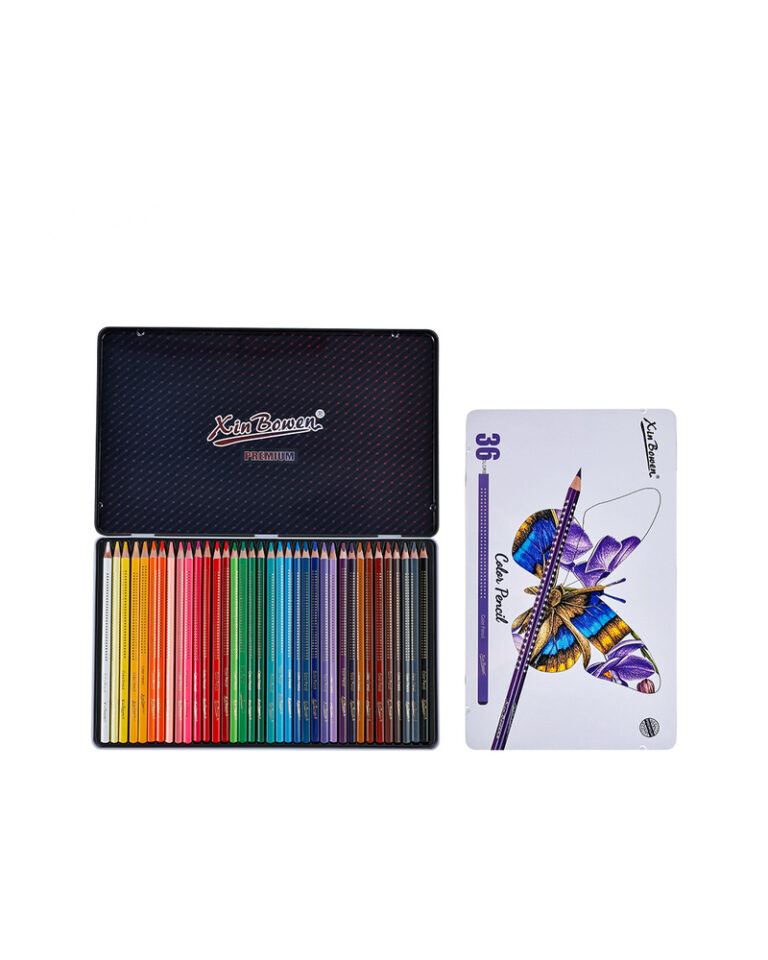
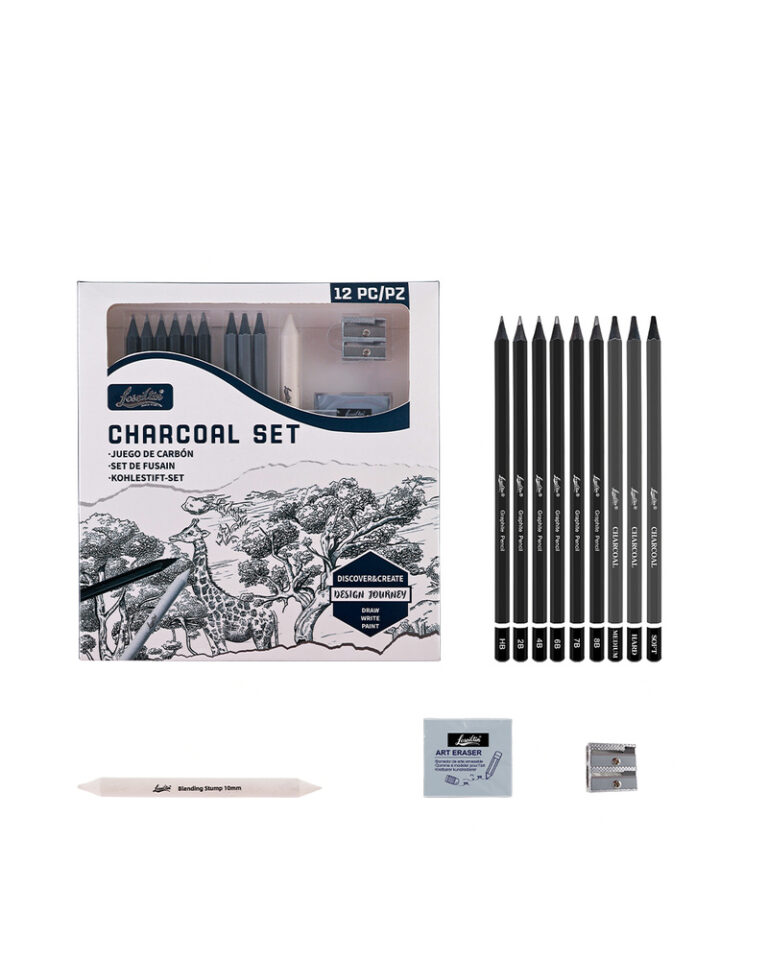
Xin Bowen serves wholesalers, retailers, schools, studios, and art material buyers with different brush and art supply categories. Our product range covers paint brushes, watercolor brushes, sketching tools, drawing paper, easels, canvas, painting tools, and paint sets.
For beginners, a mixed brush set with round, flat, and detail brushes is often enough. For professional users, more specific brush types are needed for different techniques. For retail and wholesale buyers, clear product use cases make brush sets easier to explain and sell.
Conclusion
Various brush painting techniques can be created by changing the methods of marking. These include pressure, angle, speed, amount of water, thickness of paint, and shape and size of the brushes. For buyers of brush painting techniques, this variety of painting techniques can make selecting painting products much easier. There are various types of paint brushes. These include round brushes, flat brushes, fan brushes, liner brushes, and detail brushes. Each has its own special uses. Xin Bowen offers practical paint brushes, watercolor brushes, acrylic painting tools, drawing sets, painting paper, canvas and other painting tools and materials for schools, painting studios, paint stores, art suppliers, retailers and wholesalers.
FAQs
Q: What brush painting techniques are best for beginners?
A: Flat wash, dry brush, and simple line work are good starting techniques.
Q: Which paint brushes create fine brushstroke effects?
A: Liner brushes and detail brushes are best for thin lines and small details.
Q: Are watercolor brushes useful for acrylic painting?
A: Some are usable, but firmer brushes usually work better for acrylic painting.