
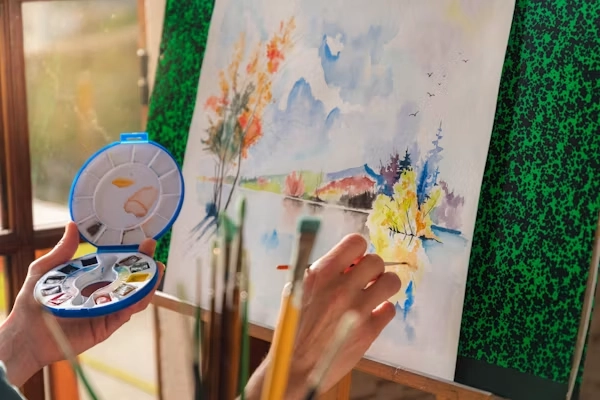
Choosing the right painting paper involves more than size or color. The paper influences how paint spreads across the surface. It determines whether lines remain sharp. It also affects how well the finished artwork holds its original appearance over time. When artists compare mixed media paper and watercolor paper, the central question centers on which option best fits their specific tools and regular painting habits.
At Xin Bowen, we provide painting paper and medium products, art supplies, brushes, paints, sketch books, watercolor pads, and related creative tools for different users and markets.
What Is Mixed Media Paper?
Mixed media paper is produced for artists who apply several materials on the same sheet. It supports pencil, ink, marker, light watercolor, gouache, acrylic, and collage techniques.
This paper has gained popularity because many artists now combine multiple tools within a single piece. One page might contain a pencil sketch, an ink line, a watercolor wash, and an acrylic highlight.
Main Features of Mixed Media Paper
Mixed media paper is generally smoother than rough watercolor paper. At the same time, it is stronger than standard sketchbook paper. These qualities create a useful balance between drawing and painting activities.
Limits of Mixed Media Paper
Mixed media paper is not intended for heavy water applications. Large washes, repeated lifting, or very wet watercolor layers can lead to buckling or surface damage.
It serves artists who seek flexibility across various tools. It is less suitable for those who require complete watercolor control.
What Is Watercolor Paper?
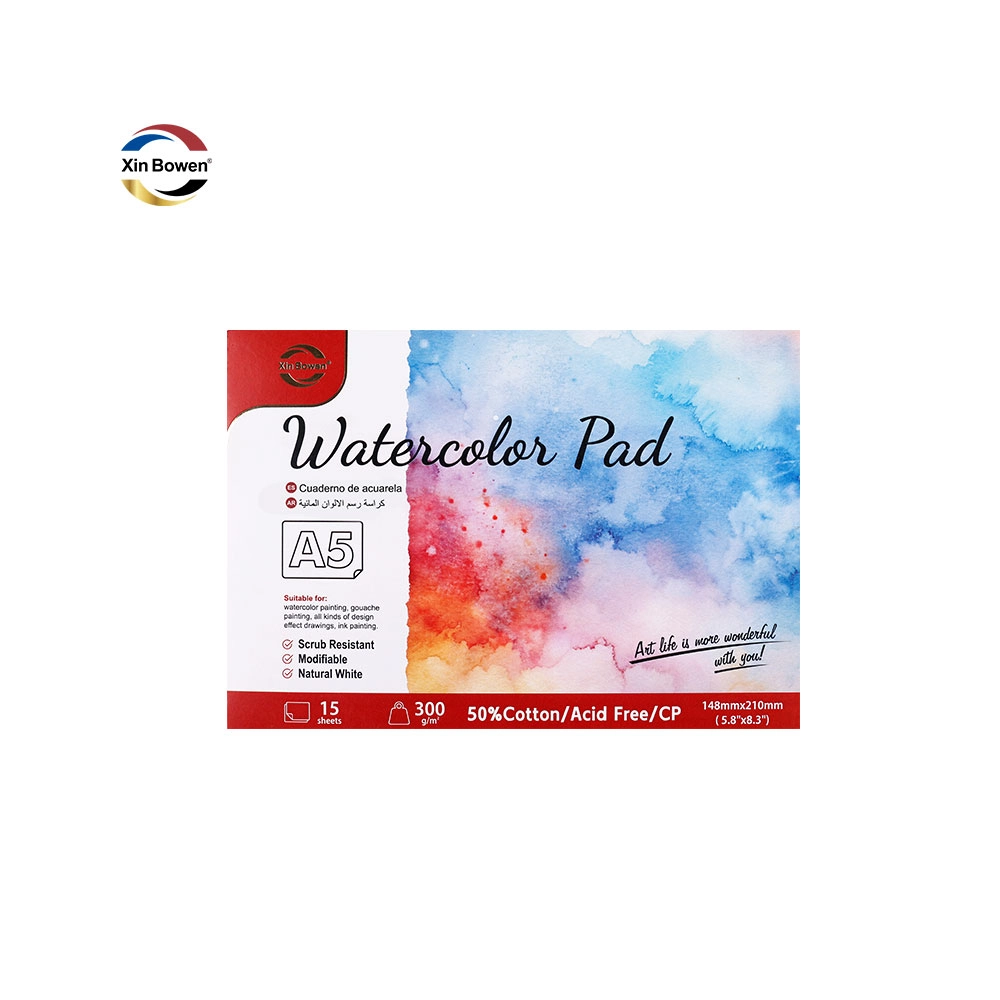
Watercolor paper is created mainly for water-based painting. It is engineered to accept water, pigment, and brush movement without rapid deterioration.
High-quality watercolor paper enables artists to produce smooth washes, soft edges, and layered colors. These characteristics make it the preferred option for dedicated watercolor projects.
Main Features of Watercolor Paper
Watercolor paper is typically thicker and more absorbent than ordinary painting paper. It is available in hot press, cold press, or rough textures.
Typical features include:
- Strong water control
- Better resistance to buckling
- Good for layered washes
- Suitable for wet-on-wet techniques
- Better pigment flow and color brightness
A watercolor pad is useful for artists, students, art classes, and travel painting.
Limits of Watercolor Paper
Watercolor paper is not always ideal for mixed techniques. Rough surfaces may interfere with fine ink lines. In addition, it often costs more than mixed media paper.
For light sketching, art journal, or craft projects, mixed media paper frequently offers greater practicality.
Mixed Media Paper vs Watercolor Paper: Key Differences
Both papers support creative work. However, they respond differently during actual use. Artists should select the appropriate type according to water volume, surface feel, tool selection, and intended purpose.
Water Handling
Watercolor paper performs better with heavy washes, soft blending, and repeated brush applications. Mixed media paper handles light watercolor and quick color layers effectively. Yet it may buckle when exposed to excessive water.
Surface Texture
Mixed media paper commonly features a moderate surface. This texture works well with pencil, ink, and pen applications. Watercolor paper often presents a more pronounced texture. The texture assists pigment settling and produces natural brush marks.
Strength and Durability
Watercolor paper delivers greater strength during wet painting sessions. Mixed media paper provides sufficient strength for multiple materials. Its overall performance still depends on gsm, fiber quality, and surface treatment.
Cost and Daily Use
Mixed media paper usually suits daily practice and classroom applications. Watercolor paper is more appropriate for final artwork and professional watercolor painting.
Which Paper Is Better for Different Artists?
Different users require different paper selections. A beginner, a school, a hobby painter, and a professional watercolor artist will not select the same product.
For Beginners
Beginners frequently experiment with pencil, ink, watercolor, acrylic, and markers. Mixed media paper serves as a solid starting choice. It permits extensive practice with various tools.
Recommended choice:
- mixed media paper for general practice
- sketchbook paper for drawing
- watercolor paper for watercolor training
For Watercolor Artists
Watercolor artists require paper that manages washes, transparency, lifting, and soft blending. For these users, watercolor paper represents the more reliable selection.
Recommended choice:
- watercolor paper for final work
- watercolor pad for classes and travel
- mixed media paper for quick studies
For Mixed Media Creators
Mixed media creators combine ink, pencil, watercolor, acrylic, collage, and additional materials. Mixed media paper generally serves as the preferred daily option.
Recommended choice:
- mixed media paper for journals and creative pages
- acrylic paper for acrylic-heavy projects
- stronger art paper for collage
For Schools and Art Training Centers
Schools require affordable and reliable paper. Mixed media paper performs effectively in general art lessons. Watercolor paper is more suitable for specialized watercolor classes.
How Paper Weight Affects Performance
Paper weight is normally indicated in gsm. Higher gsm usually signals thicker paper. Nevertheless, fiber quality and surface treatment also play important roles.
Light Paper
Light paper suits pencil sketching, dry media, and basic practice. It is convenient to transport. However, it is not appropriate for heavy water applications.
Medium-Weight Paper
Medium-weight paper appears frequently in mixed media paper products. It accommodates pencil, ink, light watercolor, and limited acrylic use.
Heavy Paper
Heavy paper is preferable for watercolor, wet-on-wet work, and completed artwork. It minimizes buckling and supports additional paint layers.
How to Choose Between Mixed Media Paper and Watercolor Paper
The optimal selection depends on the artist’s primary medium. When water is applied often and in large amounts, watercolor paper is the better choice. When the artist works with many different tools, mixed media paper offers greater versatility.
Choose Mixed Media Paper If
- The work includes pencil, ink, marker, and light paint
- The artist wants one paper for many uses
- The project is for practice, journal, or classroom work
- The budget needs to stay flexible
- The style does not use heavy water
Choose Watercolor Paper If
- The artist uses heavy washes
- The work needs soft blending
- The artwork is a final piece
- Strong water resistance is needed
- The product is for watercolor classes or professional use
B2B Buying Tips for Painting Paper Products
For wholesalers, schools, distributors, and private-label buyers, paper selection also connects to product positioning, packaging, and market segment.
Xin Bowen provides OEM and ODM support for painting paper, brush sets, paint sets, palettes, and other art supply products.
Match Paper Type with Product Position
Student paper, professional watercolor paper, and mixed media paper should receive distinct positioning. Clear product positioning helps lower complaints and supports repeat orders.
Consider Product Combination
Painting paper sells more effectively when combined with compatible tools. A watercolor pad pairs naturally with watercolor paints and brushes. Mixed media paper pairs well with acrylic paint, pencils, pens, and brush sets.
Xin Bowen also offers artist painting tools for buyers who are assembling complete art supply collections.
Check Packaging and Market Use
Packaging should clearly display gsm, sheet count, size, texture, and suitable media. For online sales, neat packaging also improves product photographs and builds customer confidence.
Common Mistakes When Buying Painting Paper
Many paper-related difficulties arise when the paper is applied to an unsuitable purpose.
Using Sketchbook Paper for Heavy Watercolor
Sketchbook paper is typically manufactured for drawing. Heavy watercolor applications can result in bending, bleeding, or surface damage.
Expecting One Paper to Do Everything
Mixed media paper offers flexibility. Even so, it cannot substitute for every specialized paper. Heavy watercolor work still requires watercolor paper.
Ignoring Surface Texture
Smooth paper performs better for line work. Textured paper excels with watercolor effects. Thickness alone does not determine overall suitability.
Choosing by Price Only
Selecting cheap paper may lower initial costs. However, poor performance can generate negative reviews and reduce repeat orders.
Conclusion
Mixed media paper and watercolor paper each hold importance, but they differ in key respects. Mixed media paper accommodates many tools and proves useful for practice, school use, and art journaling. Watercolor paper delivers superior water control, enhanced surface stability, and cleaner outcomes for serious watercolor painting. Artists should base their selection on their primary medium, water usage, and intended purpose. For buyers, maintaining both types can strengthen a product line for retail, education, and professional art markets.
FAQs
Q: Is mixed media paper good for watercolor painting?
A: Yes, mixed media paper works for light watercolor, but heavy washes need watercolor paper.
Q: Can watercolor paper be used for acrylic painting?
A: Yes, watercolor paper can handle acrylic, but acrylic paper may feel more suitable.
Q: Which painting paper is better for beginners?
A: Mixed media paper is better for beginners because it supports many common art tools.