

What Are Canvas Boards for Painting and Why Should You Select Them?
Whether you are stocking art supplies for an educational institution or outfitting your personal studio, selecting the ideal foundation for your artwork is crucial. Painting canvas boards combine rigidity, affordability, and practical durability, making them a staple in the artistic community.
The Fundamentals: Canvas Panels vs. Conventional Stretched Canvas
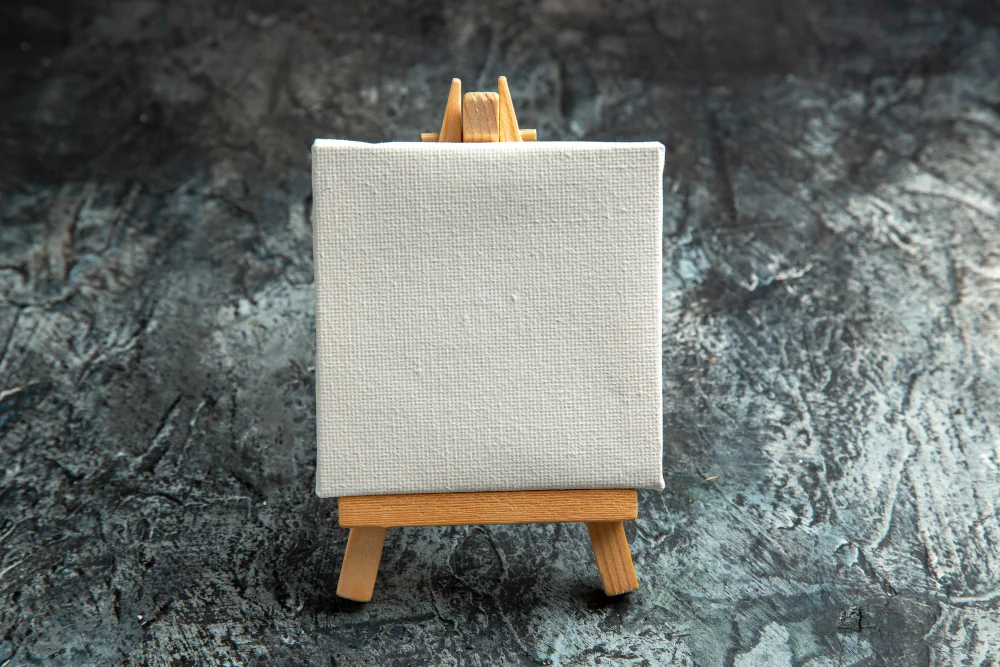
Conventional stretched canvases consist of fabric tightly wrapped around a wooden skeleton, which yields a flexible, springy painting area. Conversely, canvas painting boards are made by adhering pre-primed fabric straight onto a stiff backing, typically crafted from dense cardboard or medium-density fiberboard (MDF). This architectural variation removes the flexibility found in stretched materials, offering a solid, stable foundation favored by numerous creators for intricate detailing or vigorous brushwork.
Core Advantages for Art Students and Professional Artists
The top benefit of these boards is how simple they are to move and keep. Students and painters who work outside find it much easier to slide a slim board into a bag. That’s better than hauling big framed pieces. Also, no wood frame means they avoid rips or holes during travel. So, they make a smart, tough pick for big users like classes and art groups.
Which Canvas Material Best Suits Your Art Projects?
The cloth on top shapes how paint acts. Knowing these options helps shoppers pick what fits their work.
Cotton Canvas Boards: The Adaptable and Widely Used Option
Cotton serves as the usual pick for most boards. Factories use it often. It gives a steady, medium rough feel. That’s why new and mid-level artists go for it. The cloth bends well and costs little. It handles basic painting ways without issues.
Linen Canvas Boards: The Professional Benchmark for Masters
Linen reigns supreme in high-end galleries; crafted from flax fibers, it boasts exceptional strength. It retains its natural oils, preventing the surface from cracking as the years go by. Despite the higher price tag, the delicate, uniform texture of linen panels appeals to seasoned experts. These artists require precise control for complex layering techniques and delicate portraiture.
Synthetic and Blended Materials: Where Durability Intersects with Affordability
New making methods mix cotton with polyester. These blends fight water and heat changes better. For stores that sell lots, these boards hit the right spot. They build solid without linen’s high price.
How to Select the Appropriate Sizes for Canvas Painting Boards?
Picking the right size counts for store stock and planning jobs.
Standard Dimensions for Novices, Practice, and Rapid Studies
Small sizes such as 8×10 or 9×12 inches work well in schools. They suit tests with color mixes, quick outside drawings, and daily practice. The tiny size lets you try ideas freely. You don’t face the pressure of a huge area.
Large Formats for Professional Studio Creations and Gallery Exhibitions
As you transition to bigger sizes such as 18×24 inches and up, the stiffness of the backing material becomes absolutely vital. Premium large-scale panels require dedicated, anti-warp cores to guarantee the piece stays perfectly flush during framing and professional gallery exhibition.
Custom Proportions: Fulfilling Specific Wholesale and Project Needs
Standard sizes often don’t fit odd spots or class plans. So custom cuts become important. For big orders, team up with a maker who does special sizes. This meets job needs just right. It also keeps quality high.
Which Paint Media Perform Best on Canvas Boards?
How the top works with paint lifts the end result. Canvas boards fit many uses well. Just match them to the right tools.
Oil Painting Techniques: Texture and Preparation Requirements
Oil mediums require a foundation that will not degrade from heavy oil absorption. Panels intended for oil painting are therefore protected with multiple coats of acrylic gesso. To effectively manipulate the thick consistency of oils, hog bristle brushes are the optimal choice. The benefits of these tools include their affordability and remarkably stiff bristles. When working with oils, they maintain their structural shape effortlessly during application.
Acrylics and Watercolors: Moisture Absorption and Surface Integrity
For water-based mediums such as acrylics and watercolors, the surface needs excellent adhesion and moisture retention. To achieve smooth, fluid strokes on these panels, selecting the correct implements is vital. Natural animal hair brushes produce exceptional, top-tier results in watercolors, establishing them as essential tools for high-end painters. Alternatively, nylon brushes offer superior spring, moisture capacity, and easier maintenance than other material alternatives. These features make them perfect for both acrylic and watercolor applications, making nylon brushes the most sought-after and top-selling options.
Key Considerations When Procuring Canvas Boards in Bulk
For art buyers overseas, check how tough the item is and if the seller is solid. This protects your money.
Assessing Surface Texture, Primer Quality, and Archival Characteristics
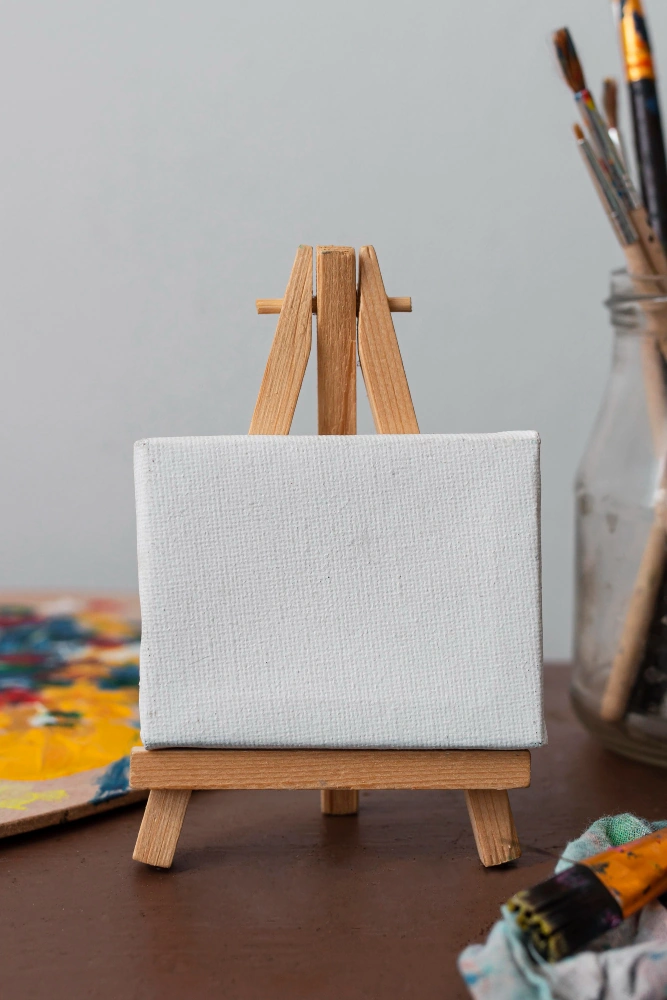
A good board needs smooth gesso without holes or peels. Lasting traits matter for pro tools. The cloth and glue should stay acid-free. This stops yellowing later on.
Evaluating the Core Board’s Resistance to Warping and Flexing
The inner part fails most often. Look for high-density fiberboard (HDF) or special safe cardboard. A strong back stops bending from wet paints or damp storage.
Sourcing Dependable Global Suppliers for Your Art Necessities
A steady supply line backs stores and schools. At Xin Bowen, we have more than 15 years of experience in making and custom work. We act as our own brand that joins making and selling. We know what it takes to give top work. Our check team watches sourcing and making closely. Before shipping, we test every step of building and packing. This makes sure items meet world standards and safety rules. If you add our handmade brushes to panels, safety comes from green, harmless corn glue. It cleans off with warm water easily.
Frequently Asked Questions Regarding Canvas Painting Boards
Q: Are canvas boards for painting acceptable for professional gallery displays?
A: Yes. Go for top boards with acid-free, lasting backs and good linen or cotton tops. These get high marks in pro circles. They last well and frame easily for shows.
Q: How do canvas painting boards compare to stretched canvases concerning long-term storage?
A: Boards beat stretched ones for keeping. Their thin shape skips big wood frames. You stack many dry works in a little room. No risk of cloth tears or holes.
Q: Is it necessary to add extra gesso to canvas painting boards before initiating my artwork?
A: Most store-bought boards come with acrylic gesso already. So they work right away. But if you want a smoother feel or better hold for thick oils, add more layers to fit your style.
Q: Can thick impasto techniques be executed directly on canvas painting boards?
A: Yes, they handle impasto fine. Stretched cloth might droop under heavy paint. But a board’s hard base holds thick oils or acrylics steady. It keeps its shape without trouble.
Q: What factors cause canvas painting boards to warp, and what are the solutions?
A: Too much water from thin paints or bad storage in wet spots can harm the back. To fix this, seal the back with gesso. Store boards flat in a dry, steady-temp area.