
The Critical Importance of Proper Inventory Management for Art Suppliers
Mitigating Financial Risks from Damaged Bulk Canvases
Managing bulk canvases requires specific protocols to prevent financial loss and ensure product integrity for end-users. For B2B retailers, educational institutions, and wholesalers, a warped chassis or moldy fabric signifies not just damaged inventory, but a direct hit to profitability. Defective stock leads to increased return rates and diminishes brand trust, making the physical condition of your warehouse assets a primary financial concern.
Ensuring Product Longevity in 2026 Supply Chains
Supply chains in 2026 keep changing. Smart stock handling aims to cut waste. It does this by keeping items in top condition from storage to the artist’s workspace. Today’s systems stress steady surroundings. They also value quick shipping. Using solid storage rules guards your spending. It also builds your name as a trusted source for fine art supplies.
Climate Control Strategies for Storing Bulk Canvases
Regulating Warehouse Humidity to Prevent Mold Growth
Too much dampness in the air harms bulk canvases the most. This is true for those from natural threads like cotton or linen. Wet air soaks into the cloth. As a result, it sets up spots for mold to start and harm the gesso layer. Warehouse bosses should keep the air dampness at 40% to 50%. They can use strong dryers if needed. This way, the cloth’s pull for water won’t ruin the top layer.
Maintaining Stable Temperatures to Avoid Frame Warping
Shifts in warmth hurt the build of stretched canvases. They mainly affect the wood bars that hold them. Wood grows in heat and shrinks in chill. Quick changes between hot and cold make frames bend or curve. This makes the canvas unfit for use. Keeping stock in a steady warmth space stops the pull on the cloth from loosening. It also keeps the wood straight.

Structural Organization: Vertical vs. Horizontal Storage
Why Vertical Racking Systems Are Superior for Bulk Inventory
Upright storage is the top choice in this field. It keeps large amounts of canvases in good condition for long periods. Placing them on edges, like books in a row, stops the cloth from drooping due to its load. Special racks with splits let air flow around each one. This is key to avoiding water buildup. It also makes grabbing pieces easy for orders.
The Dangers of Stacking Canvases Flat Over Long Periods
Piling canvases at the same level is not wise in a work warehouse. This holds true for long holds. When stacked, the total load can break the lower ones. It may also leave lasting dents from upper bars. If level piling can’t be helped due to room limits, pair them front-to-front and back-to-back. This cuts through between surfaces. Yet, upright racks remain the best pick for keeping bulk items safe.
Protective Packaging and Handling During Warehousing
Utilizing Acid-Free Interleaving Materials Between Canvases
To stop canvases from clinging, called “blocking,” you need the right barriers. Acid-free glassine paper or split sheets between them guard the coated side. They block chemical shifts and rubs. Adding this to the storage steps protects the gesso. Thus, the top stays clean for paints like oil or acrylic that artists will add later.
Implementing Dust Sheets and Light Protection Protocols
Long contact with dirt and UV light can harm the canvas stock a lot. Dirt sticks in the weave. Meanwhile, UV light yellows the coat or makes the cloth stiff. Using airy, dark covers on racks cuts these dangers well. They keep the clean white look that artists want in fresh supplies.
How Xin Bowen Ensures Quality from Factory to Warehouse
Rigorous Quality Inspections Before Global Shipment
At Xin Bowen, we build strong ties with world sellers. We do this by watching, buying, making, and tailoring closely. Our check team oversees buying and making things closely. Before sending out, we test every make and pack step hard. This makes sure items hit world rules and safety needs. Such strict early checks mean your stock arrives strong and without flaws. It sets up well for long storage wins.
Durable Packaging Standards for International Export
We know the trip from our plant to your storage involves tough shipping. That’s why we focus on tough packing. Our goods go mainly to places like Europe, North America, South America, and the Middle East. We’ve shipped these for years. So, we grasp what’s needed for safe travel. We also give key info to carriers. This keeps your big orders in prime shape. They arrive set for quick storage, with no fixes required.
Reliable Supply Chain and Customization Support
Xin Bowen gives easy work setups. This fits small shops or big sellers. It helps both sides grow and gain. We supply a full set of customized canvas goods. These match varied art wants.
- Artist Blank Stretched Canvas: Our standard canvases feature a 280GSM weight and are double-primed with gesso to ensure uniform surface color and prevent paint penetration.
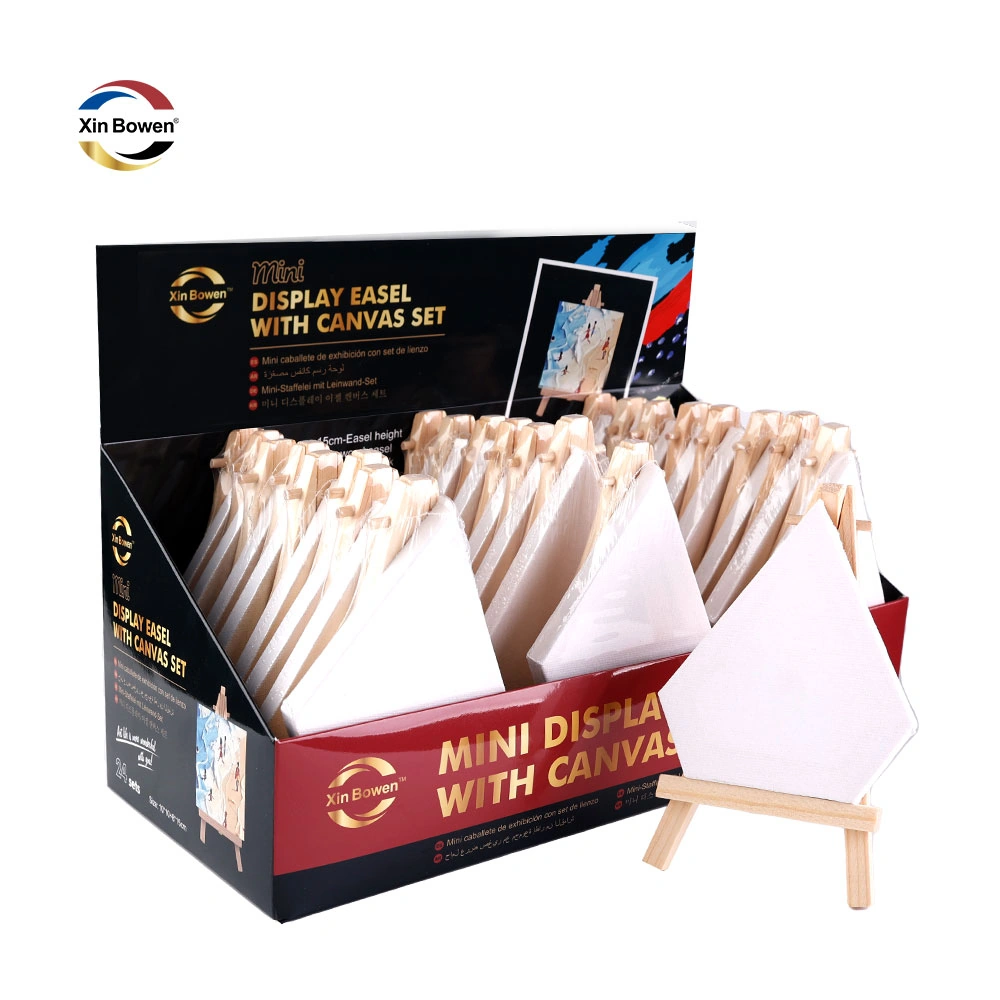
- Mini Canvaswith Easel: Perfect for educational kits or small-scale studies, these compact units maintain the same high-quality pine wood frame standards as our larger models.
- Customizable Frames: We offer robust pine wood frames that provide the stability required for long-term storage, ensuring that even large-format canvases remain warp-free in your warehouse.
Linking your supply line with a tailoring partner brings steady lines across goods.
Frequently Asked Questions (FAQ)
Q: What factors should I consider when choosing a supplier for bulk art materials?
A: For big buys, pick makers with full quality checks and open making steps. Seek firms that let you see goods anytime in production. They should also test strictly before shipping. A seller blending trade and field skills gives better talks. It also offers more bendy customized picks for your stock needs.
Q: How do I determine if a canvas or art product is high quality?
A: High-quality art products often carry international certifications such as CPC, EN71, or MSDS, indicating compliance with safety and quality standards. For canvases, check the weight (GSM) and the priming method; a quality canvas should have at least two layers of gesso to ensure good adhesion and prevent the paint from soaking into the fabric fibers.
Q: Which storage method is best for preventing damage to large inventories?
A: Vertical storage using a dedicated racking system is the most effective method for preventing damage in large inventories. This approach minimizes the pressure placed on individual units, prevents warping of frames, and allows for better air circulation compared to flat stacking, which can crush bottom units and trap moisture.
Q: What is the ideal humidity range for storing art supplies?
A: The ideal relative humidity for storing most art supplies, particularly canvases and papers, is between 40% and 50%. Keeping humidity within this range prevents organic materials from absorbing excess moisture, which can lead to mold growth, warping, and the degradation of sizing or priming agents on the canvas surface.
Q: How can I ensure the longevity of my paint inventory alongside my canvases?
A: To ensure the longevity of paint inventory, store it in a cool, dry place away from direct sunlight and extreme temperature fluctuations. High-quality pigments, when stored properly, can remain viable for several years; for example, reputable suppliers often guarantee their paint products for up to 3 years after leaving the factory, provided they are kept in appropriate conditions.