

When you paint on fabric, picking the correct paintbrush matters a lot for getting the results you want. This holds true whether you work on cotton, canvas, or sensitive materials like silk. The brush’s quality can greatly shape your artwork. In this blog, we will look at the various kinds of fabric paint brushes out there. We will also discuss how to pair them with particular textiles. Plus, we will share some useful tips from experts. On top of that, we will point out the benefits of Xin Bowen’s top-quality paint brushes. These are made just for fabric painting. This way, you can select the best option for your upcoming project.
What Are Fabric Paint Brushes?
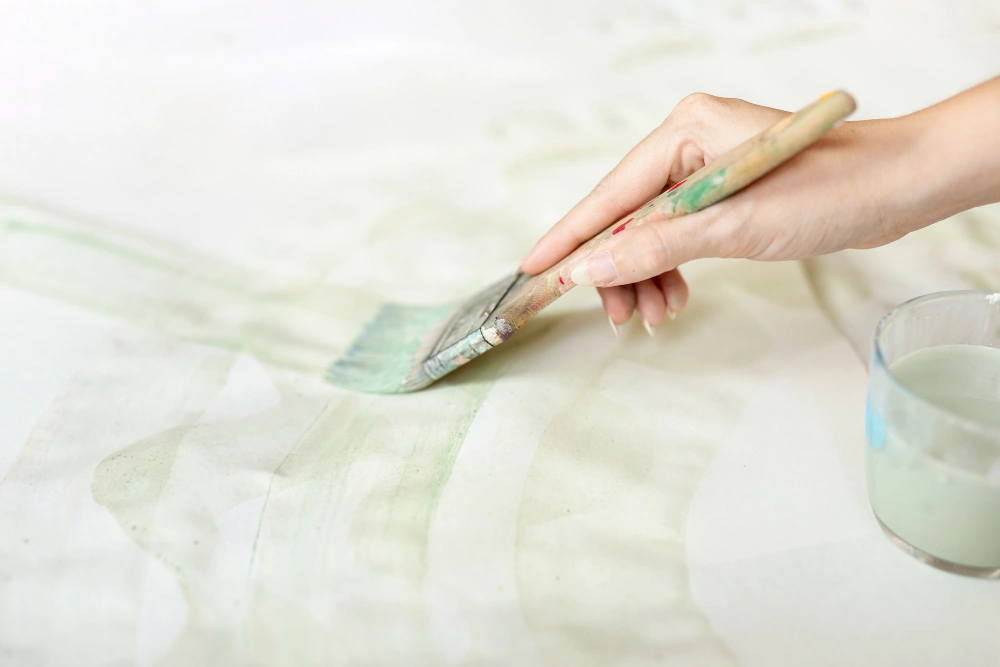
Fabric paint brushes serve as special tools built for applying paint to textiles. They differ from standard paint brushes. These brushes include features that fit fabric surfaces well. The bristles are made to help paint stick to the fabric. At the same time, they avoid harming or warping it. Good fabric paint brushes, like the ones from Xin Bowen, handle various fabric types. They provide an even application. They also deliver results that last a long time.
Why Proper Brush Selection Impacts Fabric Painting Results
Your choice of brush influences the final look of your fabric painting project. When you pick the suitable brush, the paint sticks right to the fabric. It spreads out smoothly. And it gives a neat finish. On the other hand, brushes with unsuitable bristles might make paint spread too much. The paint could dry in patches. Or it might spoil the fabric’s feel.
Fabric Paint Brushes vs Regular Brushes: Key Differences
Fabric paint brushes stand apart from everyday paint brushes in a few main ways. The biggest difference lies in the bristle material. Standard brushes often have rigid or rough bristles. Those suit surfaces like wood or canvas. But fabric paint brushes use gentler, more bendable bristles. These hold paint nicely. And they do not hurt sensitive fibers. What is more, fabric paint brushes work with both runny and thick paints. This ensures steady coverage and easy spreading. Regular brushes, however, focus on certain surfaces such as wood or canvas. For those, bendability and paint holding matter less.
Types of Fabric Paint Brushes
You can find many kinds of fabric paint brushes. Each one fits certain jobs. If you need sharp details, wide strokes, or rough effects, the proper brush can improve your fabric painting outcomes.
Round and Liner Brushes for Precise Detail Work
Round and liner brushes suit detailed patterns and thin lines on fabric. They feature sharp tips. This gives you accuracy for borders, tiny parts, or writing.
Flat and Shader Brushes for Smooth and Even Coverage
People often use flat brushes to put paint on big areas. They create a flat, uniform layer. These work great for starting layers or large sweeps. The Xin Bowen HB3430C-6 Flat Brush comes with mild but solid bristles. It handles covering wide spots on fabric, such as bags, aprons, or wall hangings made of cloth. The HB3430D Series Shader Brushes have a small slant. This makes them suitable for adding shade and mixing. They let you shift colors and feels step by step.
Specialty Brushes for Texture and Creative Effects
Special brushes like fan types, cat’s tongue styles, or mop kinds play a key role in making textures and special looks on fabric. These tools help artists form complex designs or natural feels. Examples include fur, hair, or leaves.
Matching Brushes with Different Fabric Types
Brush-to-textile match table
Why this matters commercially. Fabric paint brushes are one of the few brush categories where a single order usually mixes bristle types. A wholesale buyer stocking an art-materials range will normally take a flat and shader set for soft textiles alongside a bristle set for heavy fabric, because the end customer buys by project, not by bristle. That is also why an acrylic paint brush sets program is easier to sell when the packaging states the textile it targets.
What to ask a supplier. Confirm three things before you place a fabric-brush order: the bristle material and its claimed stiffness, whether the ferrule is aluminium or plated steel, and whether the handle is lacquered birch or plastic. These three decide how the brush behaves on a dense textile and how long it survives solvent and water cleanup.
Paperwork ships with the goods. MSDS documentation under UN GHS Rev.7 and US OSHA 29 CFR 1910.1200 exists for the paint, sketching-tool and soft-pastel lines; soft pastel additionally holds an ASTM D-4236 review against US CPSC 16 CFR §1500.14(b)(8); and CPC and EN71 certificates sit behind the lines that require them. If your importer wants the report number rather than a badge on a catalogue page, say so in the enquiry and we will send the PDFs with the quotation.
Two decades of doing this under one name is the reason the documentation is already in a folder rather than in someone’s memory: the Xin Bowen brand is 20 years old, and the factory making these brushes has been in Yiwu since 1988.
Selecting the best brush for your fabric is vital. It helps paint stick well and finish neatly. Various fabrics call for different brushes to get the top results. The tips below will guide you in picking the right brush for your fabric.
Best Brushes for Lightweight Fabrics (Silk, Cotton)
Light fabrics such as silk or cotton need brushes with a light touch. Yet they must offer good handling. Nylon brushes fit these well. They provide softness and bend. This makes them reliable choices.
Ideal Brushes for Medium-weight Fabrics (Denim, Canvas)
Fabrics with medium thickness, like denim or canvas, demand brushes that feel a bit stronger. They manage the denser weave of the material. Flat or shader brushes suit these fabrics. They give even coverage. And they avoid lines or marks.
Strong Brushes for Heavy-duty Fabrics
Thick fabrics, such as upholstery or heavy canvas, need tougher brushes. These push paint into the material without hurting the threads. The Xin Bowen HB3433D Series of bristle brushes fit these tasks perfectly. Their bristles stay firm to deal with the dense feel of heavy fabrics. But they remain flexible enough to spread paint uniformly. Such brushes work well for big jobs. Think of custom seating covers or canvas pieces. There, you need strong coverage.
Fabric Painting Techniques and Tips
To get the finest outcomes with fabric paint, you must use the right painting methods. Here are some practical suggestions and approaches. They will make your fabric painting easier and more successful.
How to Prepare Fabric for Painting
Getting your fabric ready before you paint is key. It helps the paint stick strongly and stay put longer. First, wash the fabric. This removes dirt, grease, or coatings that could block the paint from attaching. After the fabric dries, press it with an iron. This smooths out any folds. Thus, you get a flat surface for painting.
Effective Layering and Blending Techniques
Building layers and mixing colors form core skills in fabric painting. They help create depth and realness in your patterns. Begin with a base layer on the fabric. Use a flat or shader brush for this. Wait for that first layer to dry. Then, switch to smaller brushes. Add shadows, bright spots, or fine touches. For mixing, put on the paint softly. Next, take a fresh brush to blend the borders. This method shines when you make color fades or stacked designs. It brings smoothness and flow to your work.
How to Heat-set Painted Fabric for Durability
Once you finish painting on fabric, heat-setting the paint is important. It makes the design tough and able to handle washing. Set your iron to the right heat for the fabric. Cover the painted spot with baking paper. Then, hold the iron down for 3 to 5 minutes. The time depends on the fabric. This process bonds the paint to the threads. As a result, it won’t lose color or come off with time.
Xin Bowen: Your Trusted Supplier for Fabric Paint Brushes
Xin Bowen focuses on supplying fine fabric paint brushes. These meet the varied demands of artists, makers, and casual users. Our paintbrushes get shaped with care. They ensure sharp work, steady grip, and lasting use. This makes them great for all fabric painting tasks. From tiny crafts to major creations, they fit well.
Xin Bowen’s Range of High-Quality Fabric Paint Brushes
We provide a broad selection of brushes. They match different fabrics and methods. Our Nylon+AL+Birch Wood Brushes create clean, level strokes on light fabrics like cotton and silk. Meanwhile, our Bristle Brushes handle tough fabrics such as denim and canvas. We use fine materials and skilled craftsmanship. This guarantees each brush performs reliably. And it offers outcomes that endure.
Why Xin Bowen Brushes Are the Best Choice for Artists
Xin Bowen brushes last long. They also soak up and spread paint well. We have choices from small detail tools to bigger, sturdier ones. This serves both skilled artists and newcomers. Further, we provide customized options for big projects or special needs. Our focus on quality and happy customers sets Xin Bowen apart. We stand as a reliable source for fabric paint brushes. Every task gets the tools it needs to thrive.
Frequently Asked Questions (FAQ)
Q: What is the best brush for acrylic fabric paint?
A: Flat or round brushes with synthetic nylon bristles work best for acrylic fabric paint. They give solid control. And they handle the dense texture of acrylic paint nicely.
Q: Can I use the same brush for different types of fabrics?
A: You can use one brush across various fabrics. However, it pays to select a brush that matches the fabric’s weave. Softer ones suit fine materials like silk. Stiffer bristle types fit heavy ones like denim.
Q: How should I clean and maintain fabric paint brushes?
A: Wash fabric paint brushes right after you use them. Use warm water and gentle soap. Shape the bristles softly. Then, let the brush dry fully before you store it.
Q: How does brush choice affect paint durability on fabric?
A: A good brush spreads paint evenly. This boosts how long the design holds up. Brushes with proper firmness and soak-up help paint stick tight. Thus, your art stays strong over time.
Q: Are synthetic brushes good for fabric painting?
A: Yes, synthetic brushes like nylon ones excel in fabric painting. They bend well, hold up strong, and clean easily. They pair nicely with acrylic and watercolor paints on fabric.